Equities are still the market’s preferred risk asset, but the latest price action shows investors are no longer getting paid much to own them versus safer alternatives.
SPY Holds Above 50-Day as Bonds Gain Demand

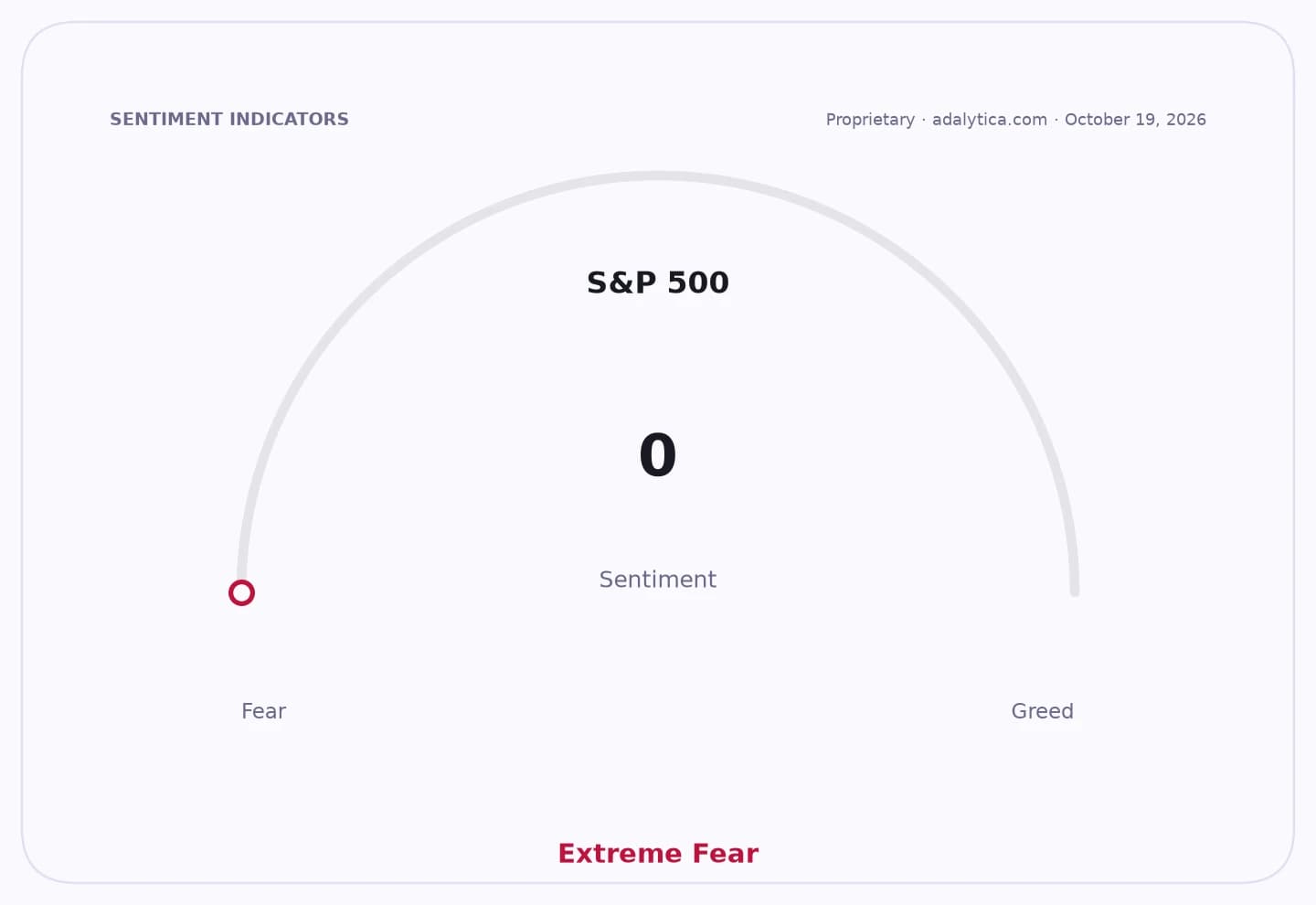
The S&P 500 proxy SPY closed at 773.54 on Oct. 21, just above its 50-day moving average of 767.36 and far above the 200-day average of 723.24, but the rally has lost momentum. SPY’s relative strength index was 58.7, no longer overbought but still elevated enough to suggest the market is not cheap, while the MACD remains positive but below its signal line, a sign of fading upside drive. At the same time, Adalytica’s S&P 500 trade signal shows “Extreme Fear” sentiment even as awareness remains neutral, underscoring that investors are still nervous despite the index holding near record territory.
Sentiment IndicatorsⓘProprietary · adalytica.com · October 21, 2026
This is a snapshot — live sentiment, awareness and momentum for 130+ markets update continuously in the dashboard.Open AlphaPulse

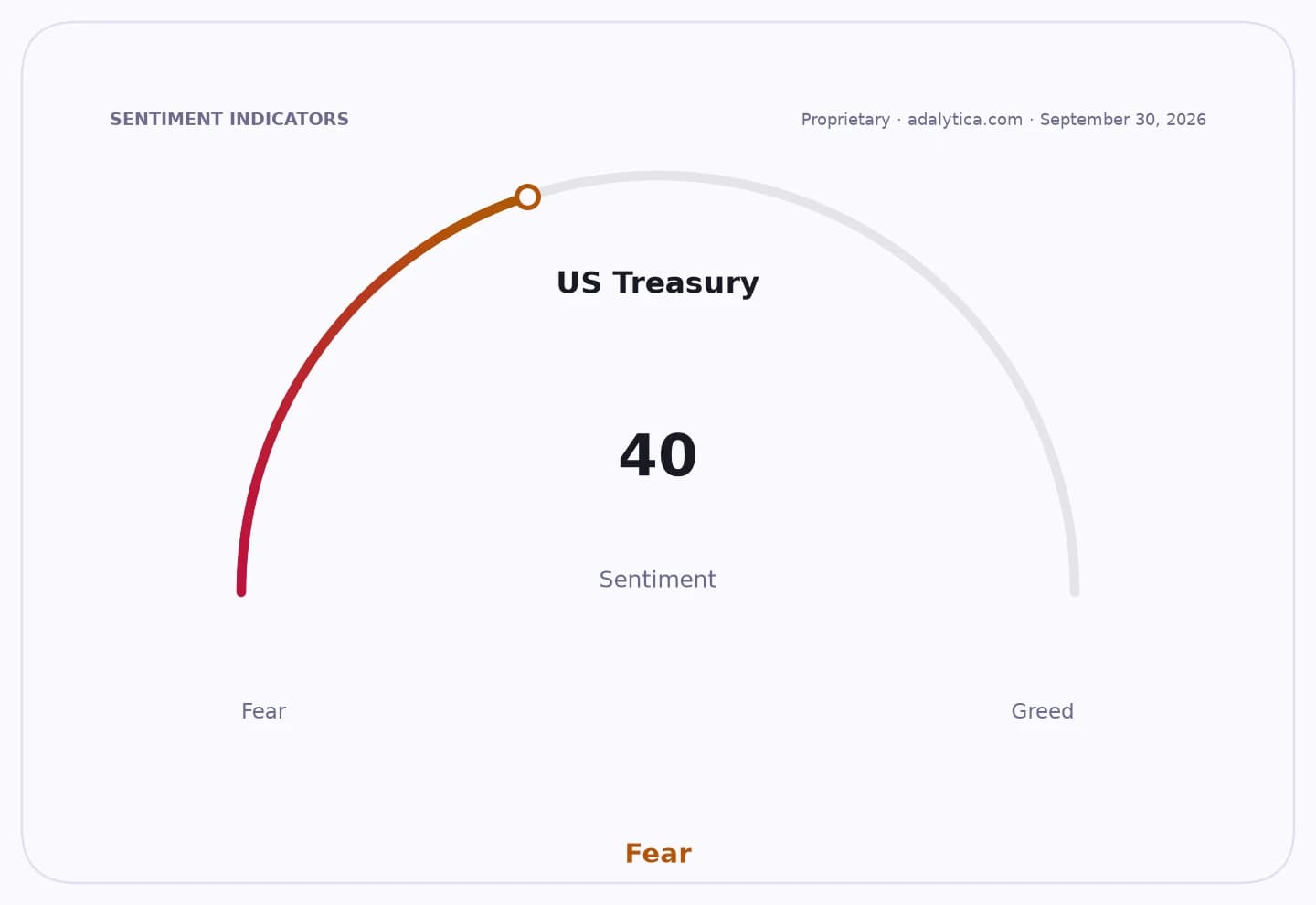
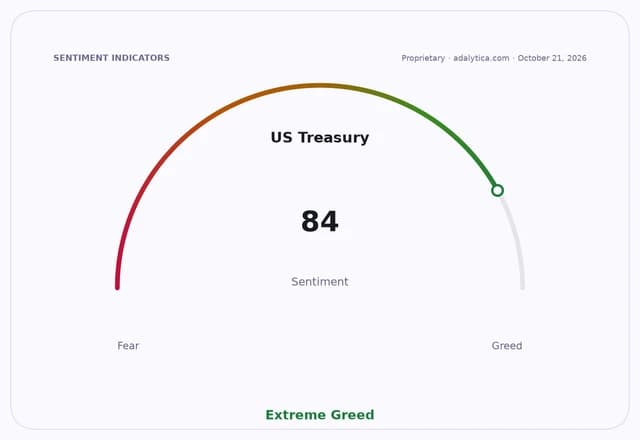
That tension is the core of the story: stocks are not obviously broken, but they are no longer the only risky asset in the room. Treasury bonds, measured by TLT, have firmed to 80.29 after recovering from a September low, with the fund now trading back above its 50-day average of 80.27 and close to its upper recent range. Adalytica’s Treasury-bond signal is in “Greed” territory at 84, suggesting demand for duration has improved even as cash-rich investors remain cautious. Gold, meanwhile, has been a volatile refuge: GLD at 378.74 is still below both its 50-day average of 395.87 and its 200-day average of 414.64, but the metal has stabilized after a sharp spring drawdown, keeping it in the conversation as a portfolio hedge.
For investors, the implication is less about a clean rotation out of stocks and more about a tighter trade-off across asset classes. With SPY only modestly above its 50-day average and sentiment still showing fear, the market is pricing growth optimism without much margin for disappointment. That makes valuations more vulnerable if earnings fail to justify the index’s climb, especially after a summer surge that pushed SPY as high as 744.40 before a deeper pullback and partial recovery.
The bond bid matters economically because it suggests demand for safety is not being met by equity ownership alone. If Treasury exposure is drawing flows while stocks are still near highs, that usually reflects lingering concern over growth, policy, inflation or earnings durability. The dollar signal is neutral, adding to the picture of a market that has not settled on a single macro direction. In practical terms, investors are being asked to choose between modest equity upside, limited bond yield risk, and gold as insurance against policy or geopolitical shocks.
The bull case for stocks is that the S&P 500 continues to hold above its long-term trend and the 200-day moving average remains rising, a sign the broader uptrend is intact. The bear case is that the market’s technical and sentiment backdrop is weakening just as alternatives regain appeal, leaving little cushion if growth softens or rates stay restrictive. For now, the message is not that investors have abandoned equities, but that capital is becoming more discriminating — and that makes all assets, not just stocks, look expensive in their own way.
| Entity | Gains | Losses |
|---|---|---|
| SPY / Stocks | ▲Holds long-term uptrend | ▼Faces weaker momentum and fear |
| TLT / Treasuries | ▲Gains defensive demand | ▼Still below 200-day average |
| GLD / Gold | ▲Benefits from hedging interest | ▼Lacks decisive breakout |
| Cash / Alternatives | ▲More attractive relative to risk assets | ▼Gives up equity upside |