The International Monetary Fund has warned Sri Lanka’s policymakers to stand ready to tighten monetary policy if the Middle East war feeds broader inflation, a message that matters because the country is still trying to protect a fragile recovery while keeping price expectations anchored.
Sri Lanka IMF Warns on Inflation Risk

The IMF’s warning is conditional, not an immediate call for higher rates, but it draws a clear line between a one-off jump in fuel or imported costs and a more damaging second-round inflation shock that spreads through wages, pricing and household behavior. That distinction is critical for Sri Lanka, where headline inflation was 8% in September and where the central bank is still balancing growth support against the risk that external shocks revive entrenched price pressures.
Sentiment IndicatorsⓘProprietary · adalytica.com · October 7, 2026
This is a snapshot — live sentiment, awareness and momentum for 130+ markets update continuously in the dashboard.Open AlphaPulse
For investors, the message suggests policy easing in Sri Lanka may be limited if the conflict pushes up transport, energy or food costs in a way that broadens inflation. Tighter policy would raise borrowing costs for businesses and consumers, tempering credit growth and potentially weighing on firms dependent on working capital financing. It also raises the hurdle for domestic demand to recover cleanly after a prolonged period of macroeconomic stress.
The IMF’s comments came alongside the seventh-review staff-level agreement, underscoring that macro stability remains the key condition for Sri Lanka’s reform path. The fund said its concern is not simply inflation at 8%, but the risk that war-related price shocks could become embedded in expectations, forcing the central bank to respond to prevent a loss of credibility. That is the same dynamic that has troubled emerging markets after commodity shocks in the past: once households and businesses start assuming higher inflation, the cost of restoring stability rises sharply.
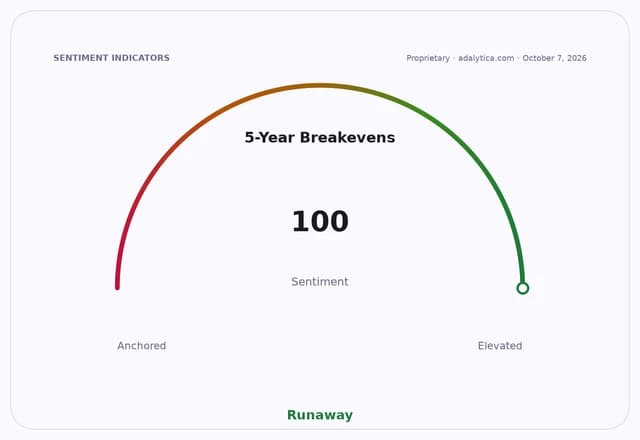
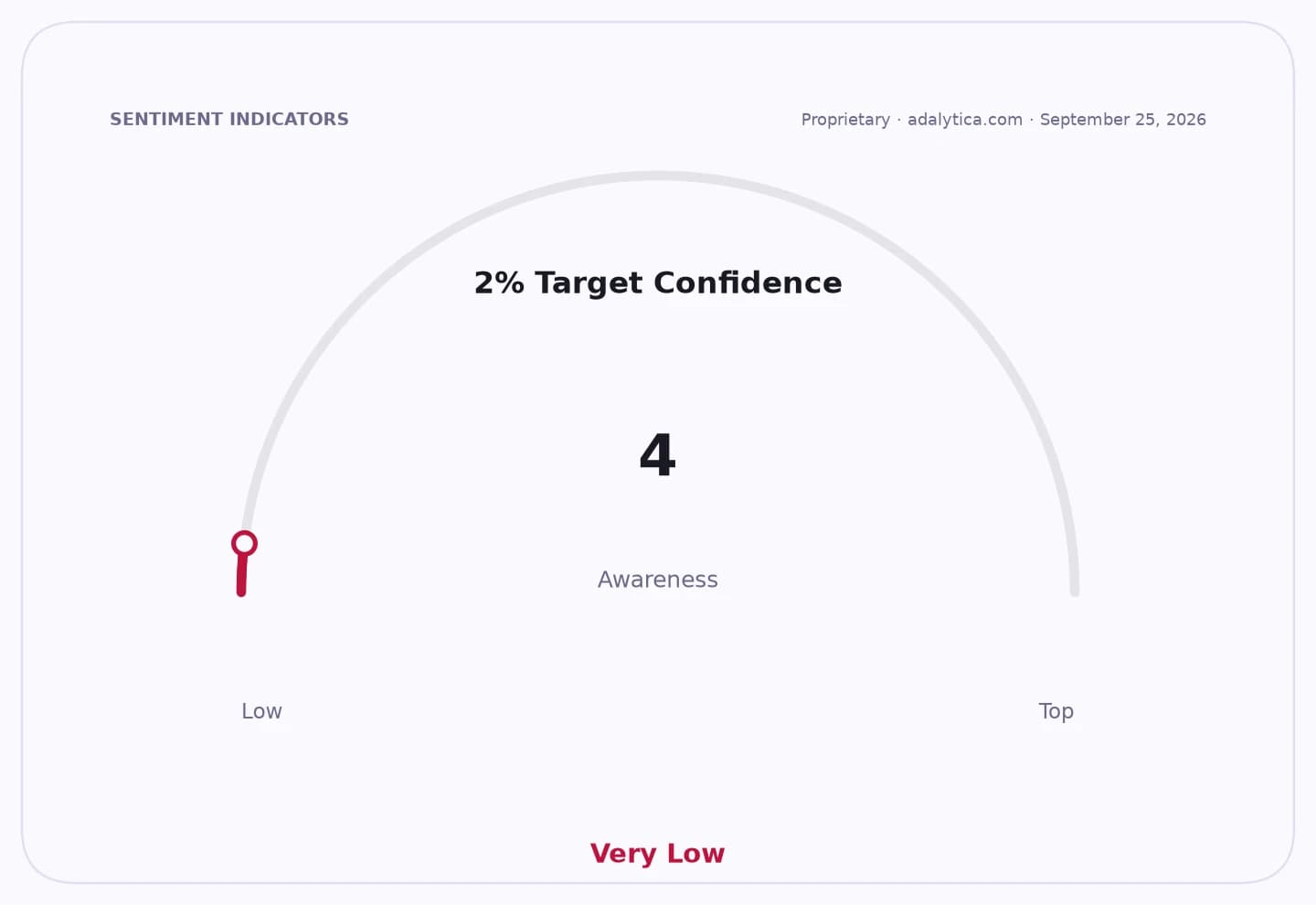
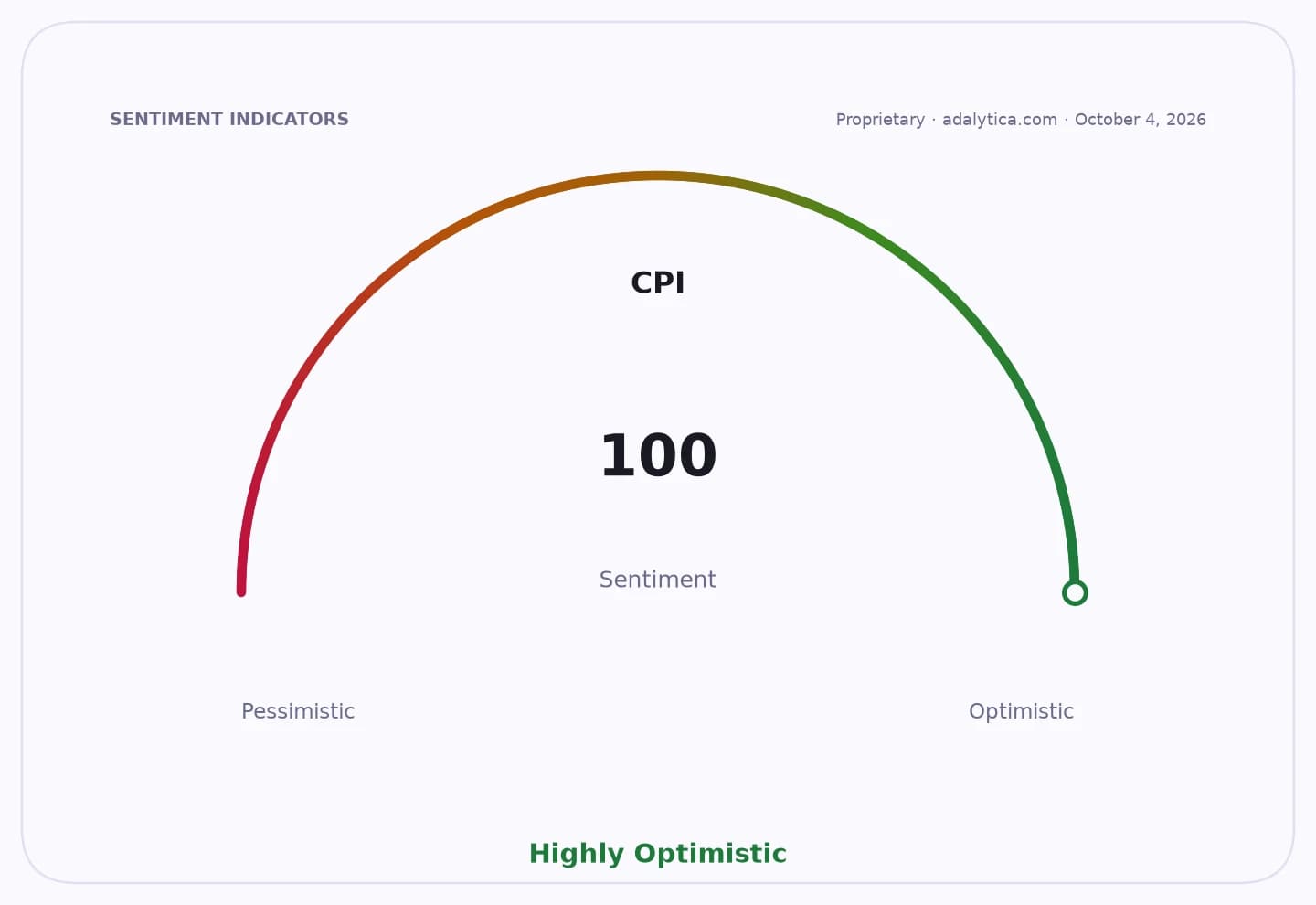
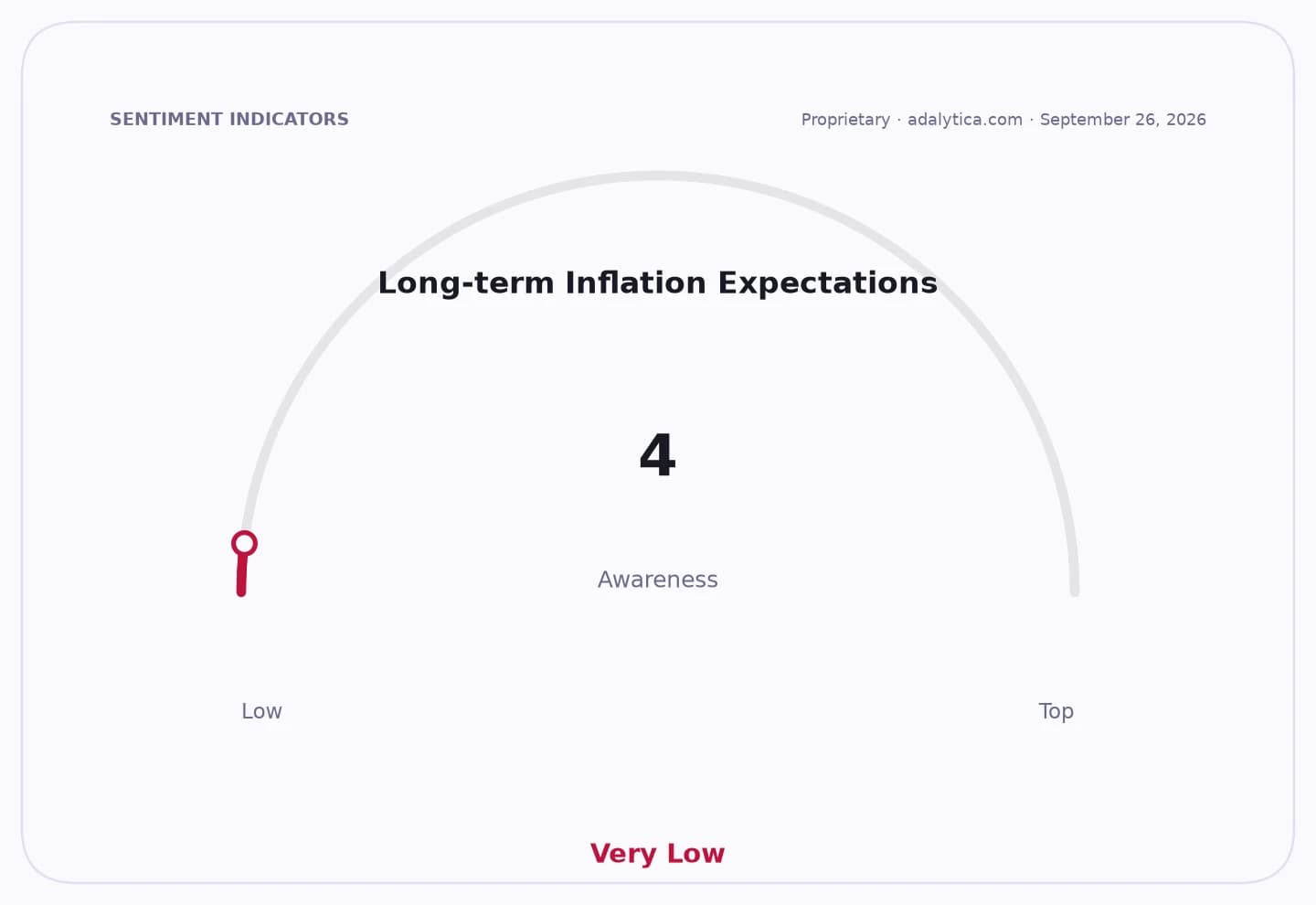
Market signals are consistent with that caution. Adalytica’s measures show confidence in the Federal Reserve’s 2% inflation target, five-year breakeven inflation sentiment and long-term inflation expectations all at “Extreme Greed,” while wage inflation sentiment has also surged, suggesting investors are already sensitive to the prospect of stickier price pressure. Conventional market gauges point in a similar direction: long-duration Treasuries remain under pressure, with the iShares 20+ Year Treasury Bond ETF, TLT, trading well below its 50-day and 200-day moving averages and its relative strength index deep in oversold territory. Gold, by contrast, has remained resilient even after a pullback, reflecting hedging demand when geopolitics and inflation worries overlap.
For Sri Lanka, the bull case is that the IMF’s warning proves precautionary and that external price shocks fade before they contaminate core inflation or wages. The bear case is that the war keeps energy and freight costs elevated long enough to force tighter policy just as the economy is trying to regain momentum. That would tighten financial conditions, slow credit transmission and complicate debt-servicing and investment plans.
The next test is whether imported inflation stays contained or starts to feed into domestic prices more broadly. If it does, the IMF has made clear that Sri Lanka’s central bank should not hesitate to tighten, even at the cost of a slower recovery.
| Entity | Gains | Losses |
|---|---|---|
| Sri Lanka policymakers | ▲Policy credibility | ▼Growth support |
| IMF / reform program | ▲Inflation discipline | ▼Easier policy stance |
| Banks and savers | ▲Higher rates on deposits | ▼Loan demand |
| Borrowers and importers | ▲Stable prices | ▼Higher financing costs |