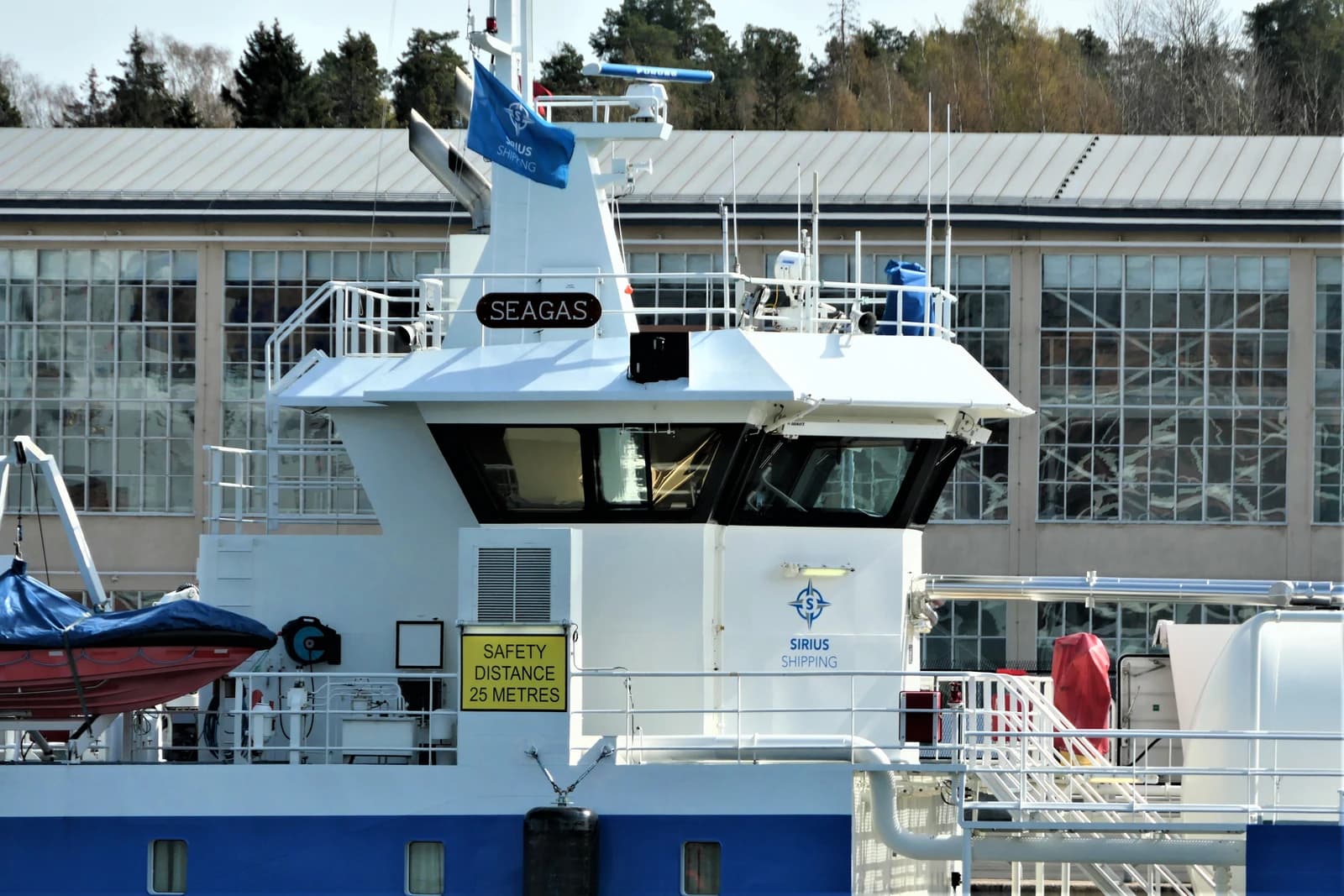
The Stade LNG terminal is scheduled to begin operations in September, adding new import capacity at a time when liquefied natural gas markets remain exposed to geopolitical disruptions and Europe is still trying to secure winter supply.
Stade LNG Terminal Set to Start in September

The startup matters because LNG infrastructure has become a pressure point in the gas trade. With QatarEnergy extending delivery cancellations through November amid tensions around the Strait of Hormuz, and broader supply chains under strain, every new terminal or delay can shift pricing, shipping routes and bargaining power for buyers across Europe and Asia.
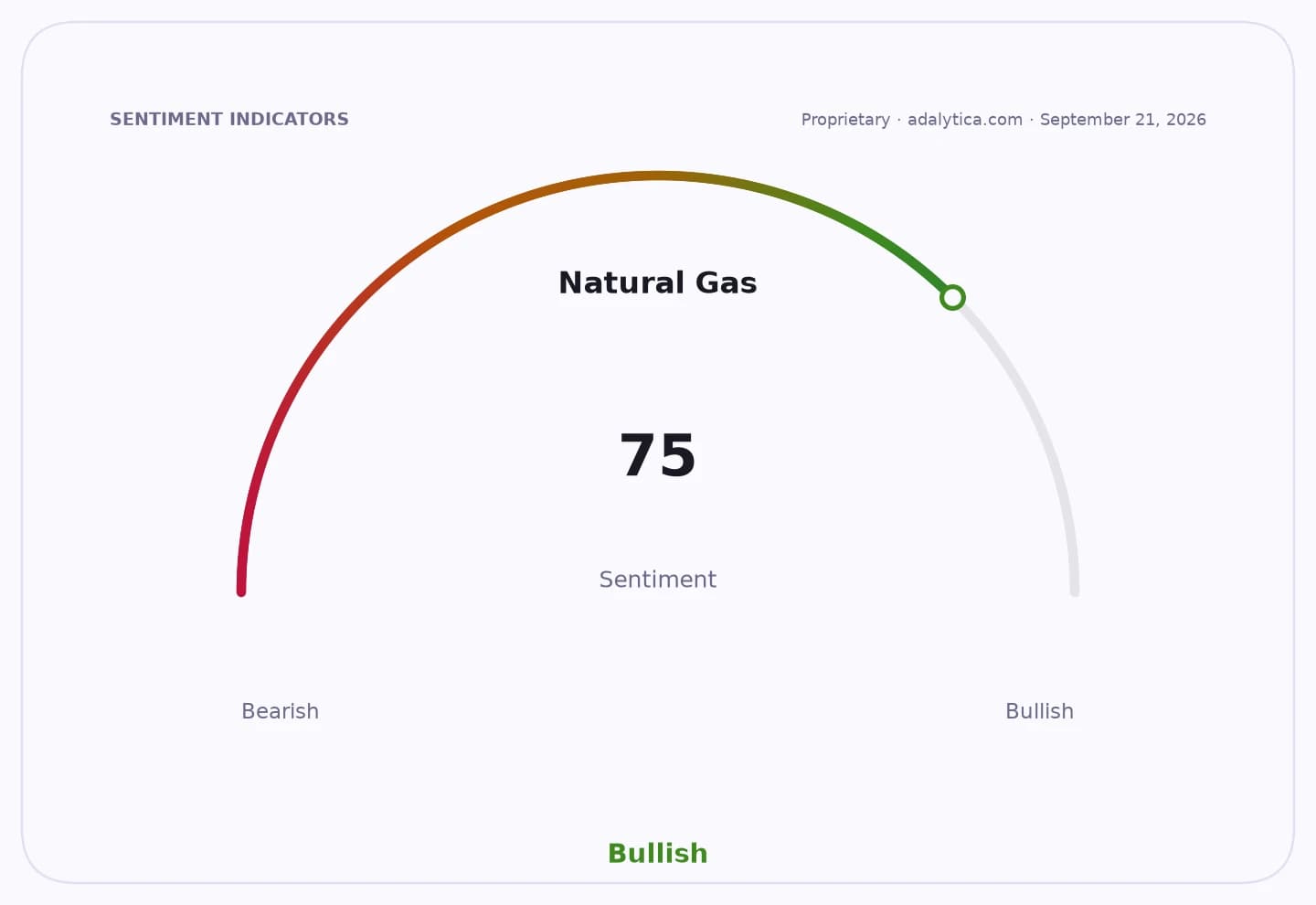
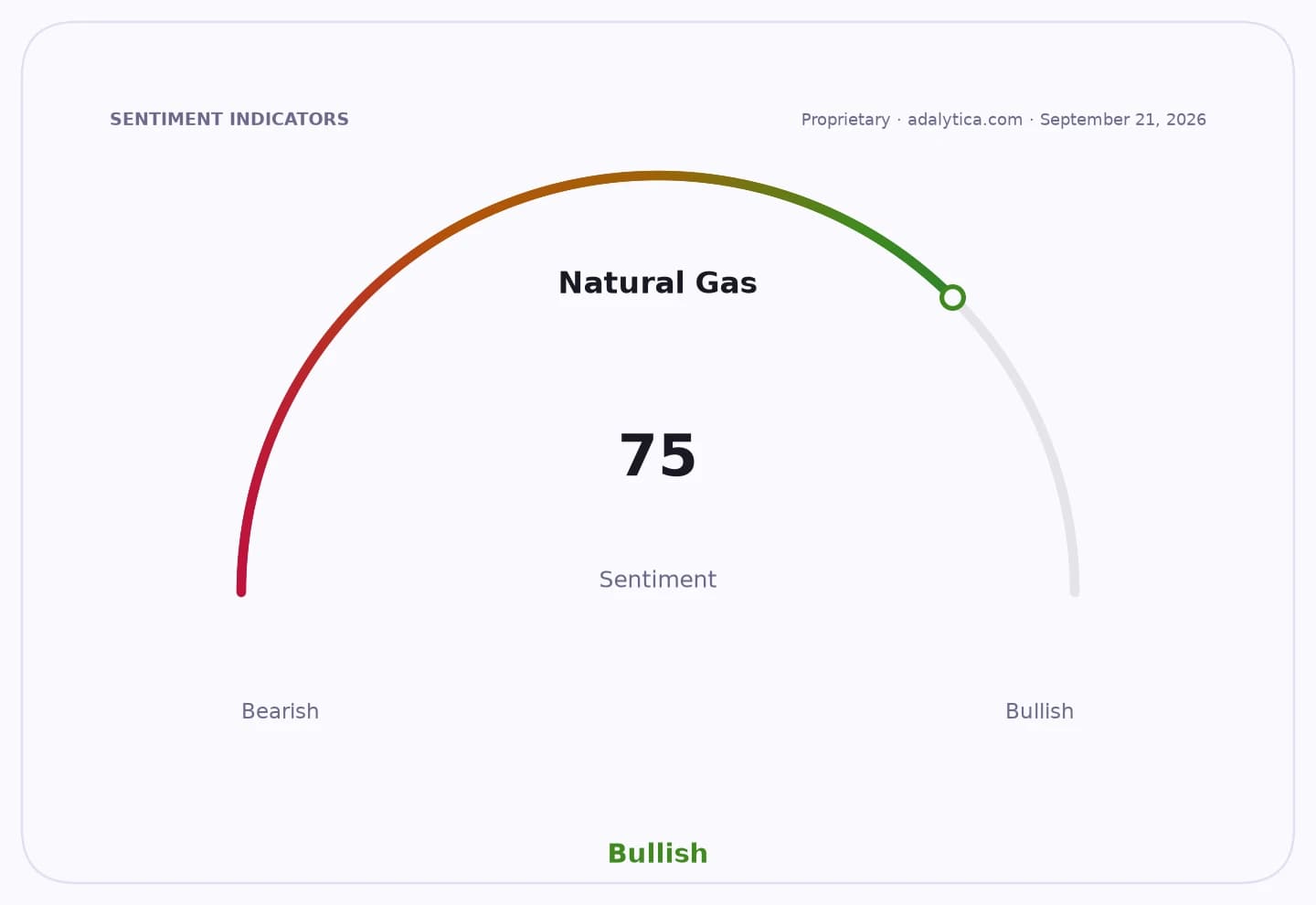
Sentiment IndicatorsⓘProprietary · adalytica.com · September 6, 2026
This is a snapshot — live sentiment, awareness and momentum for 130+ markets update continuously in the dashboard.Open AlphaPulse
For investors, the start of operations is a direct read-through for the LNG shipping and terminal ecosystem, as well as for producers selling into a tighter market. Gas carriers and terminal operators can benefit from steadier throughput and improved utilization, while consumers and utilities face less room to lean on spot cargoes if supply remains constrained.
The development also lands in a market already showing stress. Adalytica’s natural gas trade signals show fear at 24, with sentiment down 67% over the past 30 days, underscoring how quickly the market has turned more defensive even as awareness remains elevated.
Natural Gas vs STNGadalytica.com
Explore this data interactively — full history, time series and cross-market comparisons.Open AlphaPulse
Shares of STENG-linked shipping and LNG names have reflected that tension. Star Bulk’s ticker context was not provided, but Stena-linked LNG exposure aside, the listed carrier STNG has been volatile, with shares recently climbing to $82.35 from $74.85 in late August, while DLNG has slipped to $3.66 from $3.76 over the same period, suggesting investors are still sorting winners from losers in the gas transport trade.
The key next catalyst is whether Stade ramps on schedule and whether more cargo cancellations or shipping disruptions follow into the heating season. If they do, Europe’s gas pricing, LNG freight rates and terminal utilization could tighten further.
| Entity | Gains | Losses |
|---|---|---|
| Stade LNG terminal operator | ▲New import capacity | ▼Startup risk if delayed |
| European gas buyers | ▲More supply optionality | ▼Less leverage if disruptions persist |
| LNG shippers | ▲Higher cargo movement | ▼Volatility in route availability |
| Spot LNG sellers | ▲Stronger pricing power | ▼Buyers seeking cheaper alternatives |