Starknet is asking token holders to back research into a possible break from Ethereum, and the real issue is not governance theater — it is who gets to control the pace of post-quantum security in crypto.
Starknet Vote on Ethereum Break and Quantum Security
The Ethereum layer-2 network on Thursday opened a seven-day, non-binding vote on whether to explore becoming an independent, post-quantum layer-1 blockchain. For long-term investors in digital assets, the significance is bigger than Starknet itself: it is another sign that quantum risk is moving from theory to roadmap, and that networks tied to slower-moving base layers may start reconsidering their dependence.
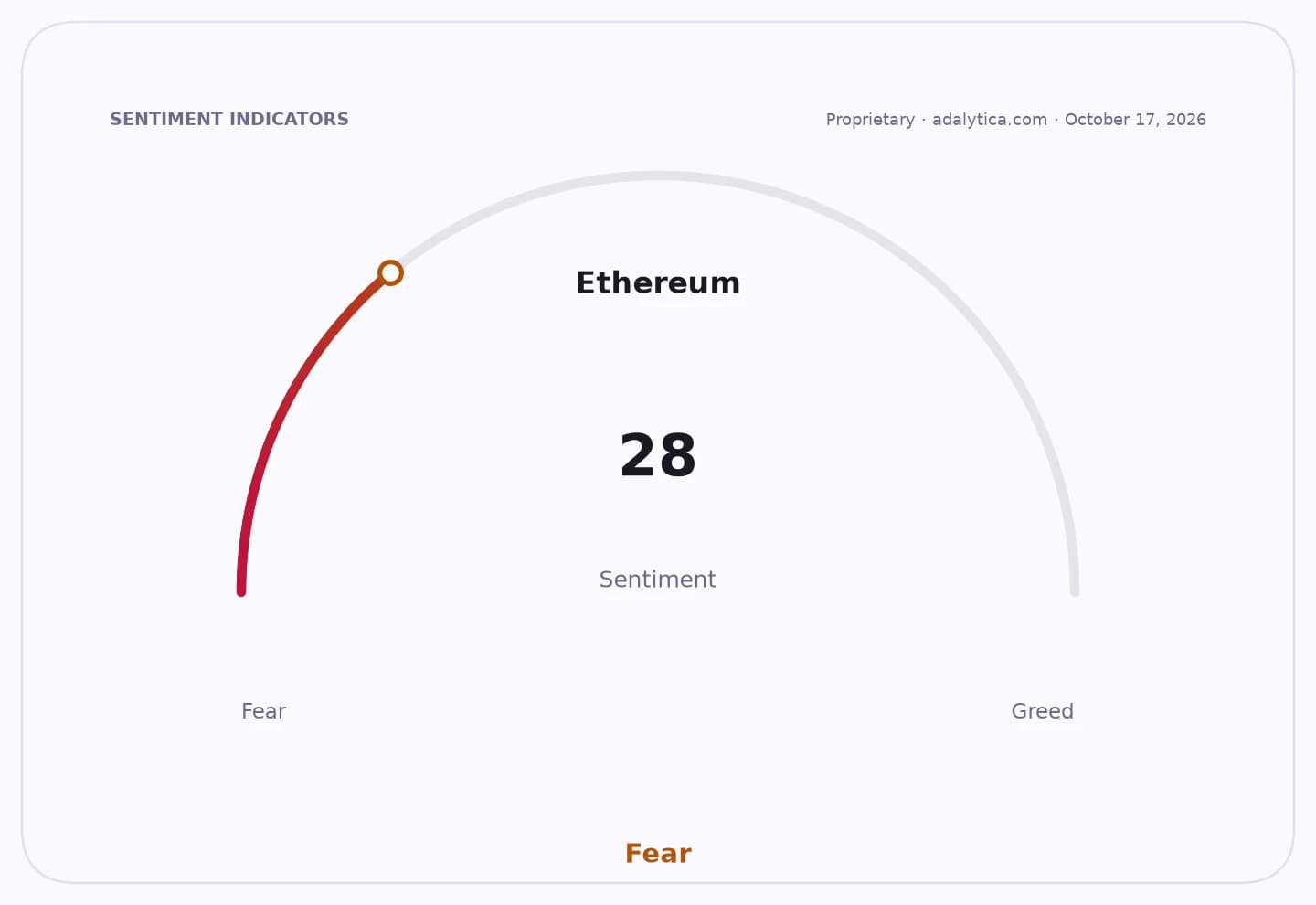
Sentiment IndicatorsⓘProprietary · adalytica.com · October 17, 2026
This is a snapshot — live sentiment, awareness and momentum for 130+ markets update continuously in the dashboard.Open AlphaPulse
A “yes” vote would only authorize further research, not an actual migration. Even so, the proposal is notable because StarkWare, Starknet’s developer, is openly arguing that the network can move faster on quantum-resistant security if it is no longer waiting on Ethereum’s upgrade calendar. Starknet still relies on Ethereum for critical infrastructure, including its bridge and data availability, which StarkWare says remain exposed to quantum-security dependencies.
That tension matters because crypto’s value proposition rests on trust in the underlying code. If users begin to believe some blockchains can harden faster than others, capital will flow toward the projects that look better prepared for the next decade, not just the next cycle. In a market where narratives often outrun fundamentals, security is one of the few things that can become a real competitive advantage.
StarkWare has already laid out a three-phase quantum-resistance roadmap, covering signature upgrades, smart-contract migration and Ethereum-dependent infrastructure. The company has said it wants Starknet to become the first fully quantum-resistant network by 2027. Ethereum developers, by contrast, have said a dedicated post-quantum team is aiming for initial protocol-level protections by 2029.
That timing gap is the heart of the story. If quantum computing advances faster than expected, the winners will be networks that can modernize without waiting for broad ecosystem consensus. If the threat arrives later than feared, Starknet may have simply accelerated a strategic debate that was coming anyway. Either way, the vote puts pressure on Ethereum’s brand as the default settlement layer for the crypto economy.
Investors should also read this as a reminder that blockchain competition is no longer just about speed, fees or developer activity. Security architecture is becoming part of the investment case. That can matter for valuation because projects seen as technologically adaptable tend to keep users, attract builders and preserve relevance longer than those that look stuck defending yesterday’s design.
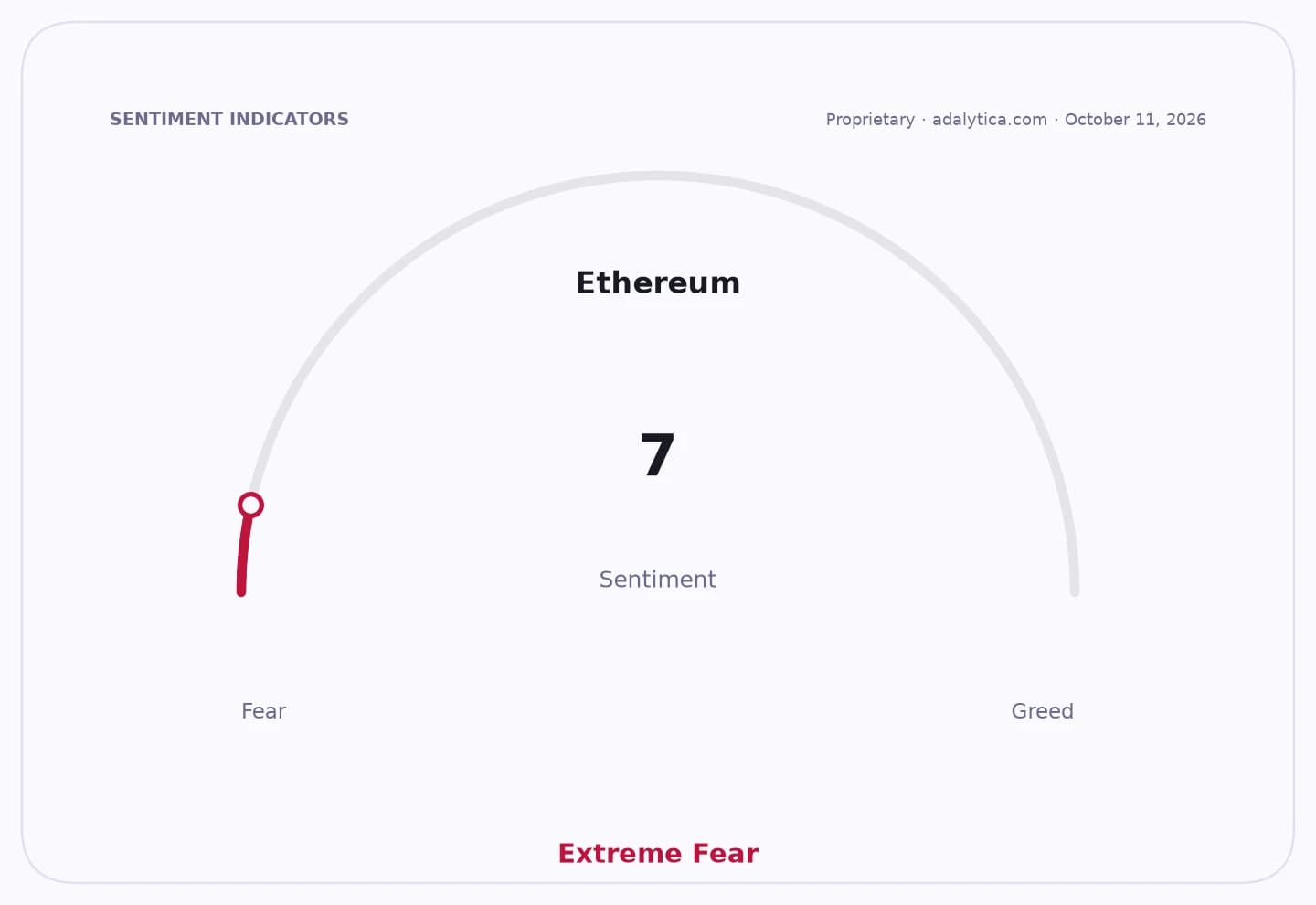
The market backdrop also shows how quickly this conversation is gaining attention. Quantum-related stocks have already been volatile as investors reassess the timeline for practical quantum computing, while crypto sentiment has remained cautious even as prices stabilize. In that environment, any project that can credibly position itself as “quantum ready” may earn a premium from both users and speculators.
For now, investors should treat Starknet’s vote as an early-stage strategic signal rather than a near-term restructuring event. But the bigger takeaway is durable: in crypto, the networks that survive the next decade will likely be the ones that prepare for threats before they become obvious. For long-term holders, that makes Starknet worth watching — and Ethereum’s post-quantum pace even more important.
| Entity | Gains | Losses |
|---|---|---|
| Starknet | ▲Strategic flexibility | ▼Dependence on Ethereum |
| Ethereum | ▲Ecosystem stability | ▼Pressure on upgrade pace |
| STRK holders | ▲More optionality | ▼Governance uncertainty |
| Quantum-resistant rivals | ▲Narrative momentum | ▼Slower competitors |