Sterling’s next move may be driven less by domestic UK optimism than by a weakening dollar, after Rabobank projected GBP/USD at 1.32 and EUR/GBP at 0.8650, a view that implies the pound can hold firm even without a sharp improvement in Britain’s own fundamentals.
Sterling Supported by Weak Dollar, Not UK Strength

The call matters because it frames the pound as a relative-value trade rather than a pure UK growth bet. A GBP/USD target of 1.32 is below recent levels around 1.33-1.34, while an EUR/GBP forecast of 0.8650 suggests sterling should remain stronger than the euro on a cross basis. Taken together, the forecast signals that foreign-exchange positioning is increasingly being shaped by broad dollar softness, euro-zone relative uncertainty and the market’s own crowded views on central banks, rather than by a decisive re-rating of the UK economy.
Sentiment IndicatorsⓘProprietary · adalytica.com · July 25, 2026
This is a snapshot — live sentiment, awareness and momentum for 130+ markets update continuously in the dashboard.Open AlphaPulse

That backdrop is already visible in price action. GBP/USD has drifted lower from 1.36 in mid-August to 1.33 in late July’s latest reading, while technical indicators show the pair hovering near its 50-day and 200-day moving averages at 1.34-1.35, with RSI readings sliding from overbought territory to the high-40s. The move suggests momentum has cooled, but not yet broken. In other words, the pound is consolidating rather than capitulating, leaving room for a lower dollar-driven equilibrium if US data or Federal Reserve expectations turn less supportive of the greenback.
The euro-sterling cross tells a similar story. EUR/GBP is pinned around 0.85, below its 50-day moving average of 0.86 and under the 200-day at 0.87, implying sterling has been outperforming the euro even as broad G10 FX momentum has faded. That relative strength is important for UK importers and multinational investors because it keeps the sterling trade-weighted picture more balanced than the headline GBP/USD rate suggests. It also means a weaker dollar does not automatically translate into broad-based sterling weakness versus Europe.
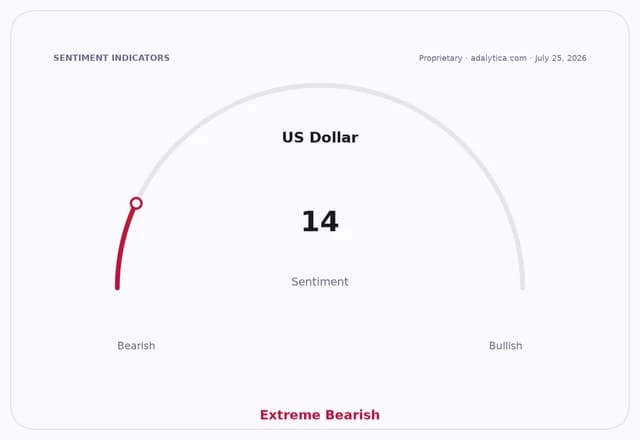
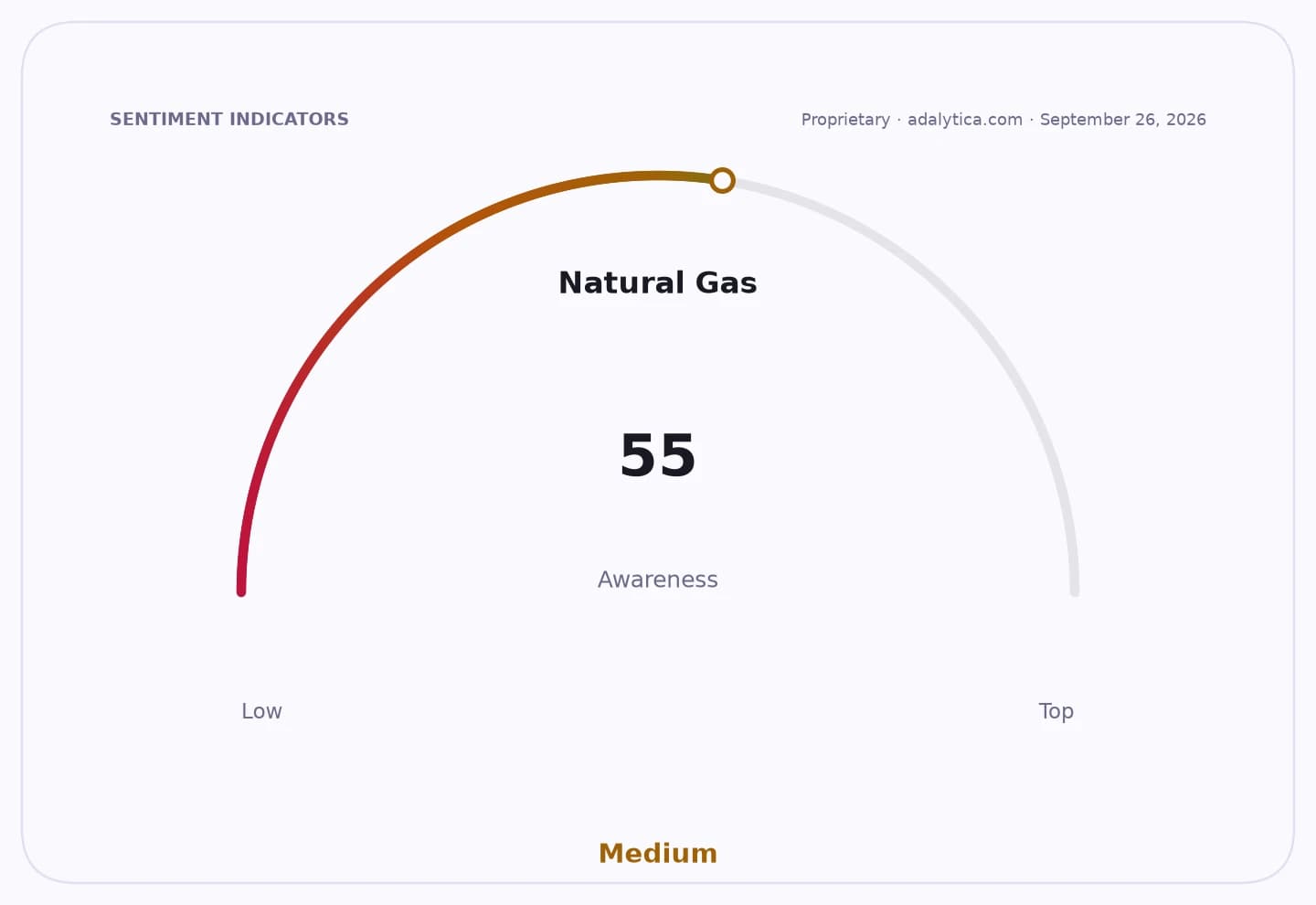
Adalytica’s trade signals show the market mood is still divided. GBP sentiment is neutral at 67, while awareness remains in “extreme fear,” a combination that typically points to uncertainty rather than conviction. The US dollar, by contrast, shows “extreme fear” sentiment at 14, reinforcing the view that the dollar rather than the pound is currently the more vulnerable leg of the trade. The euro’s signal is neutral, but elevated awareness suggests investors are still focused on policy and growth differentials across the Atlantic.
For investors, Rabobank’s forecast is a reminder that sterling’s path may depend more on the dollar’s downside than on any outright UK upside. That is bullish for UK assets only if the pound’s gains are orderly and driven by external USD weakness, because a disorderly dollar selloff could drag on risk appetite globally. It is also a warning for those betting on the euro to recover against sterling: unless the UK growth or rate outlook deteriorates sharply, EUR/GBP may remain capped.
The next catalyst will be whether US macro data and Federal Reserve guidance continue to soften the dollar narrative, or whether the market re-prices rate differentials back in favour of the greenback. For now, Rabobank’s call suggests sterling is not in a breakout phase so much as a cross-current: vulnerable against the dollar, but still relatively well supported against the euro.
| Entity | Gains | Losses |
|---|---|---|
| Sterling vs USD bears | ▲Relative support from weaker dollar | ▼Downside if US data rebounds |
| Sterling vs euro | ▲Cross-rate resilience | ▼Relief trade if UK outlook worsens |
| UK importers | ▲Cheaper euro costs | ▼Higher dollar-priced import risk |
| US dollar | ▲Loss of safe-haven bid | ▼Pressure from softer Fed expectations |