Consumers shouldn’t expect broad price declines anytime soon, Conference Board Chief Economist Dana M. Peterson warned, as stubborn costs for housing, healthcare and insurance force households to pull back from big-ticket purchases even while retailers cut prices on groceries.
Sticky Essential Costs Pressure Big-Ticket Retail

The message matters because the inflation shock has shifted from a headline-rate problem to a level-of-prices problem. Consumer prices were about 31% higher in May than in May 2020, according to Federal Reserve economic data, and rose 0.47% from April. That leaves households facing permanently higher bills even where inflation has slowed.
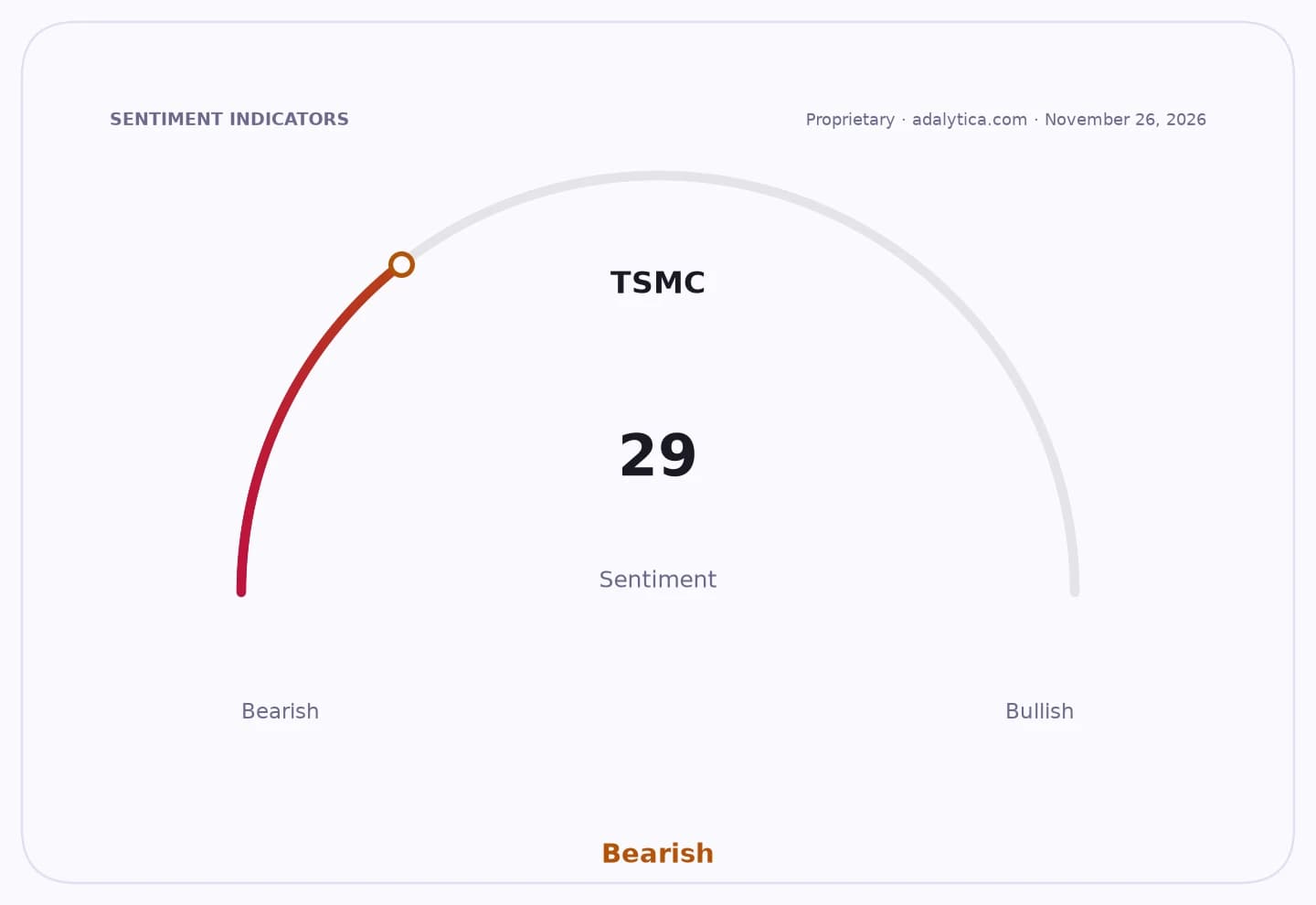
Sentiment Indicators
Retailers are responding with discounts and loyalty offers, particularly in grocery aisles, but those cuts are unlikely to reverse the broader rise in living costs. Peterson’s warning points to a consumer economy increasingly divided between necessities that households cannot avoid and discretionary items they can postpone.
That split is already visible in spending data. Retail sales rose to $662.8 billion in May from $655.9 billion in April, but the increase is in nominal dollars, meaning part of the gain reflects higher prices rather than stronger real demand. At the same time, University of Michigan consumer sentiment fell to 44.8 in May from 53.3 in March, underscoring the gap between reported spending and household confidence.
Consumer Spending Sentiment — 30-day sentimentadalytica.com
Explore this data interactively — full history, time series and cross-market comparisons.
For investors, the risk is that companies tied to home improvement, furnishings, appliances and other large purchases face weaker volumes even as nominal sales look resilient. Home Depot said in its latest quarterly filing that comparable sales rose 0.6%, helped by a 2.2% increase in average ticket but offset by a 1.3% decline in transactions — a pattern consistent with consumers paying more while shopping less often. Lowe’s has also flagged macroeconomic risks, including inflation and pressure on customers.
The market has treated consumer discretionary shares cautiously. The Consumer Discretionary Select Sector SPDR Fund closed at $117.24 on July 10, roughly in line with its 50-day and 200-day moving averages, while conventional RSI readings near 51 suggested neither strong momentum nor capitulation. Home Depot remains below its 200-day moving average, while Lowe’s trades well under both its 50-day and 200-day averages, reflecting investor concern about demand for housing-linked spending.
The pressure is not limited to retailers. Packaged-food companies such as PepsiCo face constrained U.S. shoppers, even as international demand helps offset domestic softness. Grocery chains may win traffic through price cuts, but margin pressure and scrutiny of loyalty programs could intensify if consumers suspect data-driven pricing is limiting real savings.
The broader economic implication is that the Federal Reserve may get slower inflation without the political or household relief that comes from falling prices. That makes consumption more fragile: households keep spending on essentials, postpone discretionary purchases and become more sensitive to credit costs.
Unless wage growth accelerates or essential costs ease, the next phase of the consumer cycle is likely to reward companies selling necessities and punish those dependent on confidence, housing turnover and large-ticket purchases.
| Entity | Gains | Losses |
|---|---|---|
| Grocery retailers | ▲Traffic from discounts | ▼Margin protection |
| Consumers | ▲Select grocery relief | ▼Broad price declines |
| Home Depot and Lowe’s | ▲Higher average tickets | ▼Customer transactions |
| Consumer discretionary investors | ▲Defensive selectivity | ▼Big-ticket exposure |