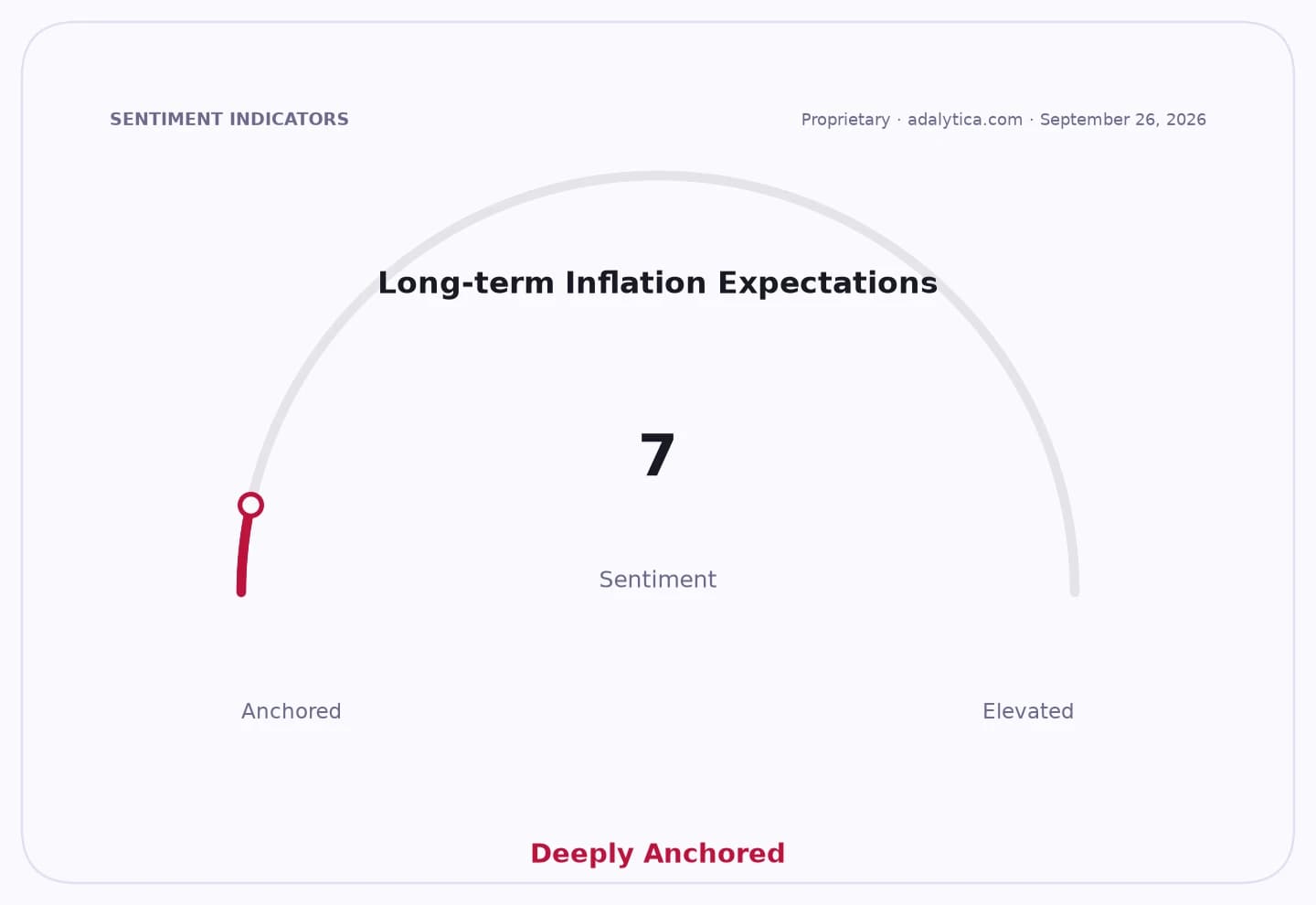
U.S. inflation is cooling only gradually, and that keeps indexed pensions and other inflation-linked retirement payments in focus as policymakers weigh how to protect purchasing power without worsening fiscal pressures.
Sticky Inflation Keeps Pension Indexation in Focus
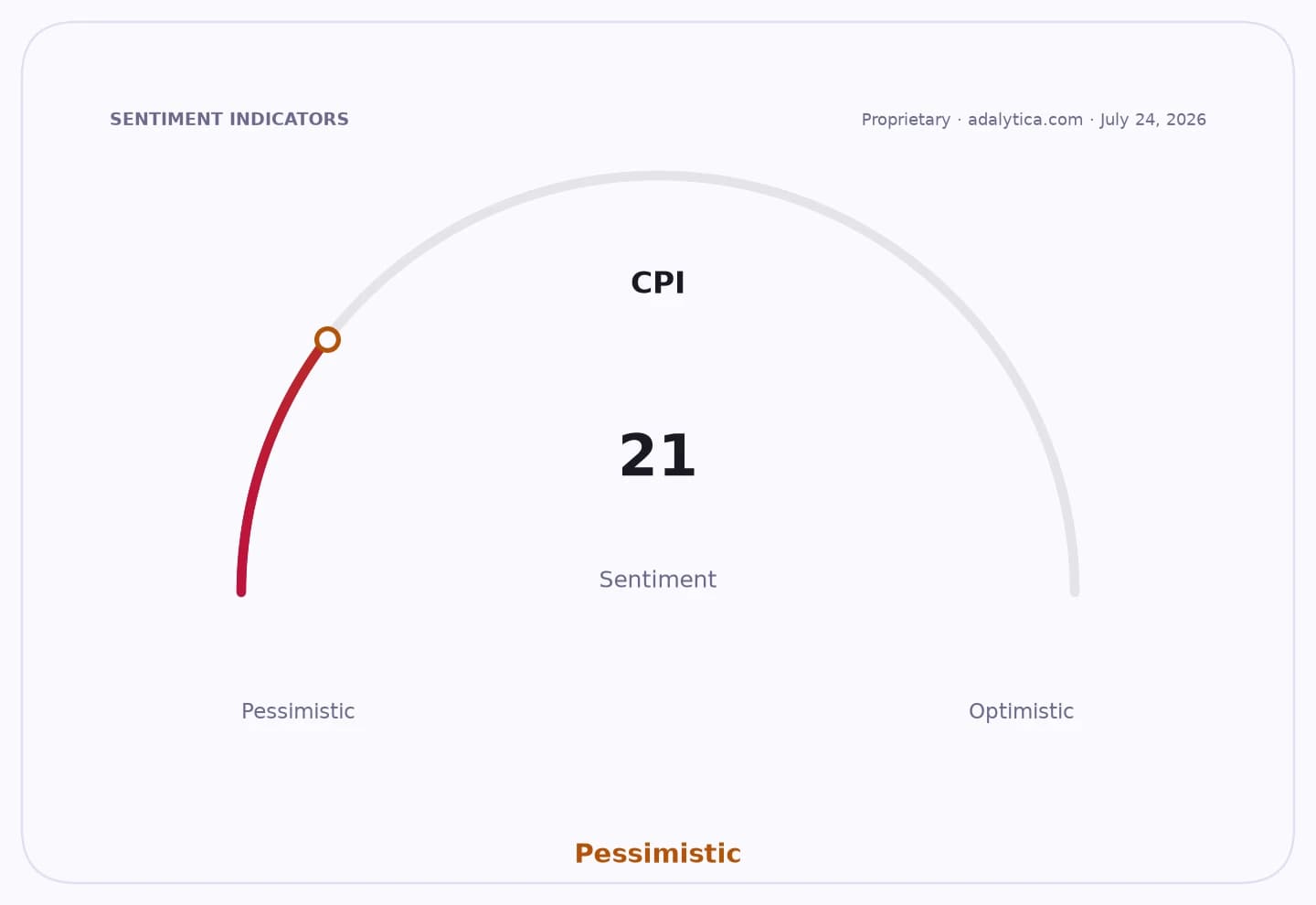
The economic case for inflation indexation is straightforward: retirees have little ability to offset higher prices through wages, so changes in the consumer-price path quickly translate into real income gains or losses. With headline CPI forecast to rise 0.89% in July and core CPI to increase 0.33%, the near-term inflation backdrop is still firm enough to argue for adjustments tied not just to headline CPI but to a broader set of cost-of-living indicators.
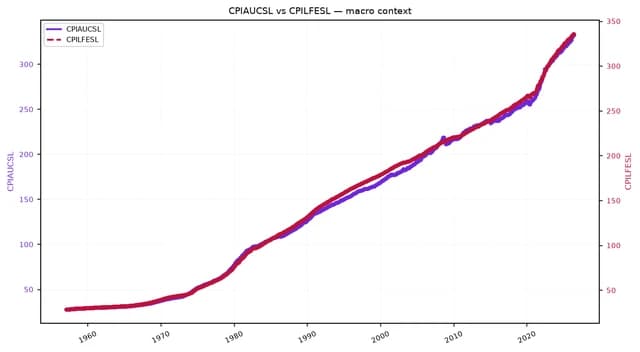
That matters because inflation has not fully disappeared as a problem for households or pension systems. The CPI has climbed to 335.5 from 332.6 in June on the latest forecast, while core CPI is expected to edge up to 337.2 from 336.1. Even if the monthly pace is modest, the level of prices remains far above pre-pandemic norms, leaving retirees exposed to cumulative erosion in real income. For governments, that raises a trade-off: stronger indexing preserves living standards, but it also locks in higher outlays at a time when aging populations are already straining budgets.
Markets are reading that tension through rates and inflation-protected assets. The iShares TIPS Bond ETF has held near 108, while the ProShares UltraShort 20+ Year Treasury ETF has rallied to the high-30s, reflecting persistent concern that inflation may prove sticky enough to keep real yields elevated. Gold has also stayed relatively well bid, a sign that investors still want hedges against inflation surprises and policy uncertainty. In that environment, any move toward broader pension indexation would likely be viewed as supportive for retirees and inflation-linked instruments, but negative for long-dated sovereign balance sheets.
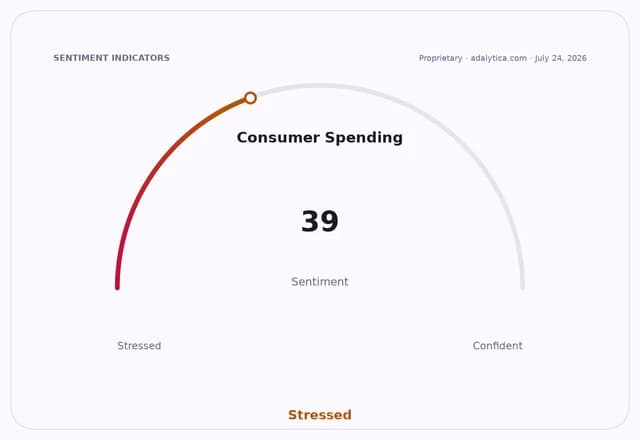
The policy narrative is not limited to the United States. Globally, pension systems are under pressure to reconcile fiscal discipline with living-cost protection. Germany is preparing a modest pension increase in 2027, while India continues to debate a sharp lift in the minimum Employees’ Pension Scheme benefit. In each case, the underlying issue is the same: if benefits fail to keep up with prices, political pressure builds quickly; if they are fully indexed, the financing burden shifts to workers, taxpayers or employers.
For investors, the key question is whether inflation indexation becomes a broader policy response or remains a limited adjustment. A more generous link to CPI and other living-cost measures would favor retirees and inflation-protected debt holders, but it would also reinforce demand for duration hedges and pressure fiscal credibility if governments do not offset the cost. If inflation cools faster than expected, the urgency fades; if price growth stays sticky, pension indexation is likely to remain a central policy fight rather than a narrow welfare issue.
| Entity | Gains | Losses |
|---|---|---|
| Pensioners | ▲Higher real income | ▼Loss of purchasing power |
| Governments | ▲Political cover if indexed | ▼Higher fiscal costs |
| TIPS holders | ▲Stronger inflation hedge demand | ▼Lower urgency for nominal bonds |
| Taxpayers/employers | ▲Predictable if costs capped | ▼Higher contribution burden |