CGIL’s decision to file a complaint with Italy’s Court of Auditors over alleged treasury damage on the Stretto bridge raises the financial and political stakes around one of the country’s most controversial infrastructure projects.
Stretto Bridge Faces Rising Execution Risk

The move matters because the bridge is not just a symbol of southern development policy — it is a capital-intensive public works bet whose economics depend on clean approvals, stable funding and an investor-friendly execution path. A Court of Auditors challenge can slow procurement, complicate financing and amplify the risk premium attached to a project already carrying political baggage.
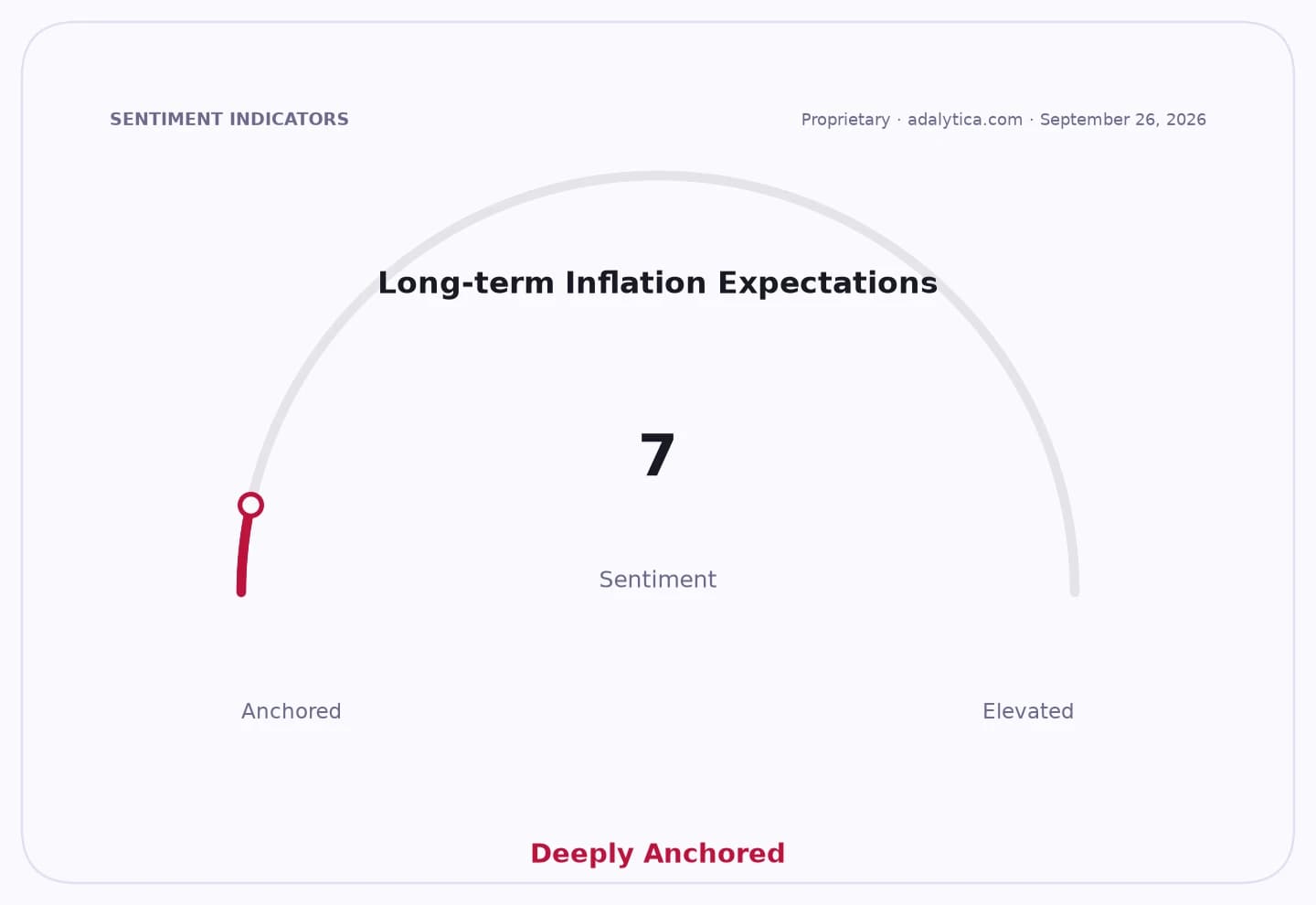
Sentiment IndicatorsⓘProprietary · adalytica.com · July 27, 2026
This is a snapshot — live sentiment, awareness and momentum for 130+ markets update continuously in the dashboard.Open AlphaPulse
For investors, the key issue is not the legal filing itself, but what it signals about execution risk in Italian infrastructure. When labor and opposition groups frame a megaproject as a potential loss to the treasury, the market starts to price in delays, redesign risk and the possibility of higher public costs. That is bad for contractors with bridge exposure, but it can be good for firms positioned around broader Italian infrastructure spending if capital is eventually redirected toward lower-risk works with faster cash conversion.
The backdrop is also unforgiving. Ten-year U.S. Treasury yields around 4.75% and oil near $85 a barrel point to a world where capital is more expensive and construction inputs remain volatile. In that environment, governments have less room for overruns, and megaprojects face tougher scrutiny from auditors, courts and bond markets alike. That makes the Stretto bridge not just a local political fight, but a test case for how much fiscal slippage Europe will tolerate in its infrastructure ambitions.
Sterling Infrastructure’s recent technical profile shows how investors are already rewarding infrastructure names with visible execution and funding strength, while punishing any hint of delay or margin pressure. By contrast, the Stretto bridge faces the opposite setup: legal uncertainty, fiscal scrutiny and a narrower path to value creation. If the complaint gains traction, the real winners may be the firms tied to smaller, faster, less politicized infrastructure spending rather than headline-grabbing megaprojects.
The investment takeaway is clear: the market should treat the Stretto bridge as a cautionary signal, not just an Italian headline. In a higher-rate, higher-input-cost world, the best returns in infrastructure will likely come from the toll roads of execution — permitting, materials, site work and local contractors — not from politically charged megaprojects that can be stalled by the first credible fiscal challenge.
| Entity | Gains | Losses |
|---|---|---|
| CGIL / critics | ▲Political leverage | ▼None if project slows |
| Court of Auditors | ▲Oversight relevance | ▼Public pressure to decide quickly |
| Bridge contractors | ▲Potentially none | ▼Delay risk, margin pressure |
| Italian taxpayers / treasury | ▲Possible cost control | ▼Near-term project uncertainty |