Structured debt is moving deeper into the mainstream for wealthy investors at a time when elevated global borrowing costs are making plain-vanilla fixed income less compelling and forcing portfolio managers to look harder for income with protection.
Structured Debt Gains Interest Among Indian Investors

At the ET Alpha Wealth Summit 2.0 in Mumbai on Oct. 8, a panel of market participants including Vikas Satija, Aakash Desai, Ashish Mehrotra, Shantanu Sahai and Rakshat Kapoor will examine how high-net-worth investors are weighing private debt against the trade-off between yield, liquidity and downside protection. That question matters now because the backdrop for all credit is changing: US 10-year Treasury yields have risen to around 5.3%, the federal funds rate is still near 3.63%, and high-yield credit spreads remain far from crisis levels at about 3.19%, a combination that keeps absolute returns attractive but also keeps financing costs elevated.
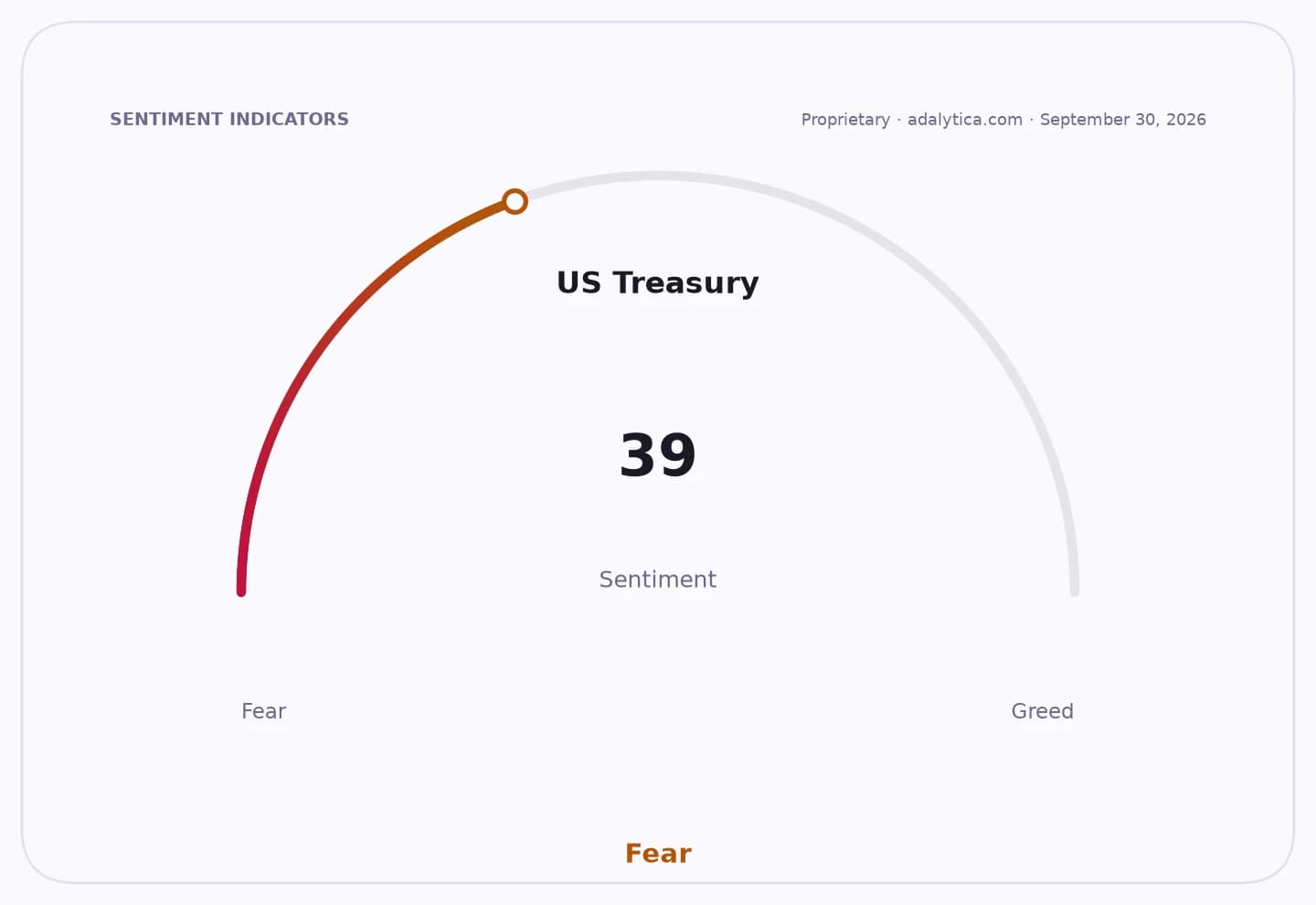
Sentiment IndicatorsⓘProprietary · adalytica.com · October 1, 2026
This is a snapshot — live sentiment, awareness and momentum for 130+ markets update continuously in the dashboard.Open AlphaPulse
For Indian investors, that makes structured debt more than a niche alternative. It is becoming a way to harvest a premium over public bonds while negotiating for collateral, covenants, seniority and other protections that can improve recovery prospects if a borrower stumbles. In an environment where government borrowing costs are higher, corporate refinancing is more expensive and global rate volatility continues to ripple through local markets, the appeal of customised lending rises.
That broader yield hunt helps explain why private credit and structured financing have drawn attention from family offices and high-net-worth individuals in India. The products can be tailored to borrower needs — expansion capital, acquisitions, refinancing or working capital — while offering lenders a claim that may sit ahead of unsecured creditors. Senior secured structures, in particular, are attractive because they can combine higher coupons with stronger asset backing than listed corporate bonds.
The economics are straightforward. When risk-free rates rise, the hurdle for any investment income stream rises with them. Investors who once accepted low single-digit returns from high-quality debt now need more compensation for illiquidity and complexity. That has pushed capital toward instruments that can deliver enhanced yield without relying purely on duration or broad market beta. The downside is that these are often private deals with limited secondary-market liquidity, making diligence and cash-flow analysis crucial.
That is where the conversation at the summit becomes important for markets. Investors are no longer just asking how much a borrower will pay; they are asking how resilient the borrower’s revenue is, how much leverage it can sustain and how a structure performs under stress if interest rates stay high, asset values weaken or refinancing windows close. For lenders, the bull case is that strong documentation and collateral can limit losses while producing income that public markets cannot easily match. The bear case is that complexity can mask risk, and illiquidity can turn a high coupon into a trap if credit conditions deteriorate.
The macro backdrop supports both sides of that debate. The US fiscal burden has crossed $40 trillion, Treasury yields have climbed to levels not seen in more than two decades, and higher US rates are feeding through to global funding costs, including emerging markets. That makes private lending and structured credit more relevant, but also more sensitive to a broad credit turn. In India, where benchmark government borrowing and corporate spreads are influenced by global rate moves, investors will likely keep searching for income products that can outperform cash and plain bonds.
For asset managers such as BlackRock and T. Rowe Price, which continue to report bond-market activity in a choppy rate environment, the renewed interest in private debt underscores a wider shift in fixed income: investors want carry, but they want it with terms that better protect capital. The opportunity is real, but so is the need for discipline.
The investors most likely to benefit are those who can underwrite credits deeply, evaluate capital structures and live with longer holding periods. Those most at risk are buyers who chase headline yields without fully pricing liquidity risk or borrower stress. As rates remain elevated and refinancing costs stay high, structured debt is likely to stay in focus — not because it is simple, but because simplicity is no longer enough.
| Entity | Gains | Losses |
|---|---|---|
| High-net-worth investors | ▲Higher income with protections | ▼Liquidity and simplicity |
| Structured debt lenders | ▲Premium yields and collateral | ▼Easy exit options |
| Borrowers seeking private capital | ▲Flexible financing terms | ▼Lower-cost funding |
| Public bond investors | ▲— | ▼Relative appeal vs private credit |