A record $1.7 trillion student-loan burden is doing more than squeezing household budgets — it is widening the financial gap for Black borrowers and many students tied to historically Black colleges and universities, where repayment stress can shadow careers for years.
Student debt burdens Black borrowers and HBCU families
That matters because student debt is no longer a niche consumer issue; it is a persistent drag on wealth creation, homeownership and spending power for millions of Americans. The Federal Reserve estimates about 45 million consumers owe student loans, and that balance has climbed by $905 billion over the past decade. For HBCU borrowers, who often enter the labor market with less inherited wealth to cushion setbacks, the debt load can make the return on a degree harder to realize even when the education itself is valuable.
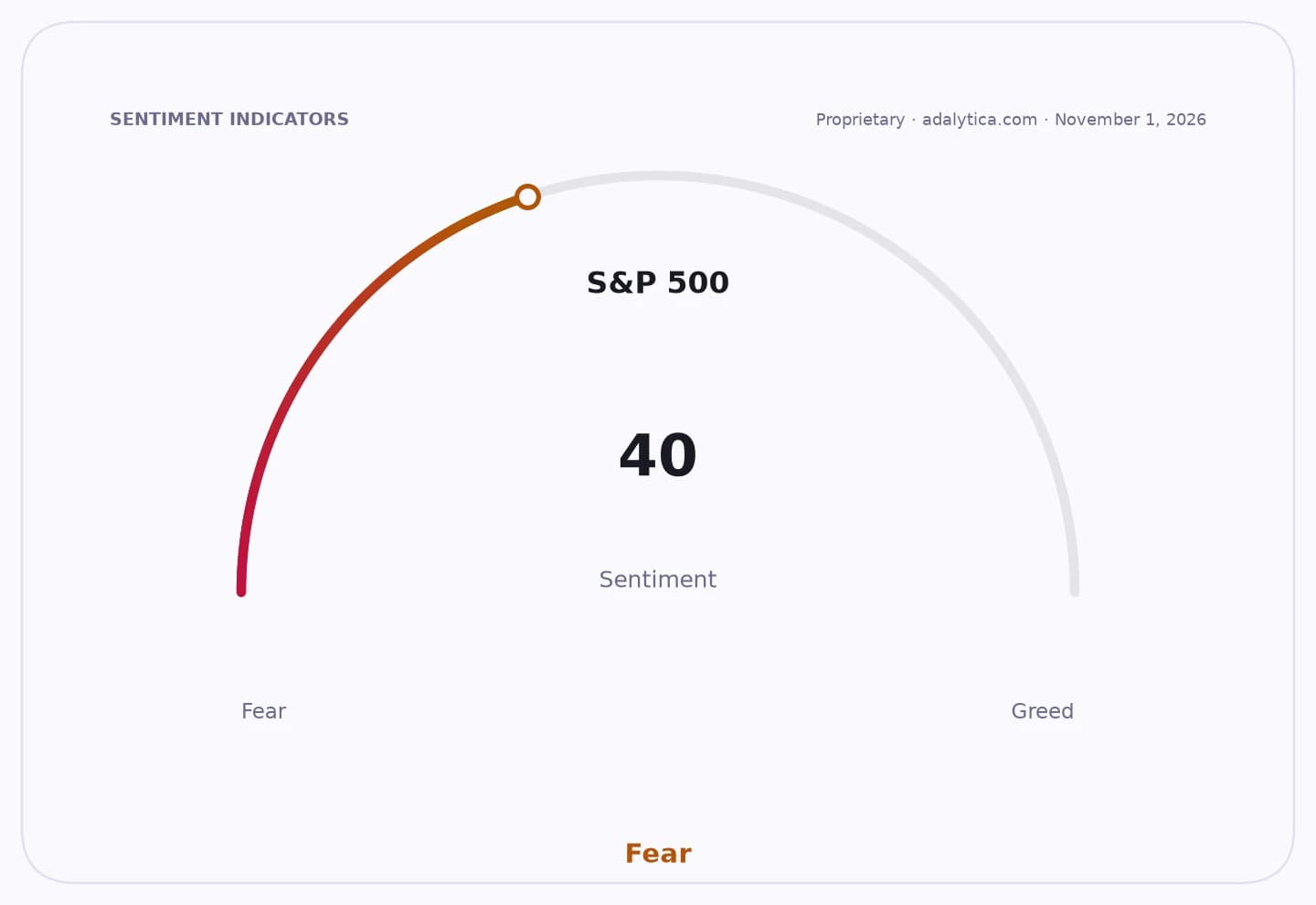
Sentiment Indicators
The story is also an investor one. Heavy educational borrowing can delay big-ticket purchases, weaken household formation and reshape credit demand, all of which matter to lenders, consumer financiers and the broader economy. In the data now circulating through the market, the same theme shows up elsewhere: student-loan specialists are still managing sizable books of private education loans, while banks that depend on consumer credit quality are watching delinquency trends closely. That is one reason investors keep an eye on companies exposed to education finance, from Sallie Mae to Navient and even larger consumer lenders such as Capital One.
Sallie Mae shares, for example, have been volatile, with technical indicators showing a sharp recent pullback and the stock trading below both its 50-day and 200-day moving averages after a bout of heavy volume. Navient has also seen its share price swing as investors reassess the long-term profit pool in education lending. Those moves reflect a simple reality: when student debt becomes structurally larger, the market has to ask whether growth in the loan industry is coming at the expense of borrower health.
The macro backdrop only sharpens the issue. The economy is still expanding, but inflation and interest rates have left many households stretched, and the burden of debt repayment can feel heavier when wages and living costs do not keep pace. That is especially true for borrowers from communities that have historically faced lower access to intergenerational wealth. For HBCU families, student loans are often not just a financing tool but a long-duration claim on future income.
For investors, the long-term takeaway is less about one quarter’s earnings and more about the durability of the educational finance model. If repayment remains painful and political pressure stays high, lenders may face tougher underwriting, slower growth or tighter margins. If reforms ease the burden, borrowers could gain room to spend, save and invest. Either way, the record $1.7 trillion figure is a reminder that student debt is a structural issue — and one worth watching closely over the next several years.
| Entity | Gains | Losses |
|---|---|---|
| Borrowers | ▲Debt relief hopes | ▼Years of cash flow pressure |
| HBCU families | ▲Policy attention | ▼Wealth-building delay |
| Student lenders | ▲Loan demand | ▼Credit and policy risk |
| Consumer economy | ▲Possible reform boost | ▼Near-term spending drag |