The federal student-loan balance has fallen by about $10 billion as the Biden administration’s forgiveness efforts take hold, even as nearly one million borrowers rush to exit the SAVE repayment plan ahead of a looming deadline and new Education Department rules are expected to reshape repayment for tens of millions more.
Student-loan relief lifts borrowers, pressures lenders
That matters because student debt is not just a household balance-sheet issue; it is a policy lever that reaches into consumer spending, delinquency risk, bank and fintech lending, and the politics of higher education financing. A smaller outstanding federal balance can support disposable income for borrowers who receive relief, but the scramble to leave SAVE underscores how unsettled the system remains for households that still owe money.
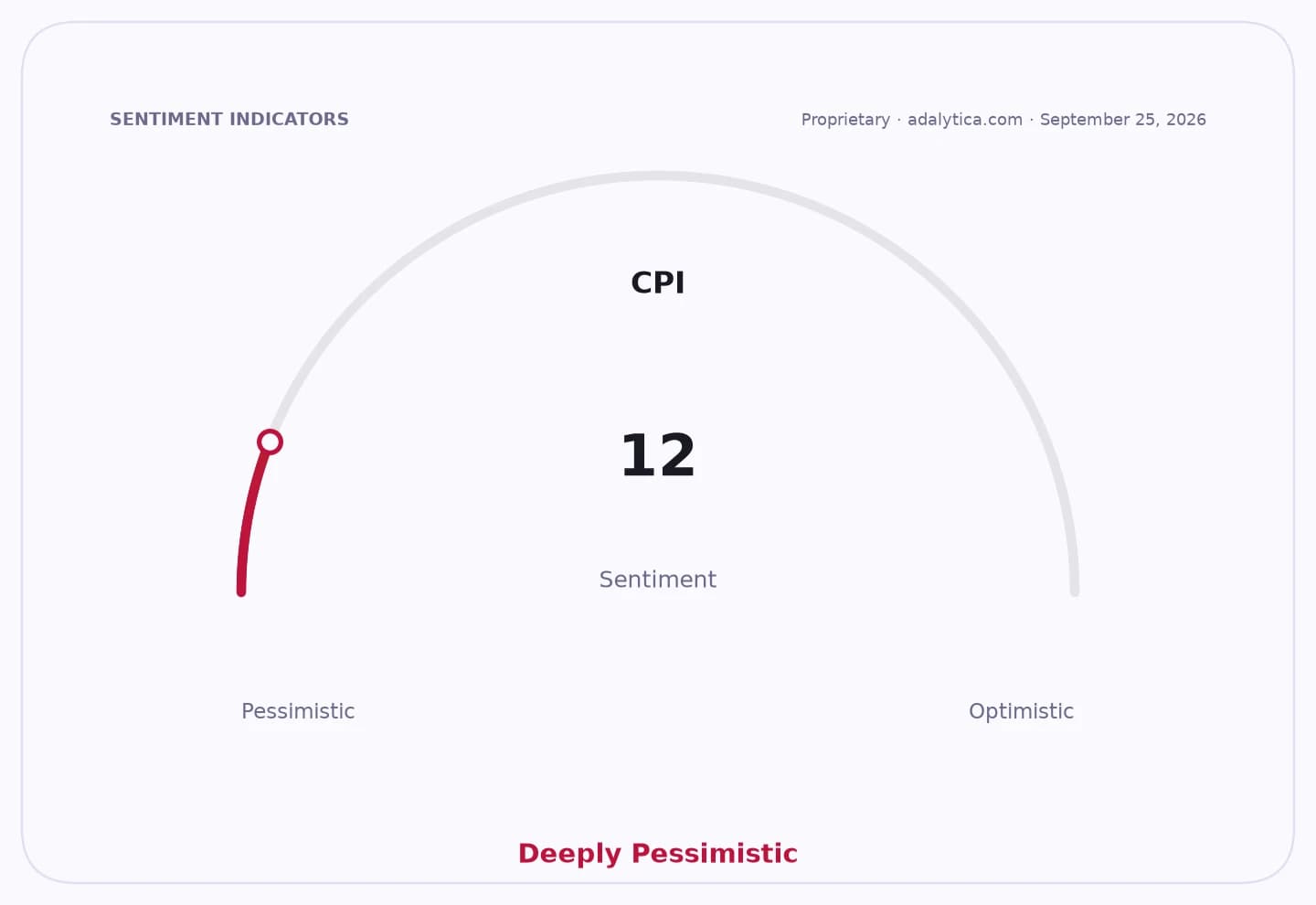
Sentiment IndicatorsⓘProprietary · adalytica.com · July 15, 2026
This is a snapshot — live sentiment, awareness and momentum for 130+ markets update continuously in the dashboard.Open AlphaPulse
The administration’s latest actions are intended to broaden relief and reduce payment stress for borrowers, with officials signaling help for as many as 30 million people. The near-term effect is a transfer of pressure away from delinquent borrowers and toward the federal government, which absorbs the cost of forgiveness, while the longer-term effect is more ambiguous: clearer repayment rules could reduce defaults, but repeated policy changes can also prolong uncertainty and complicate budgeting for households and lenders alike.
Investors have reason to watch the ripple effects. Companies with exposure to student refinancing and consumer credit — including SoFi Technologies and the broader private-lending ecosystem — can see demand, credit performance and loan yields move as borrowers reassess whether to refinance, stay in federal programs or delay payment decisions. SoFi’s latest filings already pointed to student lending being sensitive to interest rates, employment and federal policy, a reminder that regulatory shifts can quickly change the economics of a business line.
There is also a macro angle. Fed data show the labor market remains relatively stable, with unemployment hovering around the low-4% area, which helps keep mass defaults from becoming a base case. But consumer sentiment has weakened sharply in recent months, and stress in household finances could intensify if repayment transitions are mishandled. In that environment, forgiveness may provide a cushion, but confusion around eligibility, timing and plan changes can still produce payment shocks for less prepared borrowers.
The bull case for the policy shift is straightforward: lower required payments and targeted forgiveness should support consumption, reduce delinquency risk and make the system more manageable after years of pandemic-era disruption. The bear case is that the program’s complexity and repeated resets may encourage gaming, delay normalization and leave private credit providers operating in a more uncertain regulatory regime.
For investors, the key question is not whether student debt is falling, but whether the next phase of rules brings stability or another round of churn. If the Education Department can simplify repayment and prevent a default spike, consumer credit quality should improve at the margin. If not, the market may continue to treat student lending as a policy headline rather than a predictable asset class.
| Entity | Gains | Losses |
|---|---|---|
| Student borrowers | ▲Lower balances, smaller payments | ▼Ongoing policy uncertainty |
| Federal government | ▲Political credit for relief | ▼Higher fiscal cost |
| SoFi and student lenders | ▲Potential refinance demand | ▼Weaker loan growth visibility |
| SAVE plan holdouts | ▲Path to easier repayment | ▼Deadline pressure, confusion |