The Supreme Court has handed Donald Trump and future presidents a structural boost by limiting the ability of lower courts to issue nationwide blocks, a ruling that could let the White House move ahead on birthright citizenship and a raft of stalled policies.
Supreme Court Limits Nationwide Injunctions
That matters far beyond one immigration fight. For investors, the decision lowers the odds that a single district judge can freeze a major federal initiative across the country, which means more policy volatility, more implementation risk, and more room for executive action to reach the economy before courts can shut it down. In a market that trades on regulatory visibility, the ruling increases the value of speed, political access and legal optionality.
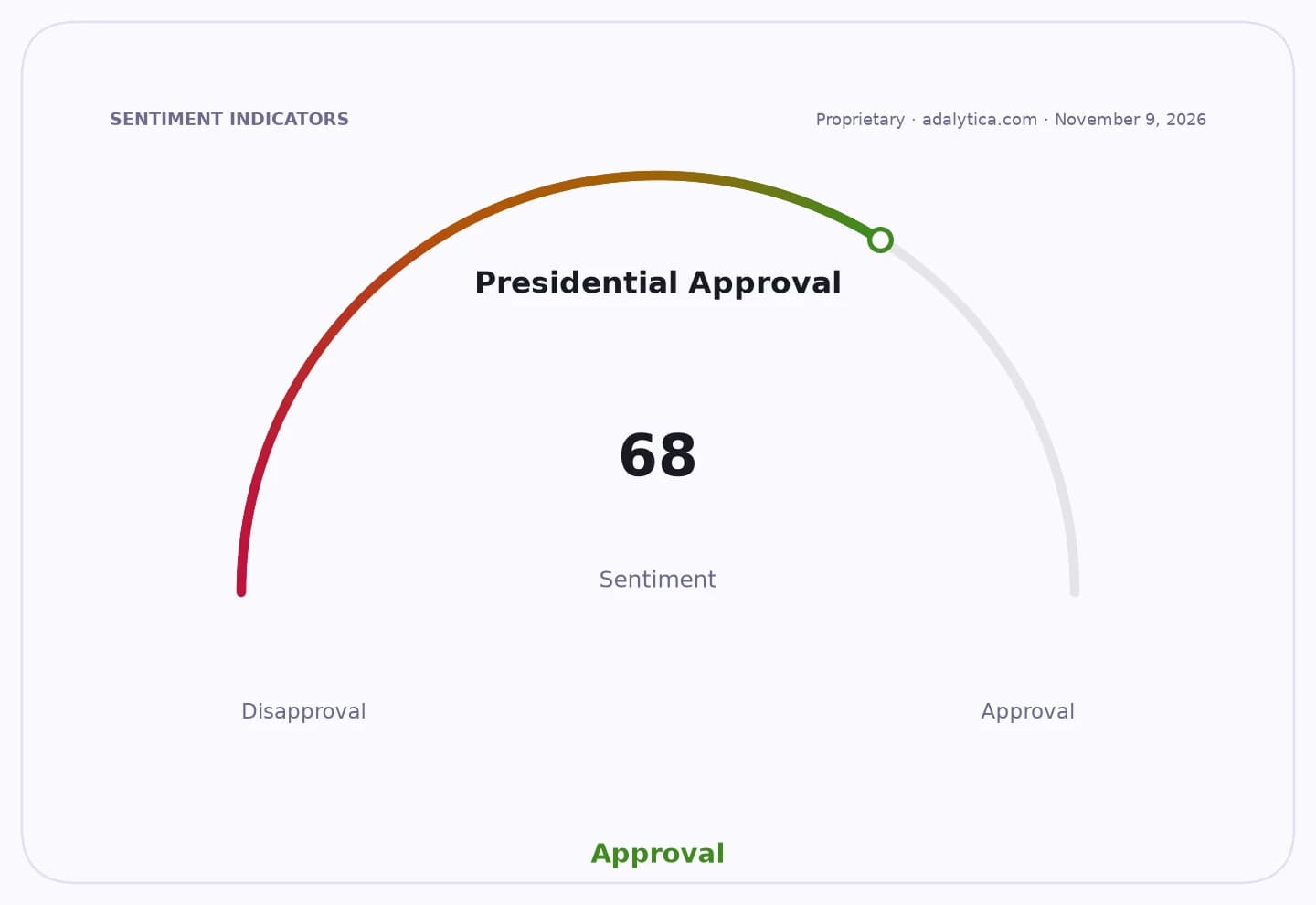
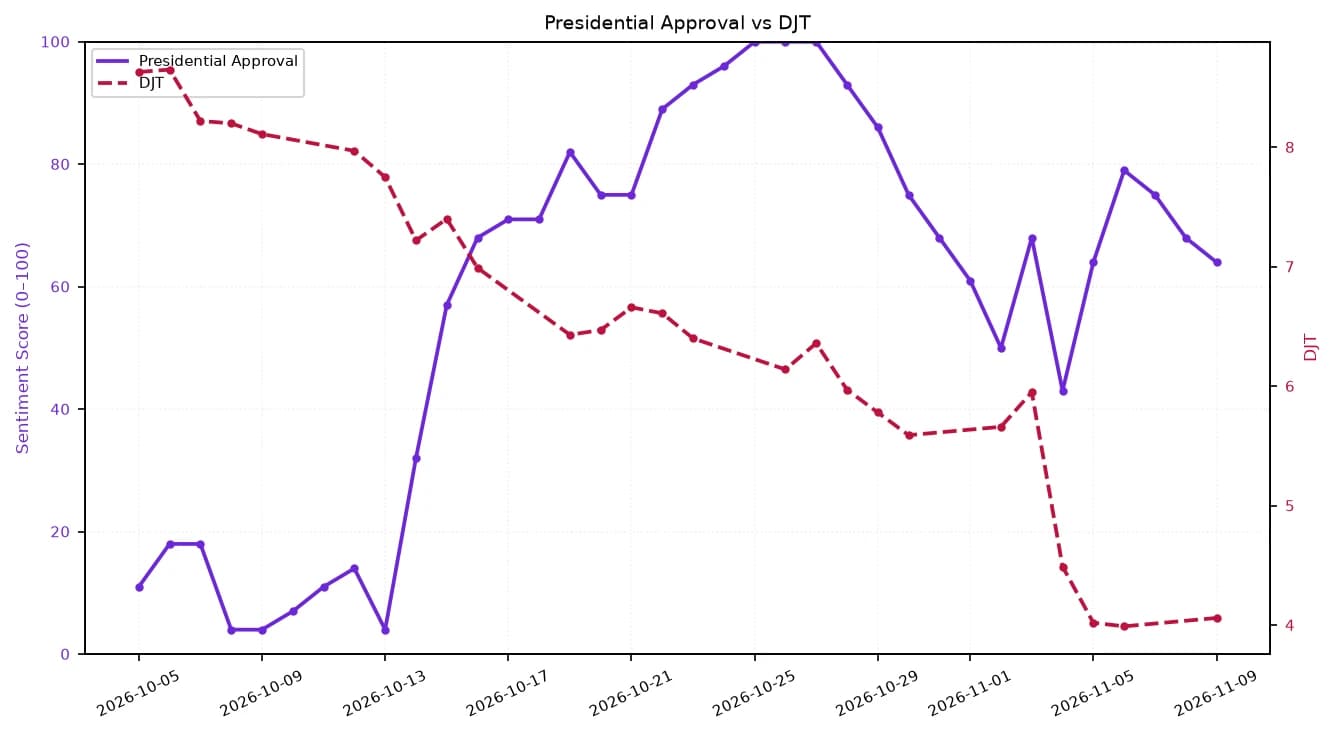
Sentiment Indicators
The immediate prize is Trump’s executive order aimed at ending automatic citizenship for children born in the U.S. to undocumented migrants. The justices said the order can take effect in one month, while still allowing targeted challenges by states or affected parties. That leaves the policy alive, if not fully settled, and gives the administration a window to build enforcement machinery around a position that has been blocked in lower courts.
But the broader significance is institutional. The court’s majority, written by Justice Amy Coney Barrett, narrowed the reach of universal injunctions that have become a central brake on presidents of both parties. The Congressional Research Service has tracked 25 such blocks on Trump administration actions since inauguration, covering foreign aid cuts, diversity initiatives, labor changes, immigration steps and election rule updates. If lower courts are now less able to shut those actions nationwide, Washington’s policy pipeline gets faster — and more volatile.
For companies and sectors exposed to federal rules, that is the real story. More executive latitude can accelerate immigration enforcement, shift federal contracting priorities, alter benefits policy and reopen fights over education, labor and environmental regulation. It also raises the odds of uneven state-by-state implementation, because the ruling still leaves room for narrower injunctions and subsequent appeals. In other words, policy may move faster, but it may also arrive in fragments.
Markets should not read this as a clean pro-growth verdict. It is a pro-executive verdict, and that cuts both ways. Companies that benefit from deregulation, tighter border policy, defense spending and faster procurement could gain optionality. Sectors tied to federal grants, diversity programs, renewable policy, immigration-linked labor supply or student lending face a more uncertain operating backdrop. The beneficiaries are likely to be the firms closest to policy execution; the losers are those most dependent on court delay.
The ruling also fits a broader political pattern: presidents increasingly want courts to stop acting as nationwide veto points, while judges and states try to preserve the ability to block major actions quickly. That tension is not going away. The administration still has to work out how to implement birthright citizenship, and the Supreme Court may revisit the issue in October. But for now, Trump has won something more important than one policy fight — he has won time, and time is what turns executive power into economic reality.
For investors, the takeaway is clear: the market underestimates how much this decision strengthens the policy transmission mechanism in Washington. Expect more legal noise, faster headline risk and larger dispersion across sectors exposed to federal rulemaking. In this environment, the best positioning is in names that benefit from policy acceleration, while staying cautious on businesses whose valuation depends on legal gridlock lasting forever.
| Entity | Gains | Losses |
|---|---|---|
| Trump White House | ▲Faster policy execution | ▼Court-based delays |
| Defense/contracting firms | ▲More procurement optionality | ▼— |
| Federal grant-dependent sectors | ▲— | ▼Higher policy uncertainty |
| Lower courts | ▲Narrower injunction power | ▼Nationwide blocking authority |