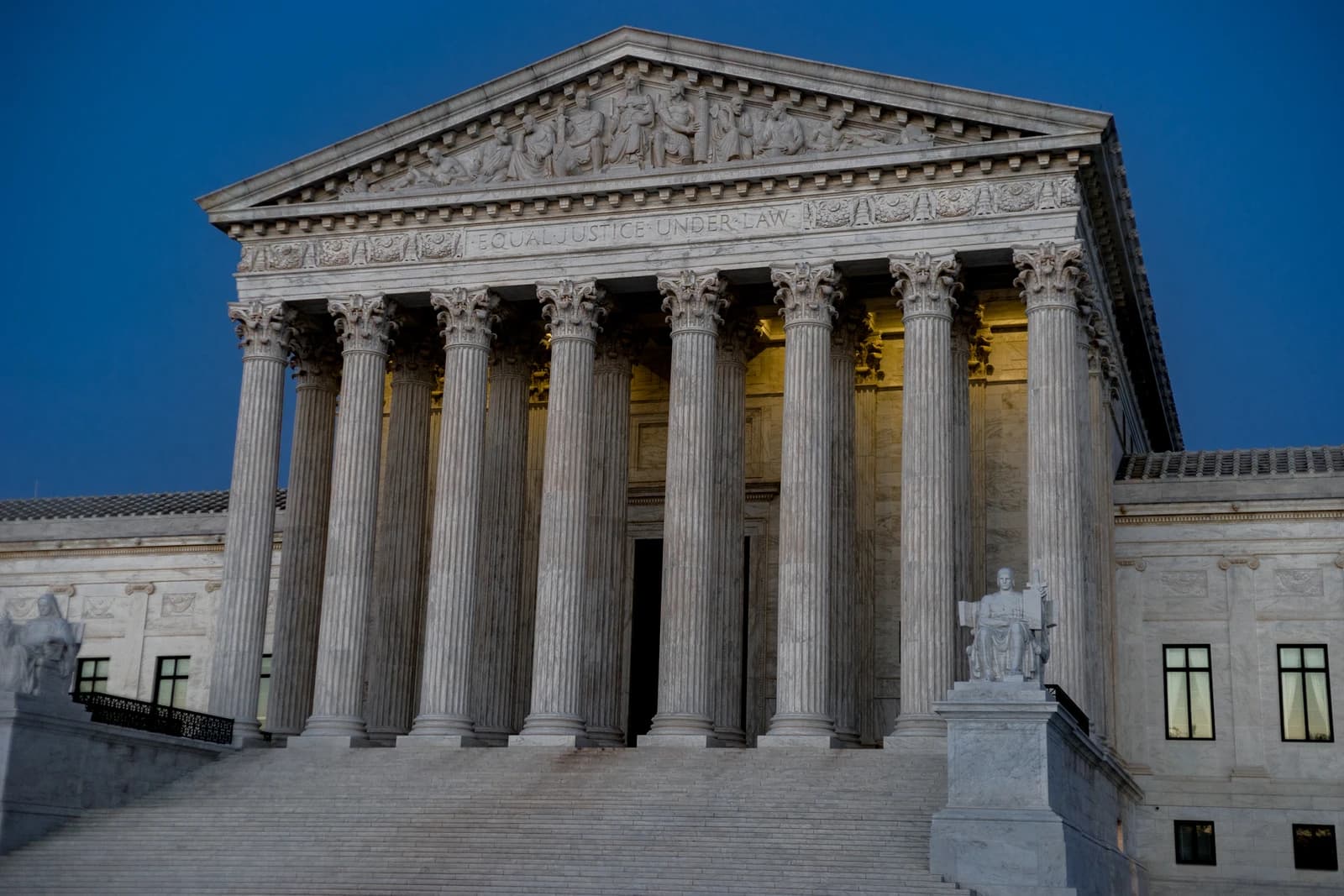
Donald Trump’s administration has asked the Supreme Court to intervene in a California ballot dispute that could affect more than 20,000 votes just as Americans head to the polls, escalating a fight over election administration that has already been rejected by lower courts.
Trump administration asks Supreme Court on California ballots
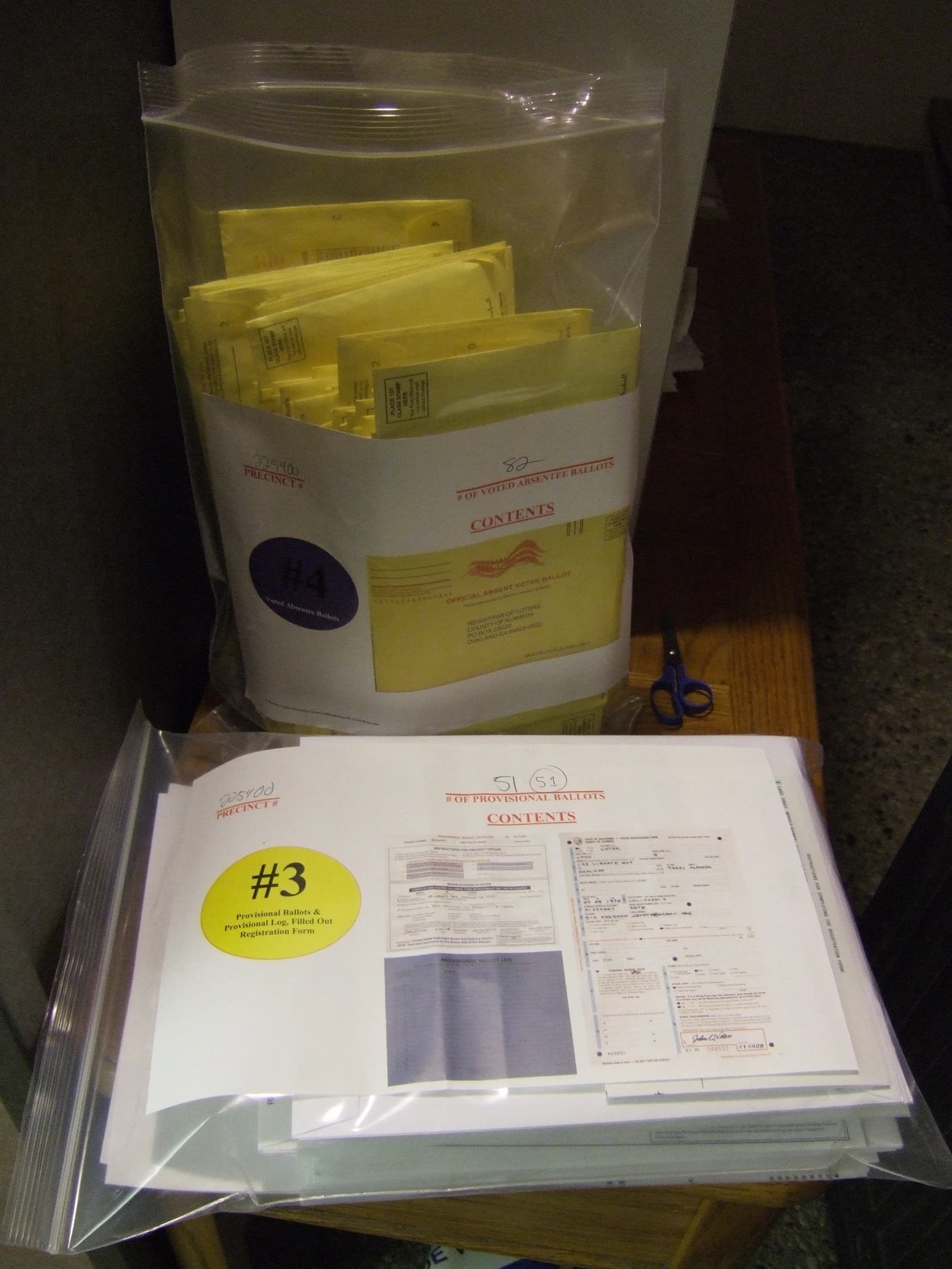
The request matters less because California is a battleground — it is not — than because it tests how far the federal government can go in trying to stop ballots from being counted on the basis of unproven eligibility claims. A ruling in Trump’s favor would set a precedent for election disputes in future cycles, while a denial would reinforce the view that courts are unlikely to let allegations of non-citizen voting interrupt the vote-counting process without hard evidence.
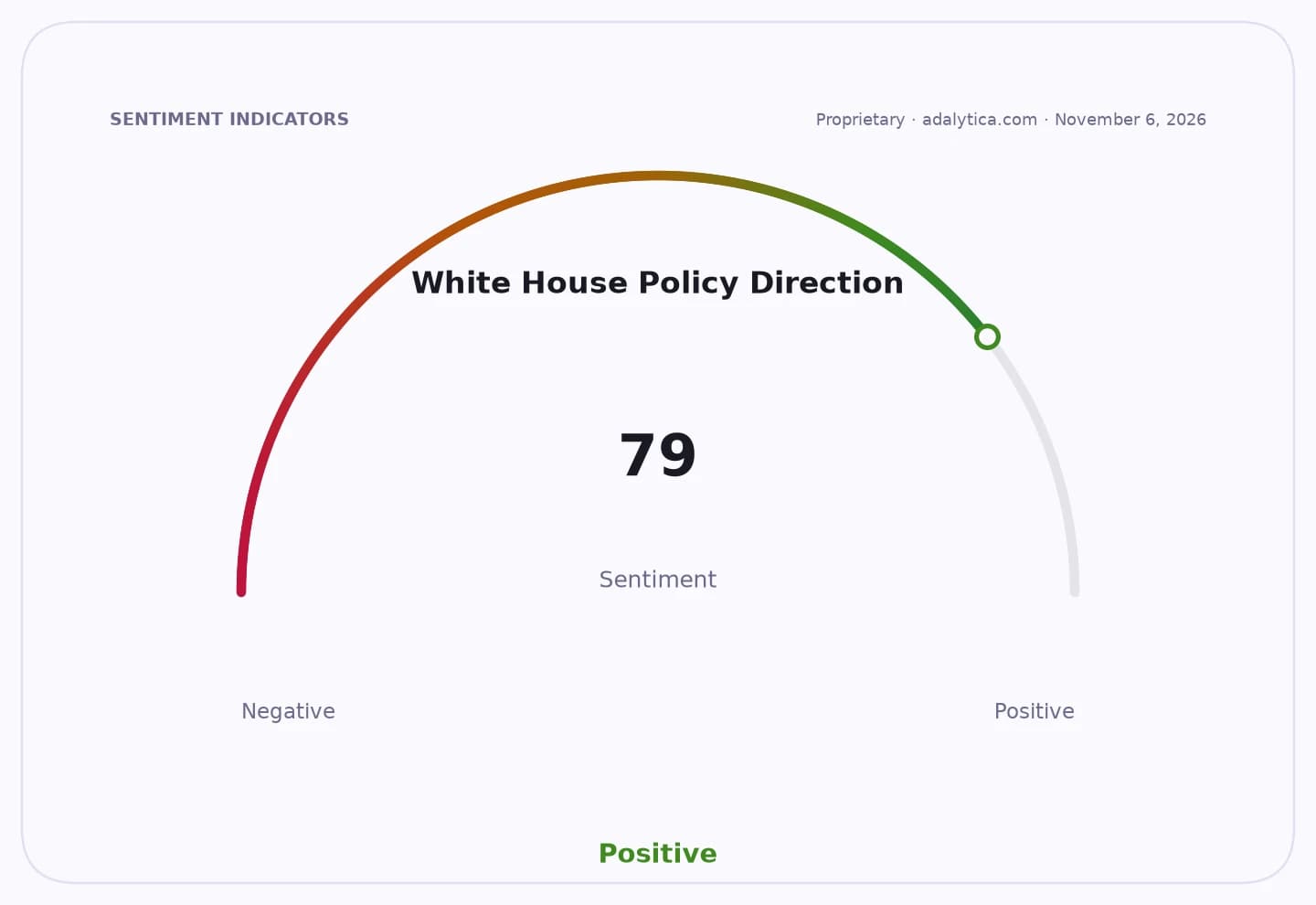
Sentiment Indicators
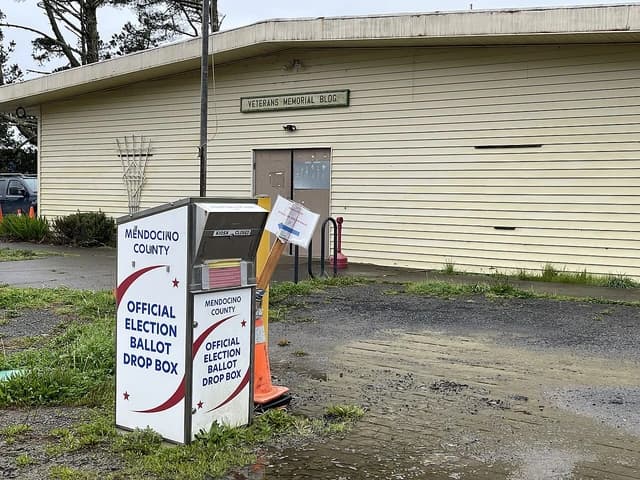
The Justice Department is seeking a temporary order requiring California not to mix ballots considered suspect with legal ones until voter status is verified. A federal judge in Los Angeles previously rejected that demand, warning that separating ballots could create chaos and damage public confidence in democracy. The state has argued the federal government’s methodology for identifying alleged non-citizens is flawed, and court filings reviewed in the case indicated that some U.S. citizens were wrongly included on the list.
That legal backdrop is economically relevant because election disputes can affect policy expectations, market volatility and perceptions of institutional stability, even when the immediate dispute has no direct impact on corporate earnings. For investors, the issue is not California’s electoral outcome but the durability of the rule of law and the likelihood of prolonged post-election conflict, both of which can shape risk premiums around U.S. assets.
The timing raises the stakes. The Justice Department filed the emergency request on Monday, leaving little chance the court will rule before Tuesday’s vote. Even so, the case keeps election integrity at the center of the national debate, with Trump again arguing that voter fraud is widespread despite repeated investigations showing it is rare. California Governor Gavin Newsom has moved to counter any interference with legal observers, poll watchers and a hotline for intimidation complaints.
Markets have so far treated the dispute as a political risk rather than a macro event. U.S. equities remain near the upper end of their recent range, with the S&P 500 and Russell 2000 both above their 200-day moving averages, even as technical readings show the broader market is not in a strongly overbought condition. That suggests investors are watching the headline risk, but not yet pricing in a systemic shock.
Still, the broader market backdrop is one of heightened sensitivity to policy and governance shocks. Adalytica’s U.S. Congressional Gridlock sentiment gauge sits at 14, or “Extreme Fear,” while its global stability reading is at 100, indicating a sharp divide between calm in asset prices and anxiety around political friction. If the Supreme Court steps in, the legal fight could extend well beyond California and shape how aggressively federal authorities challenge ballots in future elections.
For investors, the key watchpoint is whether the case remains an isolated election-law dispute or becomes a template for broader confrontation between Washington and Democratic-led states. A narrow ruling would likely limit market impact, but any sign of escalating conflict over vote counting could feed into volatility, especially in sectors and asset classes sensitive to policy uncertainty.
| Entity | Gains | Losses |
|---|---|---|
| Trump administration | ▲Harder line on ballot scrutiny | ▼If Supreme Court rejects bid |
| California election officials | ▲Ability to count ballots as planned | ▼Legal distraction and scrutiny |
| Supreme Court conservatives | ▲Chance to shape election-law precedent | ▼Risk of being drawn into election dispute |
| Investors in U.S. risk assets | ▲Stability if dispute is contained | ▼Volatility if conflict escalates |