The US Supreme Court’s temporary block on the deportation of at least 30 Venezuelan migrants is a reminder that immigration policy is now a live economic variable, not just a legal flashpoint, because the Trump administration’s broader crackdown could tighten labor supply, intensify political risk and ripple through sectors that depend on foreign-born workers.
Supreme Court Blocks Venezuelan Deportations
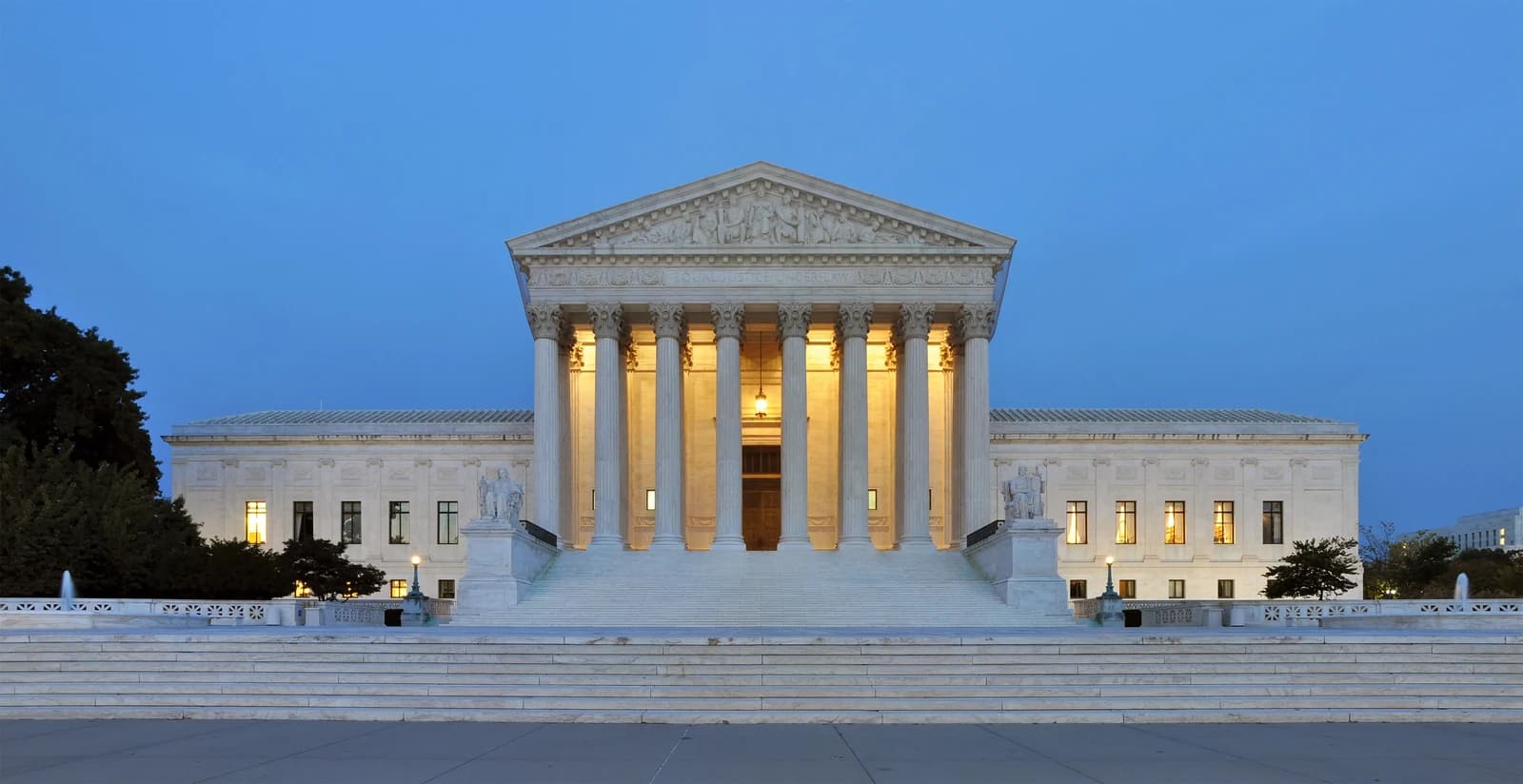
The immediate issue is narrow: the court told the government not to remove the detained group until it issues a further order, after the ACLU asked it to stop what it said was an effort to deport at least 30 Venezuelans under the rarely used Alien Enemies Act. But the significance is much larger. President Donald Trump has invoked a wartime-era statute to accelerate removals of people he says are tied to foreign terrorist organizations, including Venezuela’s Tren de Aragua and El Salvador’s MS-13, and has already sent some accused gang members to prisons in El Salvador.
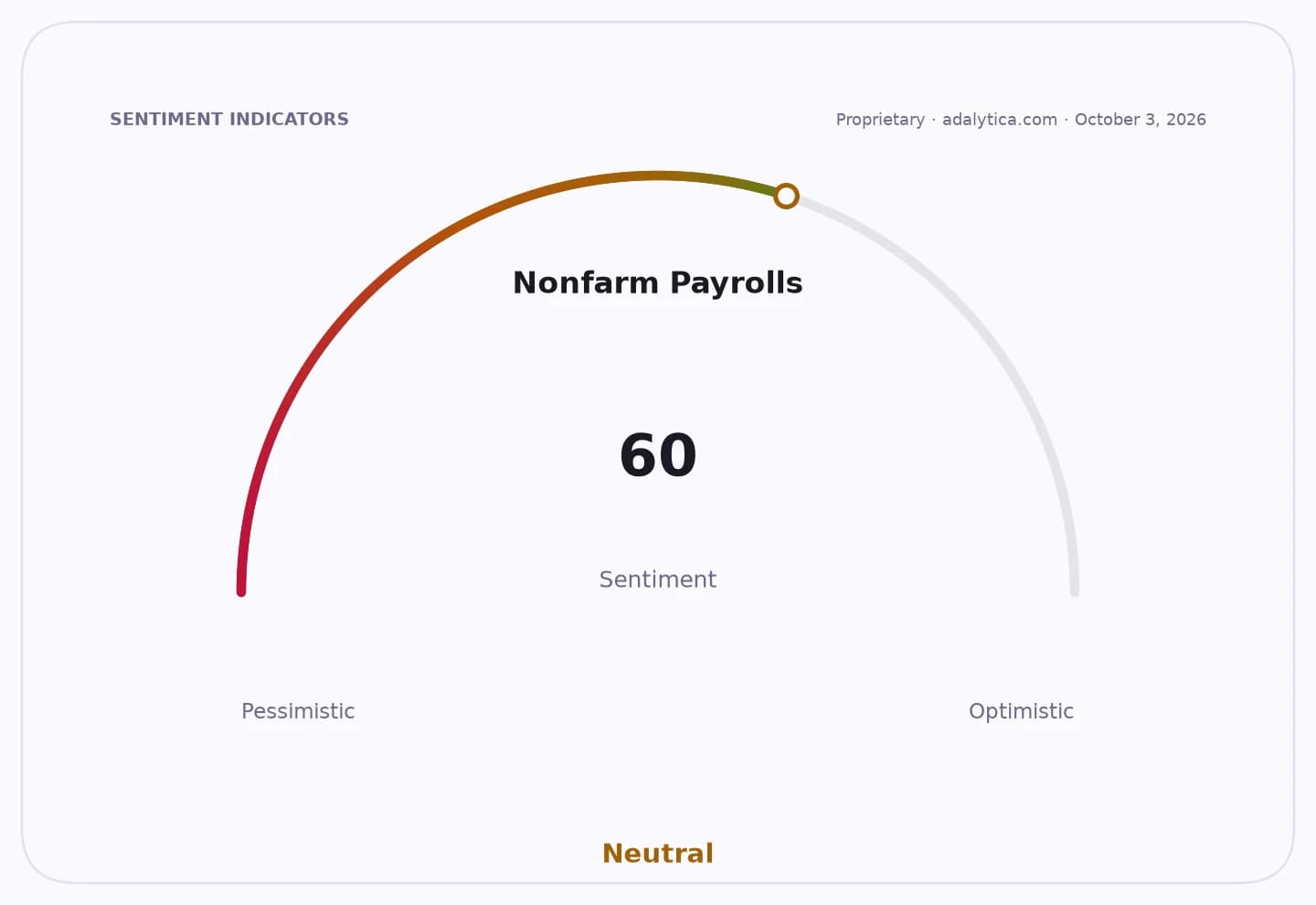
Sentiment IndicatorsⓘProprietary · adalytica.com · September 30, 2026
This is a snapshot — live sentiment, awareness and momentum for 130+ markets update continuously in the dashboard.Open AlphaPulse
That makes the case more than an immigration dispute. It is part of a broader policy shift that can affect labor availability, compliance costs and geopolitical risk premia. The US is already running a labor market where unemployment is around 4.1% and industrial production remains above 103, suggesting a still-resilient economy that does not have much slack. In that environment, deportation-driven labor disruption can matter at the margin, especially in lower-wage industries that depend on immigrant labor and are already strained by staffing shortages.
Investors should not ignore that. Retailers, restaurants, logistics operators and homebuilders all need dependable labor, and public companies are already warning about staffing pressures. Any policy that speeds removals or broadens enforcement can deepen those strains and raise wage costs. That is especially relevant for consumer-facing names that rely on tight labor scheduling and for supply-chain businesses where even modest disruptions can hit throughput.
The market backdrop also argues for attention. US oil prices, as tracked by the USO fund, have been volatile and remain elevated versus earlier levels, while the broader equity market has held near record territory. That combination leaves little room for another policy shock that could add inflationary pressure through wages, compliance or transportation bottlenecks. If immigration enforcement tightens further, the second-order effect is not just political theater — it is potentially stickier labor costs and less operating leverage for companies already working to defend margins.
The bigger thesis is that the Supreme Court’s intervention slows, but does not end, a confrontation that could become a recurring investment issue over the next year. If the administration continues using emergency powers on immigration, the winners are likely to be domestic automation, security, detention and compliance providers. The losers are businesses dependent on flexible labor and any asset class that dislikes unpredictable policy risk. For investors, the takeaway is clear: own the picks-and-shovels of enforcement and automation, and stay selective on labor-intensive consumer and industrial names until Washington’s immigration fight becomes more settled.
| Entity | Gains | Losses |
|---|---|---|
| Enforcement and detention providers | ▲Higher federal demand | ▼Policy reversal risk |
| Automation and robotics firms | ▲Labor scarcity tailwind | ▼Slower adoption if rules ease |
| Labor-intensive retailers and restaurants | ▲Little immediate benefit | ▼Higher staffing costs |
| Venezuelan migrants facing removal | ▲Temporary legal protection | ▼Deportation pressure |