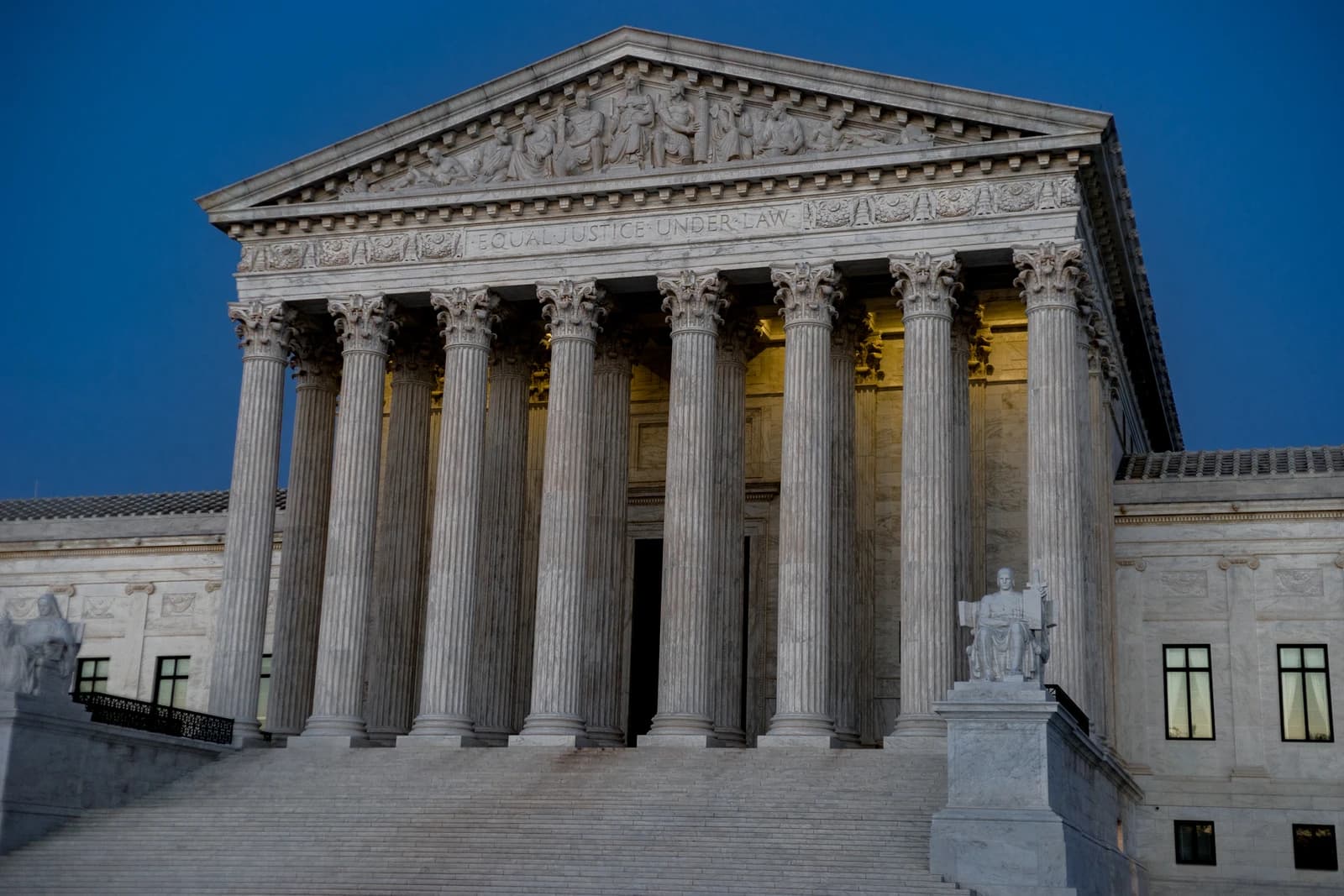
Trump’s administration has asked the US Supreme Court to keep hundreds of thousands of Venezuelans from regaining Temporary Protected Status, turning an immigration fight into an immediate test of executive authority and deportation enforcement.
Supreme Court TPS Case on Venezuelans and Work Permits
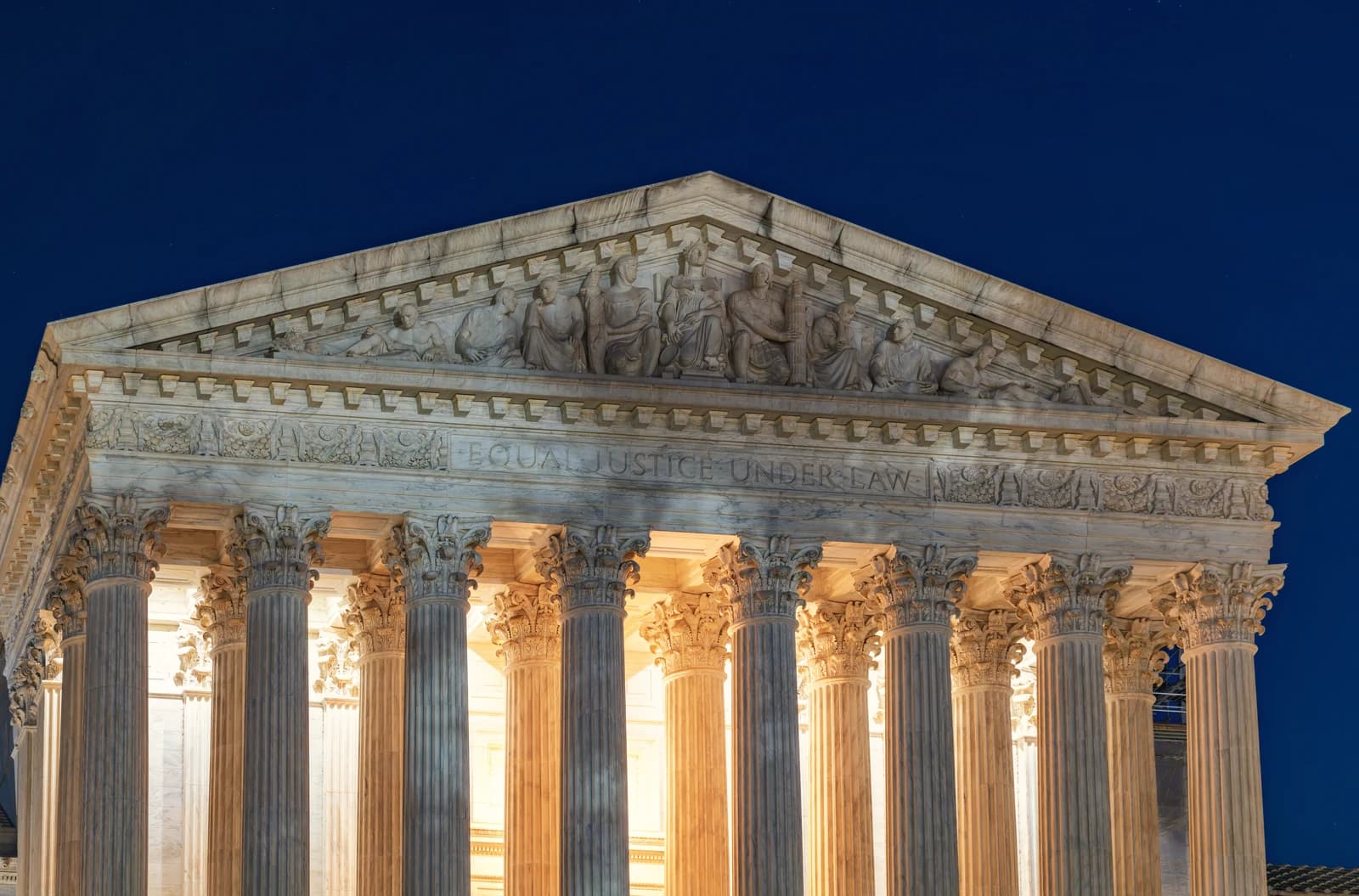
The filing matters economically because TPS is not only a humanitarian shield; it also determines whether affected migrants can keep working legally in the US. Stripping or restoring the status can change labor supply in industries that rely on immigrant workers, while also shaping federal enforcement costs and the scope of deportation proceedings.
Sentiment Indicators
In its emergency request, the Justice Department argued that a lower-court order requiring the government to restore TPS would force the release of about 1,800 Venezuelans currently in immigration detention and complicate ongoing deportations. The current Supreme Court pause on the lower-court ruling expires next Friday, creating a near-term deadline that could force the justices to either extend the stay or let the restoration order take effect.
The administration is trying to overturn a ruling by the Ninth Circuit that upheld a lower-court finding in National TPS Alliance v. Mullin, where a judge said Homeland Security Secretary Kristi Noem exceeded her authority by ending a prior extension of TPS for Venezuela. TPS grants deportation protection and work authorization, so restoring it would immediately affect both immigration status and employment rights for a large population of Venezuelans living in the United States.
For investors, the case is less about direct market pricing than about what it says on immigration policy, labor availability and the courts’ willingness to curb or preserve broad executive action. A ruling favoring Trump would reinforce a harder-line approach that could tighten labor supply at the margin in sectors dependent on immigrant workers, while a loss would preserve legal work authorization for a group large enough to matter to employers in low-wage service, hospitality and food-service businesses.
The broader backdrop is a political climate in which immigration remains a high-stakes economic issue as much as a legal one. Adalytica’s US Congressional Gridlock Sentiment gauge shows fear rising sharply, underscoring how quickly these disputes can spill into policy uncertainty, while global stability sentiment remains in extreme fear territory.
The Supreme Court’s next move will determine whether the government can continue blocking restoration of TPS while the broader case works through the courts, or whether Venezuelans covered by the ruling regain protection and work permits in the near term.
| Entity | Gains | Losses |
|---|---|---|
| Trump administration | ▲Deportation leverage | ▼Federal enforcement flexibility |
| Venezuelan TPS holders | ▲Work authorization | ▼Deportation protection |
| Employers reliant on immigrant labor | ▲Status quo certainty | ▼Labor disruption risk |
| Immigrant rights groups | ▲If TPS restored | ▼If Supreme Court sides with Trump |