The Swiss National Bank was caught off guard by a recent rise in inflation that has pushed Swiss price growth to a near three-year high and strengthened bets on a December rate increase.
Swiss inflation rises, boosting December SNB hike bets

SNB President Martin Schlegel told Handelszeitung the pickup in inflation had surprised policymakers, underscoring how quickly the outlook has shifted in a country long associated with price stability. Swiss consumer prices rose 1.5% from a year earlier in October, the highest pace in almost three years, as energy costs and import prices fed through to the economy.
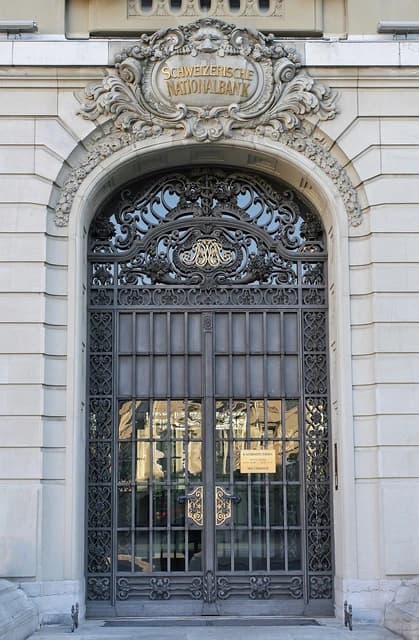
Sentiment Indicators
For investors, the shift matters because it changes the policy mix in one of the world’s most defensive currencies. A more hawkish SNB would tend to support the franc, which has remained a safe-haven currency even as the Swiss franc fund FXF has struggled to keep pace with broader haven flows this year. The fund was last at 107.27, below its 200-day average of 110.32, though it remains above its 50-day moving average, suggesting the market has stabilized even as it digests the prospect of tighter policy.
The move also raises the stakes for bond markets. Swiss inflation expectations have become more sensitive to second-round effects, meaning that wage and price-setting behavior could start to reinforce the initial shock from higher imported costs. That dynamic is what central banks fear most: a temporary energy-driven spike becoming embedded in domestic pricing.
Long-term Inflation Expectations vs FXFadalytica.com
Explore this data interactively — full history, time series and cross-market comparisons.
Schlegel’s comments come as global policymakers again face a world where inflation is not fully subdued. In the U.S., the two-year Treasury yield has risen to around 4.5% and the 10-year to roughly 4.8%, levels that keep global financing conditions tight and complicate the Swiss outlook through currency and import-price channels. Reuters’ market data also show confidence in the Federal Reserve’s 2% inflation target has weakened over the past week, a reminder that disinflation remains fragile across developed markets.
For the SNB, the immediate question is whether October’s price jump is a one-off or the start of a broader re-acceleration. The central bank has spent much of the past year leaning against franc strength to prevent imported deflation; now it must balance that against the risk that inflation proves stickier than expected. If the data keep firming, a December hike would not just be a symbolic move for the SNB — it would mark a shift from defensive vigilance to pre-emptive tightening.
| Entity | Gains | Losses |
|---|---|---|
| Swiss franc | ▲Hawkish support | ▼Borrowers/importers |
| SNB policymakers | ▲Credibility if they tighten | ▼Flexibility to keep rates low |
| Swiss savers | ▲Higher yields ahead | ▼Consumers facing pricier imports |
| FXF holders | ▲Less downside if franc strengthens | ▼Near-term if policy stays cautious |