More unemployed salespeople in Switzerland’s retail trade will now have to be routed through regional job centers after the occupation’s unemployment rate rose above 5%, a move that underscores how weaker consumer demand and restructuring are still pressuring the sector.
Switzerland Retail Sales Unemployment Tops 5%
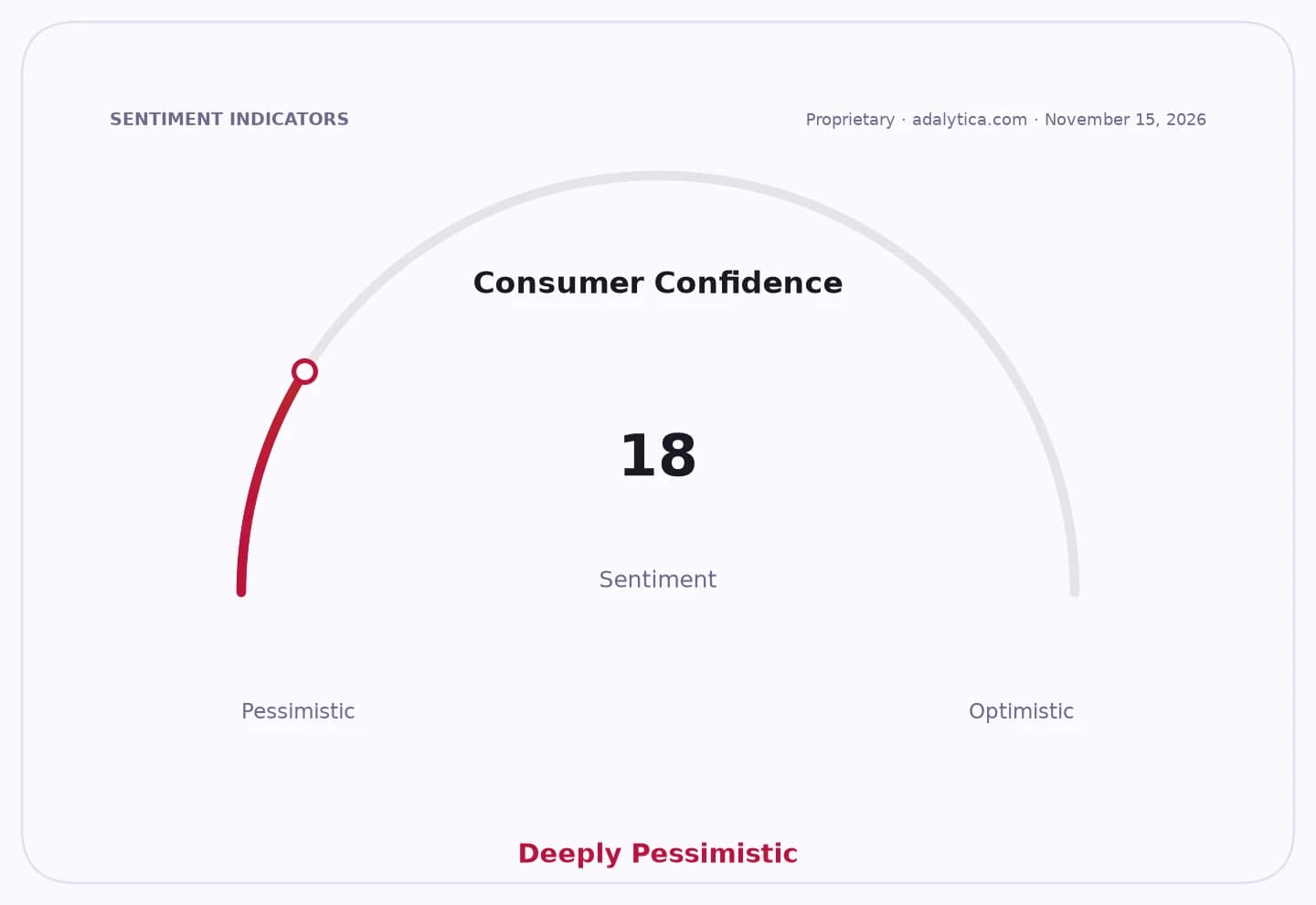
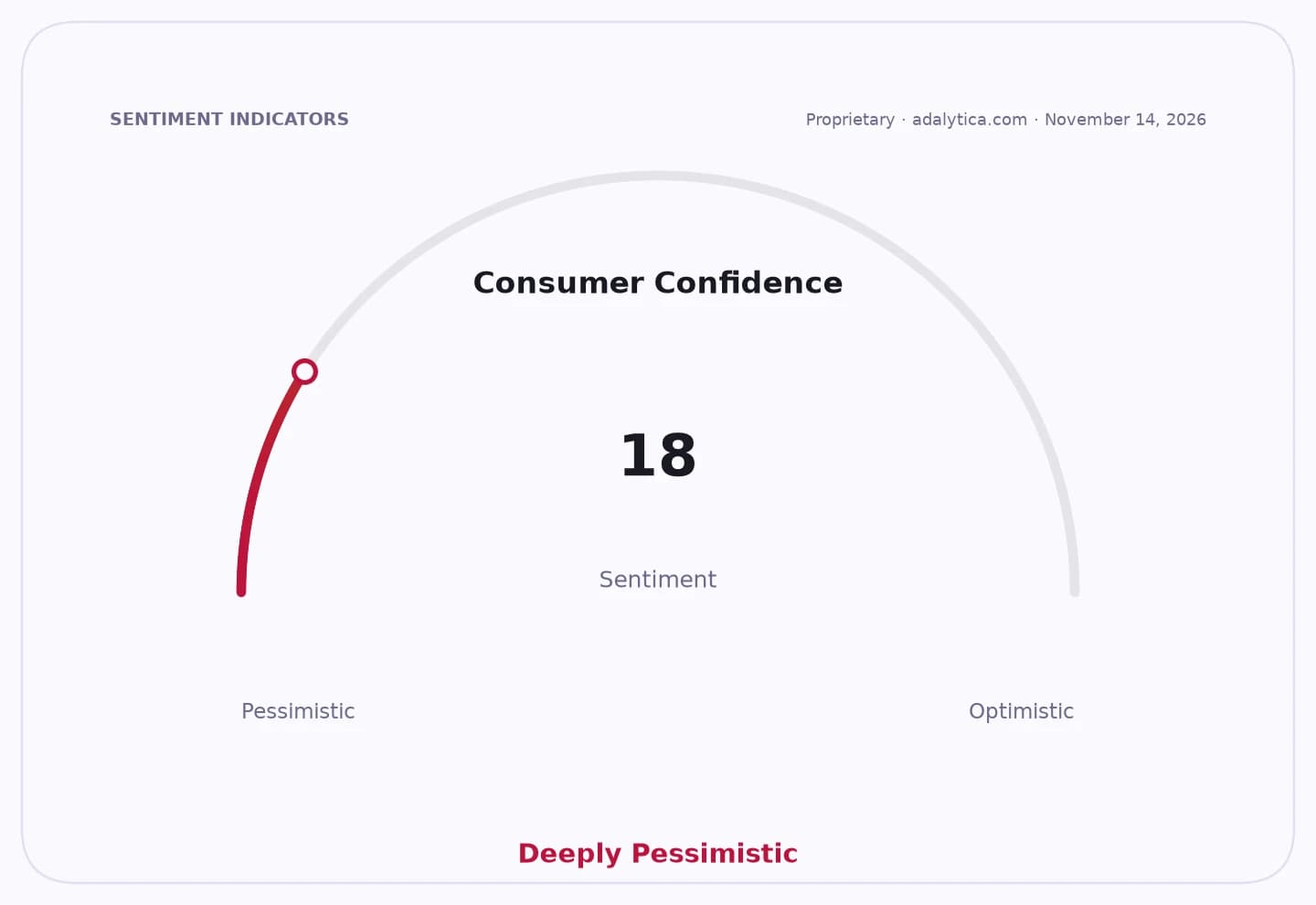
Consumer Confidence
The policy shift matters because it turns a labour-market deterioration into an administrative obligation for employers. Under Switzerland’s job-notification rule, vacancies in the affected occupation must first be reported to regional employment centers before they can be publicly advertised, giving jobseekers early access to openings and limiting immediate access to foreign applicants. For retailers, especially smaller shops and non-food sellers, it adds friction at a time when the industry is already contending with thinner demand and cost pressure.
Sentiment Indicators
The Swiss State Secretariat for Economic Affairs said the average unemployment rate for sales staff has climbed from 4.8% to 5.3% over the past 12 months. That breach of the 5% threshold automatically triggers the reporting requirement. Officials argue the measure has helped thousands of jobseekers by creating at least a five-day window in which vacancies are visible only to domestic candidates.
The underlying weakness is not just cyclical. Seco’s Jérôme Cosandey linked the rise to geopolitically driven caution in consumer spending, noting that households keep buying essentials such as pasta, bread and milk, but defer purchases of clothing and luxury goods when uncertainty rises. The labour union Syna says the problem is concentrated in non-food retail and smaller stores, and points to wider restructuring in the sector: retail employment has fallen by about 7,000 jobs over the past two years.
That makes the policy relevant beyond Switzerland’s labour market. Retail hiring tends to be a leading indicator of discretionary spending, and a rise in unemployment among sales staff suggests consumers are still prioritizing staples over higher-margin discretionary items. For employers, the measure may slightly slow hiring and raise compliance costs; for jobseekers, it can improve access to vacancies before broader competition sets in.
Retailers are pushing back. Swiss Retail Federation director Patrick Erny called the requirement unnecessary bureaucracy and said it had failed to materially improve local labour utilization or curb labour inflows. The broader economic trade-off is clear: policymakers want to preserve domestic employment and reduce churn, while retailers want flexibility in a sector already dealing with restructuring, tighter margins and uneven demand.
For investors, the message is less about the rule itself than what it says about the health of consumer demand. Persistent pressure on non-food retail employment argues for caution on discretionary sales exposure, while essential-goods and value-oriented formats remain comparatively better insulated. If uncertainty persists, Swiss retailers could face further job losses before the labour market stabilizes.
| Entity | Gains | Losses |
|---|---|---|
| Jobseekers in retail sales | ▲Earlier access to vacancies | ▼Slower job matching |
| Regional employment centers | ▲More vacancy flow | ▼More administrative load |
| Retailers, especially non-food stores | ▲Limited domestic hiring pool | ▼Extra compliance costs |
| Essential-goods retailers | ▲More resilient demand | ▼Less exposure to discretionary spend |