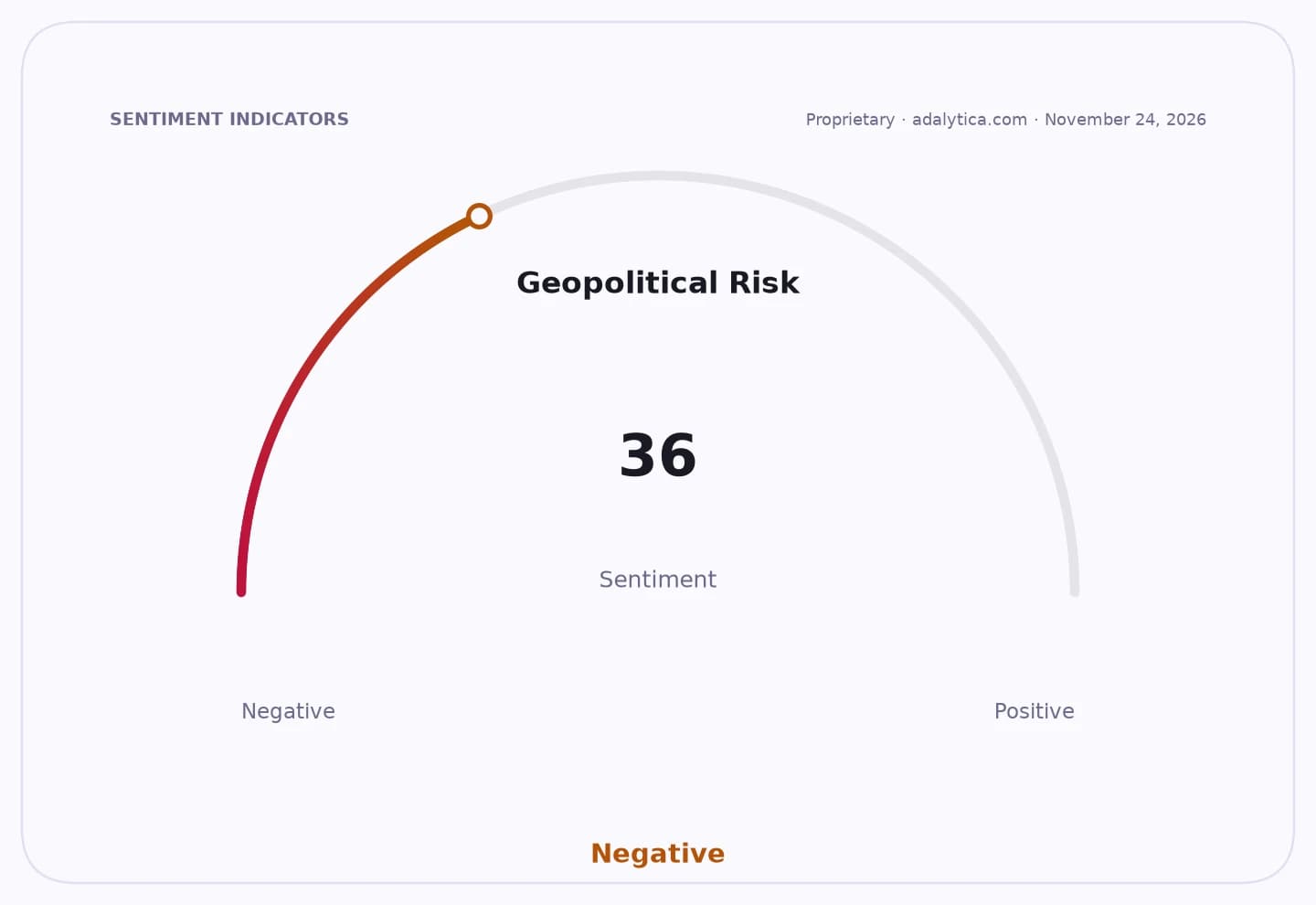
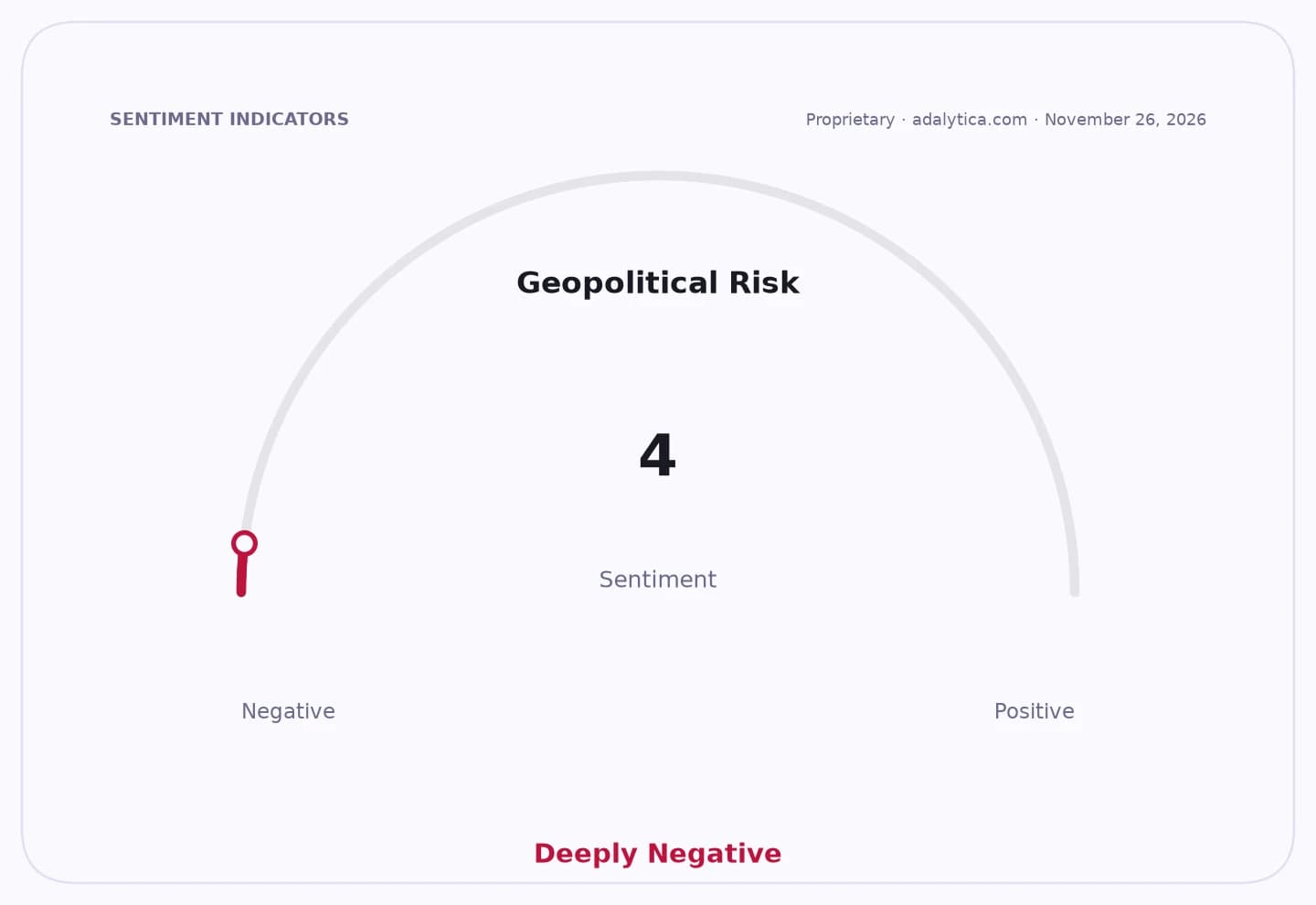
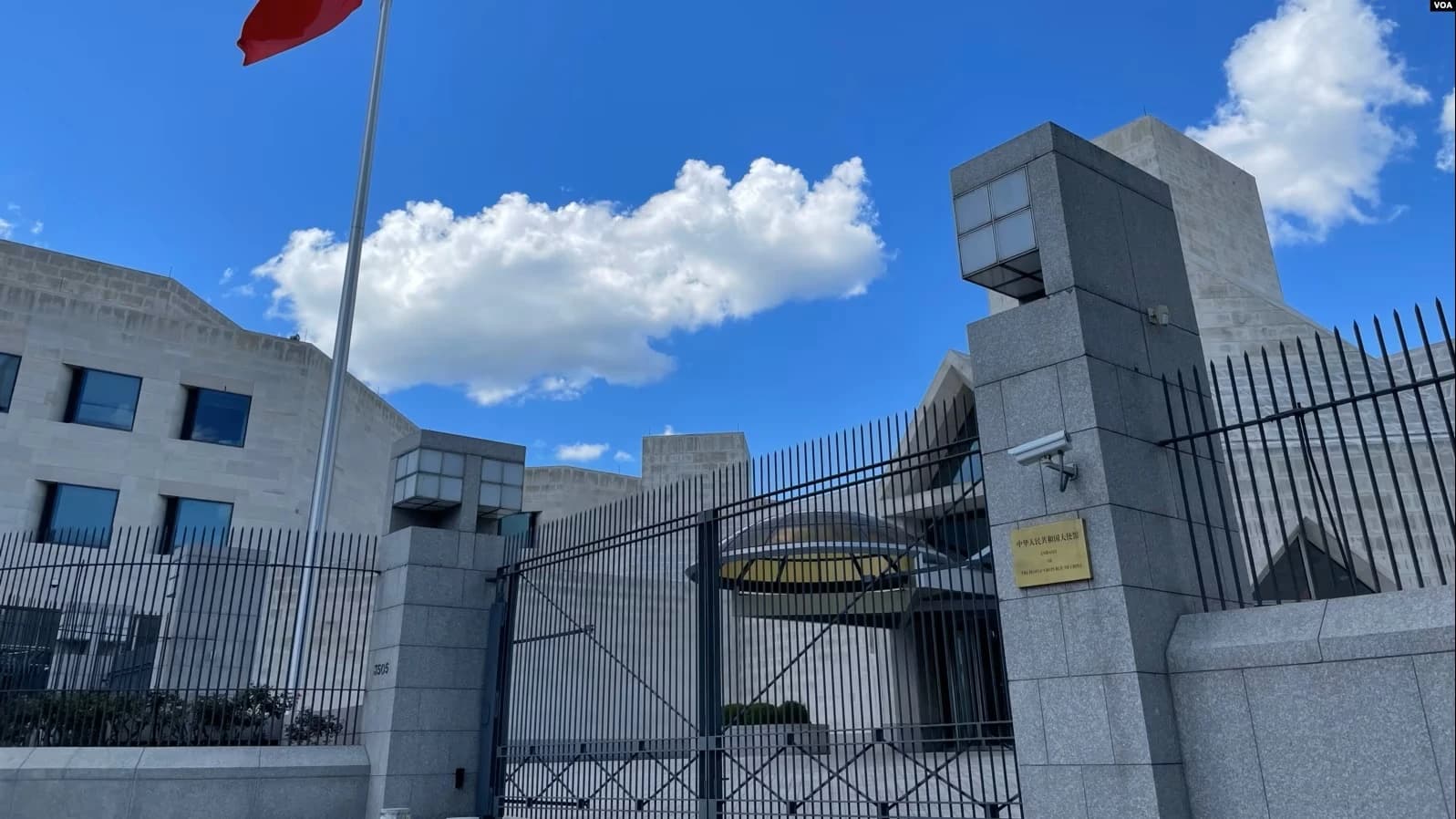
Taiwan’s warning that China is trying to interfere in its local elections is more than a campaign-season talking point: it is a reminder that cross-strait risk is now a live political variable with economic and market consequences for the world’s most important chip supply chain.
Taiwan election interference raises TSMC, EWT risk
The immediate issue is not just who wins in the November 26 vote, but whether Taiwan can defend the credibility of its democratic institutions against coercion, disinformation and AI-generated deepfakes. That matters because any perception that Beijing can shape the island’s politics would deepen risk premia on Taiwan assets, raise pressure on the government in Taipei and complicate relations with Washington at a time when semiconductors remain central to global technology investment.
Sentiment Indicators
For investors, the stakes are largest in and around Taiwan Semiconductor Manufacturing Co. and the broader Taiwan equity complex. TSMC’s stock has fallen sharply from a recent peak, sliding to $342.34 on Nov. 25 from $476.29 on June 30, while the iShares MSCI Taiwan ETF, EWT, has also weakened to $83.48 from $108.61 over the same period. Those moves reflect more than ordinary volatility. The 50-day moving average for both has rolled over, and momentum indicators have deteriorated, showing a market that is already demanding a higher geopolitical discount.
That discount is easy to understand. Taiwan sits at the center of the global AI and advanced manufacturing boom, but it is also one of the few places where geopolitics can instantly disrupt supply, sentiment and capital flows. A more unstable political environment, even one driven by election interference rather than military escalation, can still affect foreign portfolio allocation, insurance costs, trade confidence and the premium investors demand for semiconductor exposure.
US-China Relations — 30-day sentimentadalytica.com
Explore this data interactively — full history, time series and cross-market comparisons.
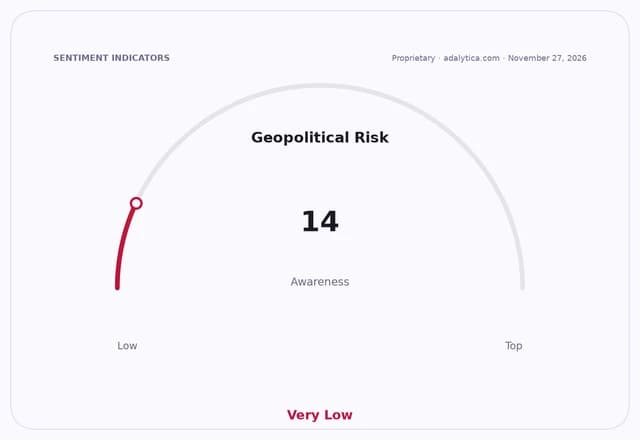
The broader market signal is just as clear. Global risk sentiment around US-China relations has collapsed to “Extreme Fear” in Adalytica’s CN-USRX gauge, while its global stability measure is also in “Extreme Fear” territory. That is exactly the backdrop in which Taiwan’s vote matters most: when markets are already skittish, even a localized political flashpoint can reverberate through tech shares, emerging-market funds and defense-adjacent supply chains.
The election itself is a barometer for Taiwan’s ruling pro-US, anti-China administration, but the investable story is bigger than party politics. If the government can blunt interference and keep the vote orderly, it strengthens Taiwan’s institutional resilience and supports the long-term thesis that the island remains the indispensable hub of advanced chipmaking. If the campaign is instead dominated by disinformation and intimidation, investors will be forced to price a more persistent geopolitical overhang.
That is why this is not a headline to fade. The market underestimates how quickly political interference risk can become valuation risk in a place like Taiwan. For long-term investors, the right response is not to abandon the theme, but to stay selective: favor companies with direct exposure to AI infrastructure and chip demand, while recognizing that Taiwan-related assets may stay volatile as election risk, cross-strait tensions and information warfare intensify.
| Entity | Gains | Losses |
|---|---|---|
| Taiwan government | ▲Legitimacy if vote is protected | ▼Credibility if interference succeeds |
| TSMC | ▲Long-term AI demand | ▼Geopolitical risk premium |
| EWT holders | ▲Potential rebound if stability holds | ▼Near-term volatility |
| China | ▲Influence if meddling works | ▼Diplomatic backlash |