An hour-long blackout at Taiwan’s Executive Yuan has turned into a political fight over whether the island’s government is prepared for disruptions at a time of rising security and infrastructure stress.
Taiwan Executive Yuan blackout sparks resilience debate
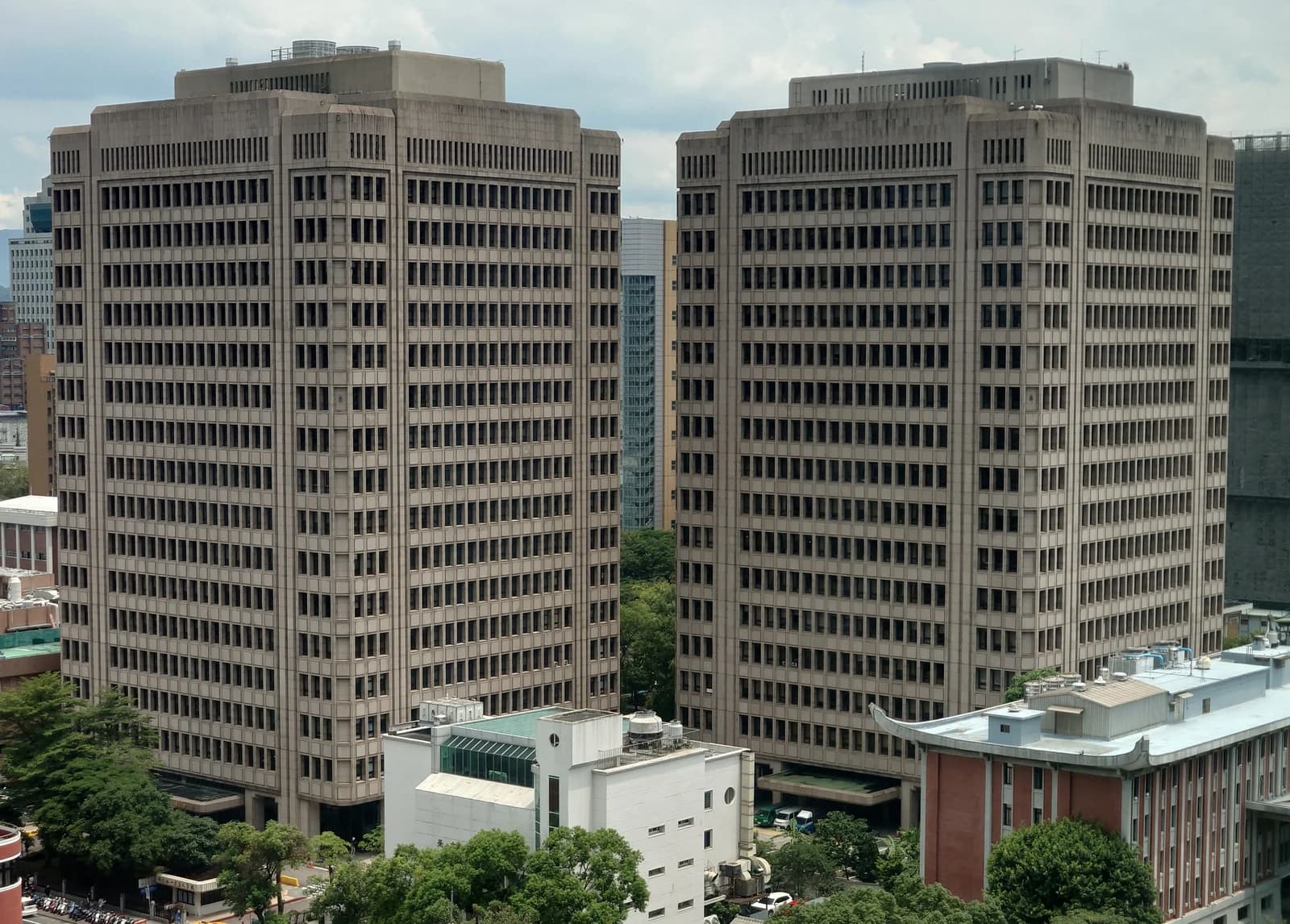
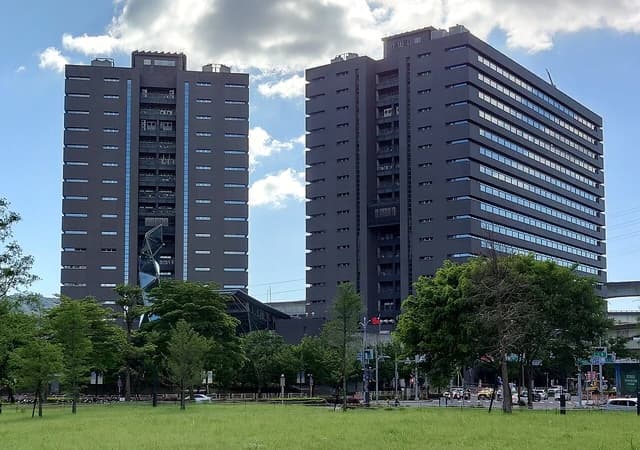
The outage, which hit the Cabinet building yesterday morning, gave Chinese Nationalist Party lawmakers fresh ammunition to attack the administration’s “urban resilience” messaging, while officials said the disruption stemmed from equipment that is about 30 years old and a replacement budget stuck in the legislature. For investors and businesses watching Taiwan’s ability to keep government, industry and critical services running, the dispute goes beyond a light flickering on in one building: it exposes how aging infrastructure and budget gridlock can complicate resilience plans in a place already under military pressure from China.
Sentiment IndicatorsⓘProprietary · adalytica.com · August 7, 2026
This is a snapshot — live sentiment, awareness and momentum for 130+ markets update continuously in the dashboard.Open AlphaPulse
That matters economically because Taiwan sits at the center of global semiconductor supply chains, and any perception that core infrastructure is underfunded or slow to modernize can feed concerns about operational continuity, emergency preparedness and the cost of doing business on the island. The timing is also sensitive: Taiwan is holding annual military drills while China steps up activity around the island, and Washington is reportedly finalizing a $14 billion arms package to bolster Taiwan’s air defenses and missile systems.
The outage also lands in a market environment that remains sensitive to geopolitical risk. Taiwan equities have been volatile, with the market recovering after a sharp summer pullback, while broader risk appetite in global stocks and the U.S. dollar remains elevated. In that setting, any new evidence of governance friction or infrastructure fragility can reinforce a risk premium for Taiwan assets, even if the immediate incident has no direct market impact.
The Cabinet’s explanation shifts the debate toward capital spending and legislative deadlock, not just politics. For the opposition KMT, the blackout is a chance to frame the government as failing on basic resilience; for the ruling camp, it is a reminder that modernization plans can stall when budgets do.
Investors will be watching whether the episode accelerates pressure for infrastructure replacement spending, and whether it becomes part of a broader narrative about Taiwan’s readiness to absorb shocks from war risk, energy strain or cyber disruption. The bigger question is whether a one-hour outage becomes a one-day controversy or a warning that resilience spending remains too slow for the environment Taiwan now faces.
| Entity | Gains | Losses |
|---|---|---|
| KMT lawmakers | ▲Political leverage | ▼Government credibility |
| Cabinet / Executive Yuan | ▲None immediate | ▼Public confidence |
| Taiwan infrastructure spend | ▲Renewed urgency | ▼Budget delay risk |
| Taiwan investors | ▲Closer scrutiny of risks | ▼Higher resilience premium |