Taiwan’s legislature has approved a NT$20,000 cash payout for every citizen, a move that could force the central government to borrow more than NT$300 billion and sharpen the political battle over fiscal discipline ahead of local elections.
Taiwan legislature approves NT$20,000 cash payout
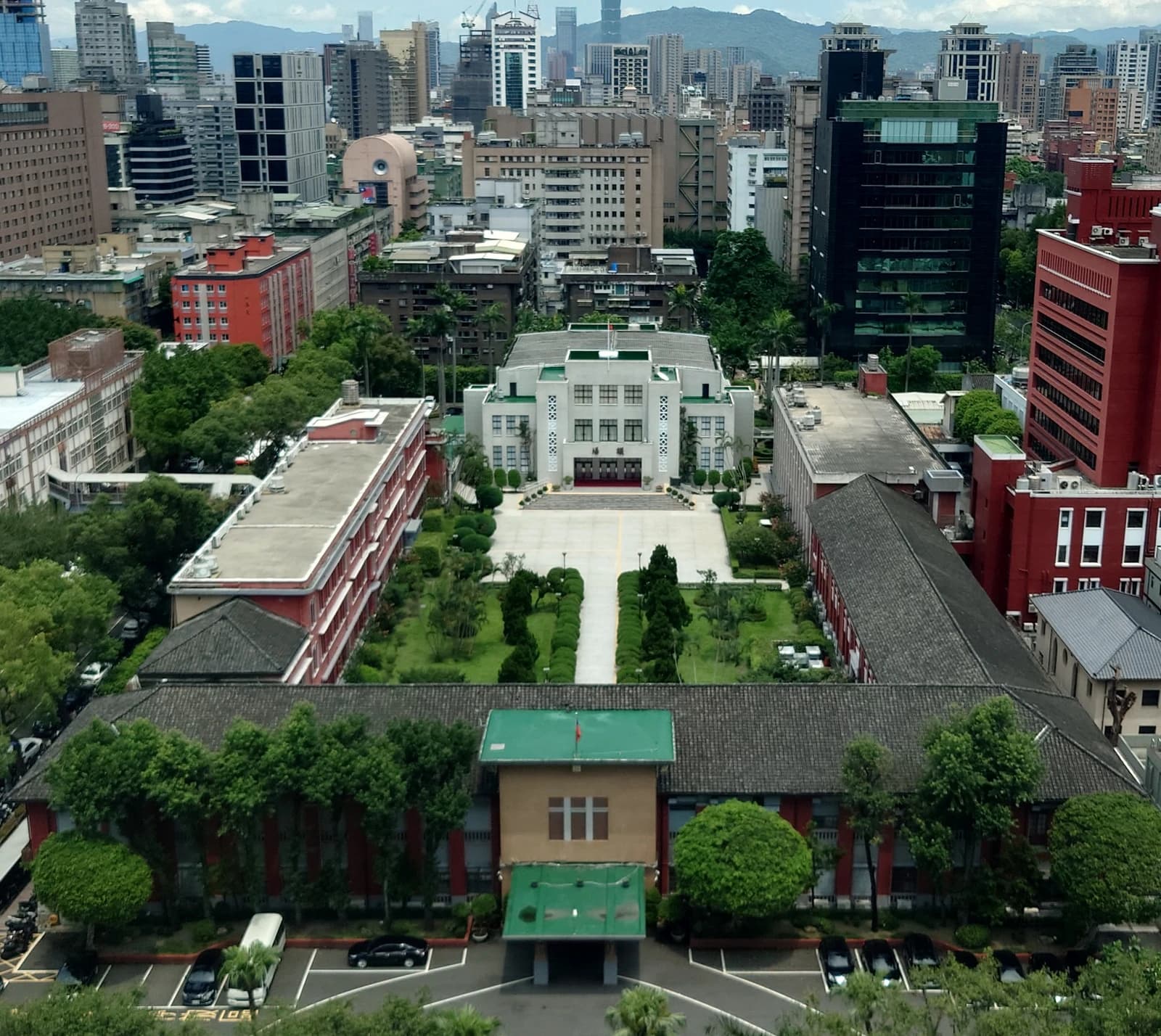
The third-reading vote passed 50-46 despite opposition from the Taiwan People’s Party, underscoring how closely divided the legislature remains and how quickly fiscal policy has become a campaign weapon. The ruling Democratic Progressive Party was hurt by the absence of several lawmakers, allowing the Kuomintang to push through a bill that doubles President William Lai’s earlier NT$10,000 proposal.
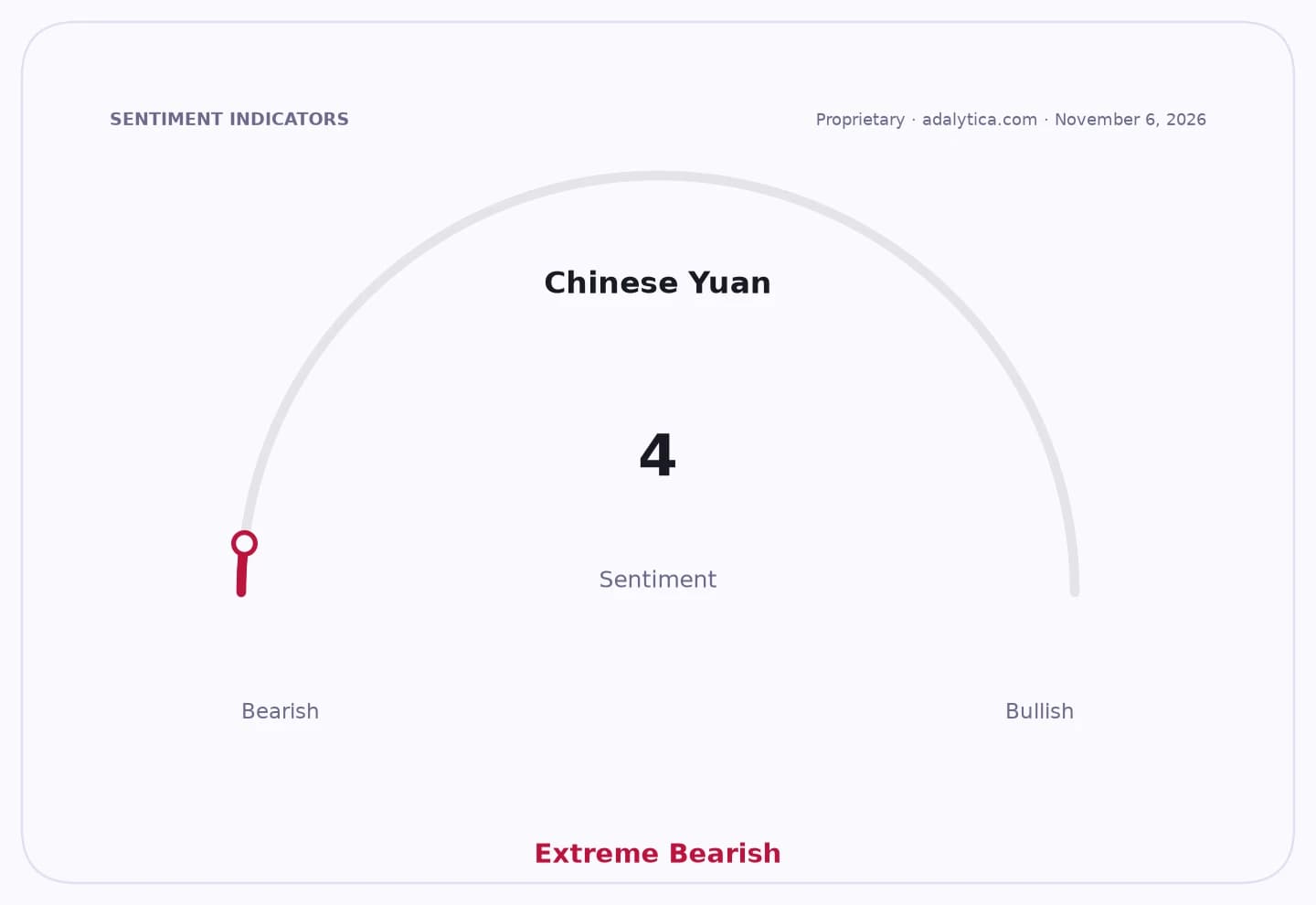
Sentiment Indicators
The economic significance is immediate: the handout would add a sizable financing burden at a time when the central government’s room to maneuver is already shrinking. DPP caucus whip Chuang Jui-hsiung said the measure would require NT$385.7 billion in debt, arguing that recent revenue-sharing changes had already shifted about NT$460 billion of this year’s budget gain to local governments, leaving Taipei with less fiscal flexibility. With the year’s surplus now below NT$100 billion, the central government would likely need to tap borrowing markets rather than fund the payout from existing resources.
For investors, the bill raises questions about Taiwan’s fiscal trajectory, sovereign funding needs and the durability of policy support for consumption. A one-off cash transfer can provide a near-term boost to household spending, but it also risks crowding out longer-term spending priorities if the government must finance it with debt. The debate also matters for bond investors watching Taiwan’s balance between populist fiscal measures and a still-favorable but narrowing public-finance position.
The vote also illustrates how domestic politics is increasingly shaping the policy outlook. The KMT’s success came just days before the nine-in-one local elections, reinforcing DPP claims that the cash payout is as much about voter mobilization as macroeconomic management. The TPP’s opposition suggests there is no clean cross-party consensus for using the state’s balance sheet as a pre-election cash machine, even if the legislature’s arithmetic allowed the bill through.
The broader backdrop is one of heightened pressure on Taiwan from both internal and external fronts. The same day, authorities reported Russian military aircraft near Taiwan’s air defense identification zone and Japan said it lodged a protest after aircraft believed to be Russian entered its airspace. That mix of security tension and fiscal looseness may keep investors focused on whether Taipei can maintain policy credibility while managing political and geopolitical stress.
For markets, the immediate question is whether the payout becomes law in full or is amended in implementation, and how the government chooses to finance it. If enacted as passed, the handout would be a short-term consumer stimulus but a longer-term test of fiscal restraint at a time when Taiwan is already balancing defense needs, economic support and election-year politics.
| Entity | Gains | Losses |
|---|---|---|
| KMT | ▲Policy win; election momentum | ▼Fiscal credibility risk |
| Households | ▲NT$20,000 cash boost | ▼Future tax or debt burden |
| Central government | ▲Short-term political credit | ▼Larger borrowing need |
| DPP/TPP fiscal hawks | ▲Political argument for restraint | ▼Influence over outcome |