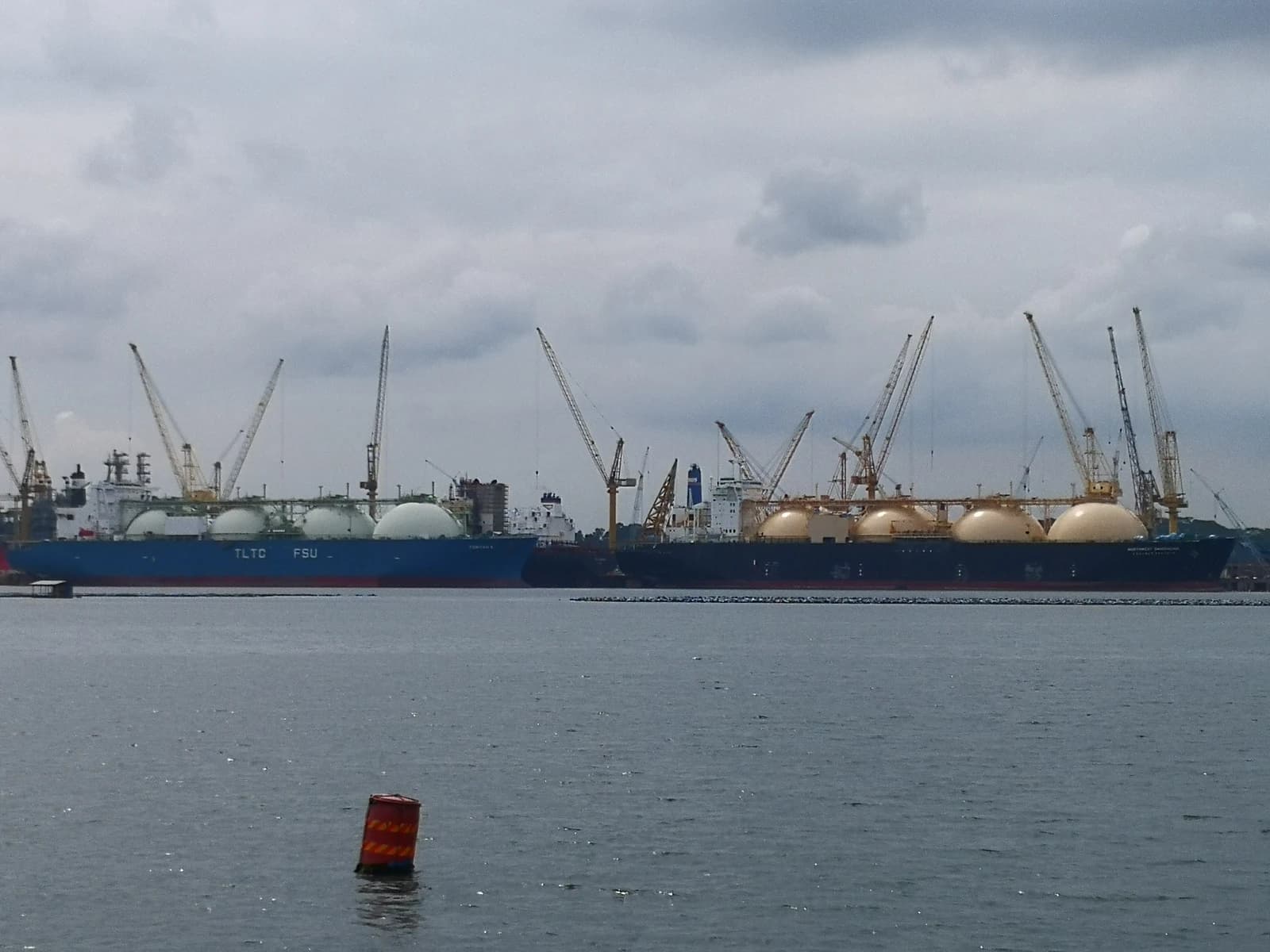
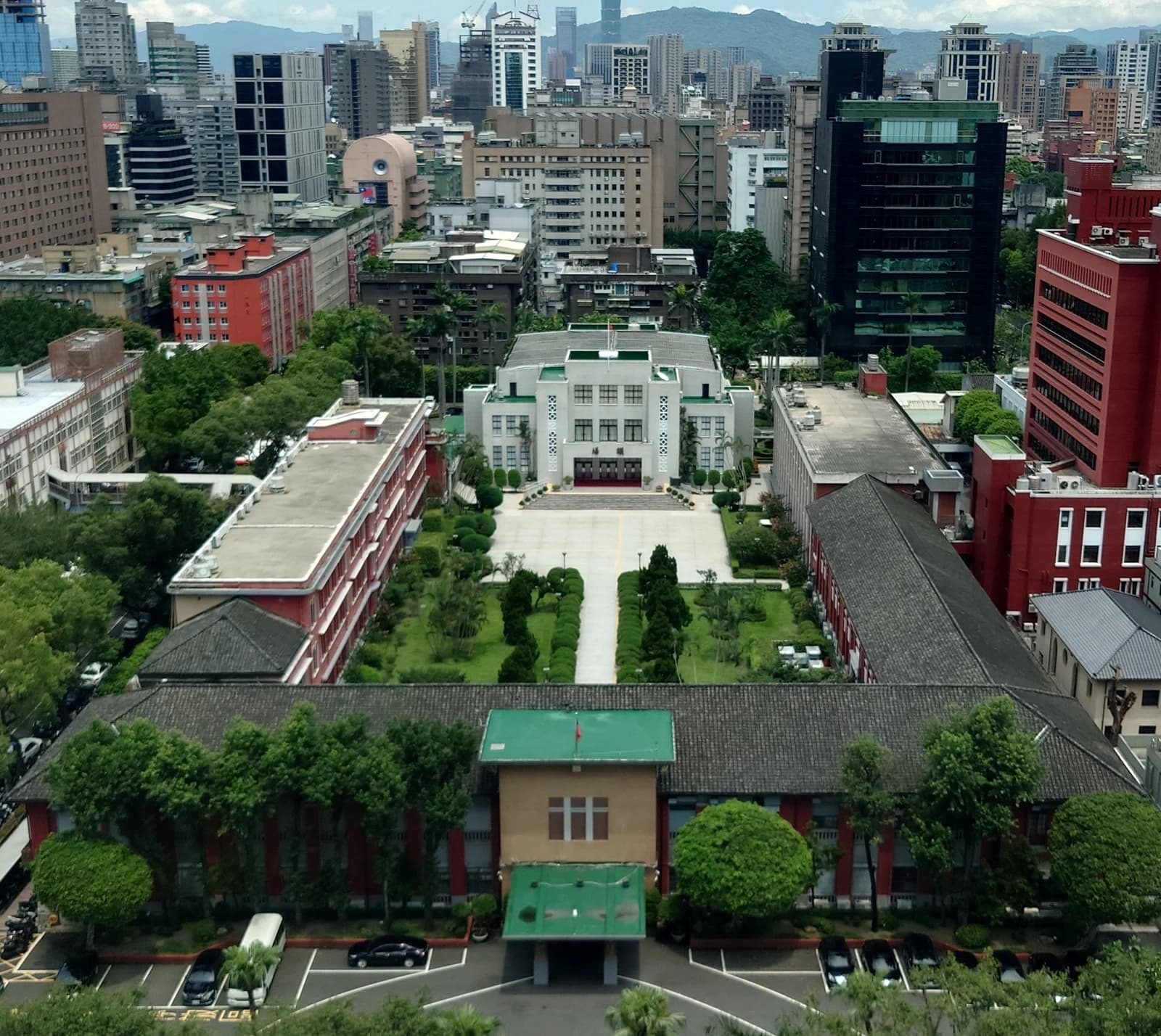
Papua New Guinea has lost a major LNG buyer after Taiwan was forced to shut its office in Port Moresby, a move that underscores how diplomatic realignment with Beijing can quickly spill into trade, revenue and strategic infrastructure decisions.
Papua New Guinea loses Taiwan LNG spot demand
Former prime minister Peter O’Neill said Taiwan’s state-owned oil company had been buying about 1.2 million tonnes a year under a 20-year contract signed in 2010, plus as much as another 500,000 tonnes on the open market. That extra spot buying, he said, has now stopped — removing roughly K1.5 billion a year in revenue for PNG at a time when the country is leaning on LNG exports and fresh Chinese financing to support growth.
For a resource-dependent economy with narrow fiscal buffers, the loss matters because LNG is one of PNG’s biggest hard-currency earners. Fewer spot cargoes not only trim export receipts, but can also weaken bargaining power in future gas sales and reinforce the country’s dependence on larger counterparties. O’Neill framed the decision as a poor trade-off, arguing that Taiwan’s withdrawal came in exchange for just K191 million in visible commitments from a broader K5 billion package announced with China.
The political economy is equally important for investors. O’Neill said the government ordered Taiwan’s office closed after a memorandum of understanding with China, and he warned that a proposed Chinese-backed national telecom network could put critical infrastructure in foreign hands without parliamentary scrutiny. That raises questions about governance, procurement transparency and the terms of any associated borrowing — issues that can affect sovereign risk, project execution and the pricing of future infrastructure finance.
The episode also highlights the broader strategic competition between Beijing and Taipei in the Pacific, where aid, loans and market access are increasingly intertwined. Taiwan has long used its Port Moresby office not only for trade, but also for medical missions, technical assistance and scholarships. Losing those links may bring immediate fiscal and diplomatic gains for PNG, but it also narrows its options at a moment when it is seeking investment to underpin new gas projects and wider economic development.
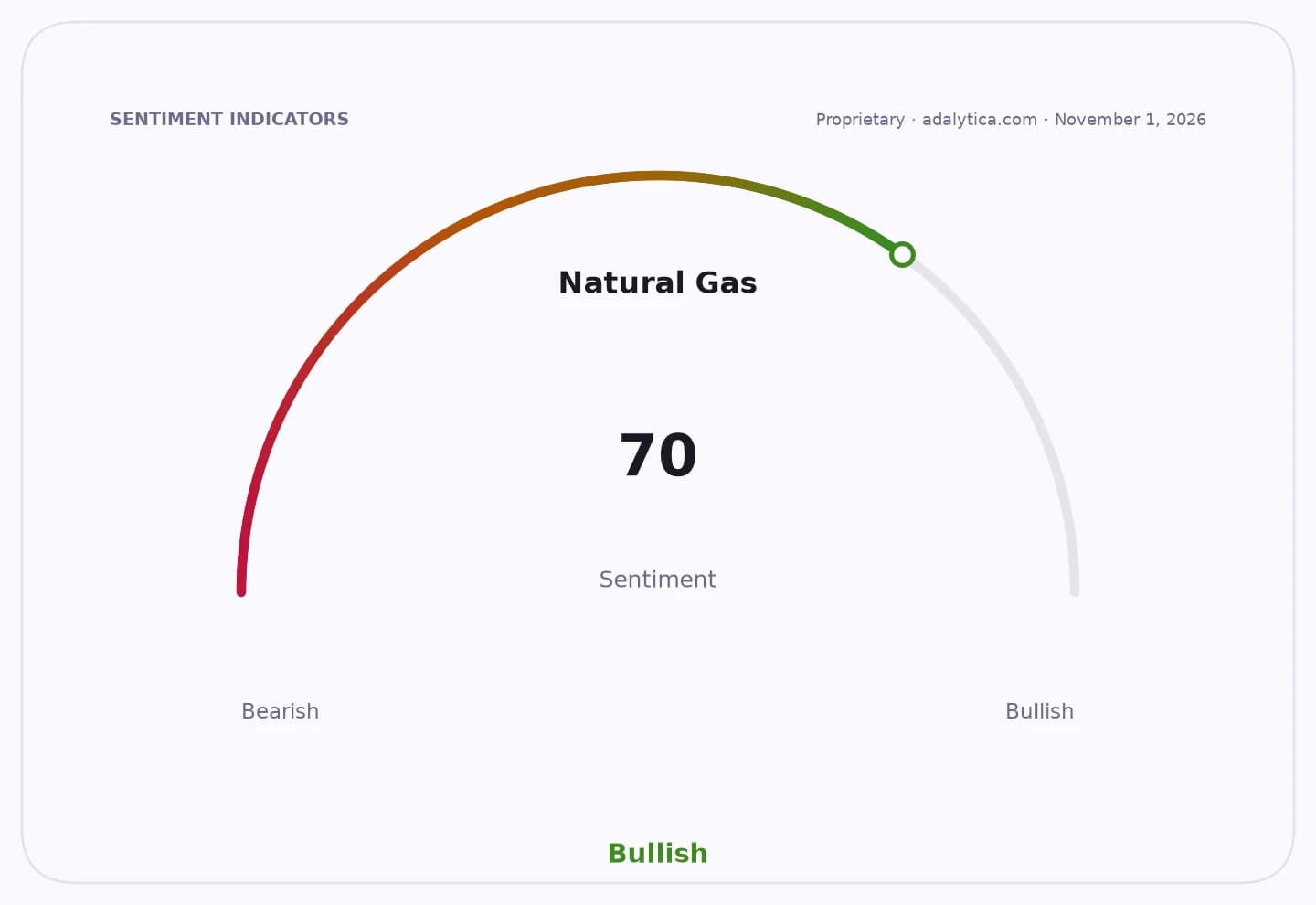
For energy investors, the key question is whether PNG can replace the lost demand through other buyers or new LNG projects fast enough to offset the revenue hit. If not, the country may become even more reliant on large bilateral deals and state-backed financing, a pattern that can support near-term funding but leave longer-term economic and political costs.
| Entity | Gains | Losses |
|---|---|---|
| PNG government | ▲Chinese grants/loans | ▼Taiwanese LNG demand |
| Taiwan | ▲Preserved foreign policy stance | ▼PNG office access |
| China | ▲Strategic influence | ▼— |
| LNG exporters | ▲Possible new project backing | ▼Spot sales revenue |