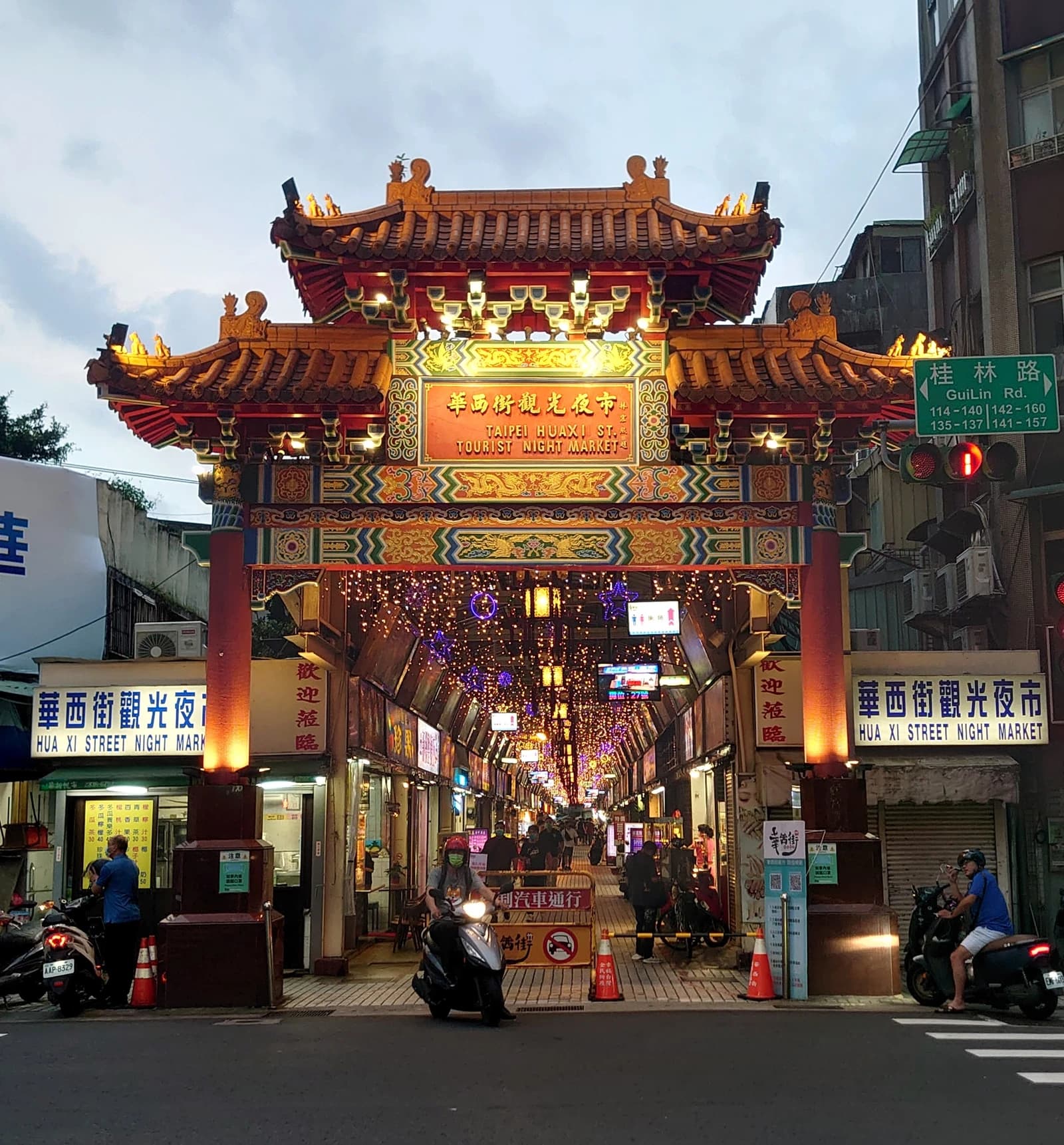
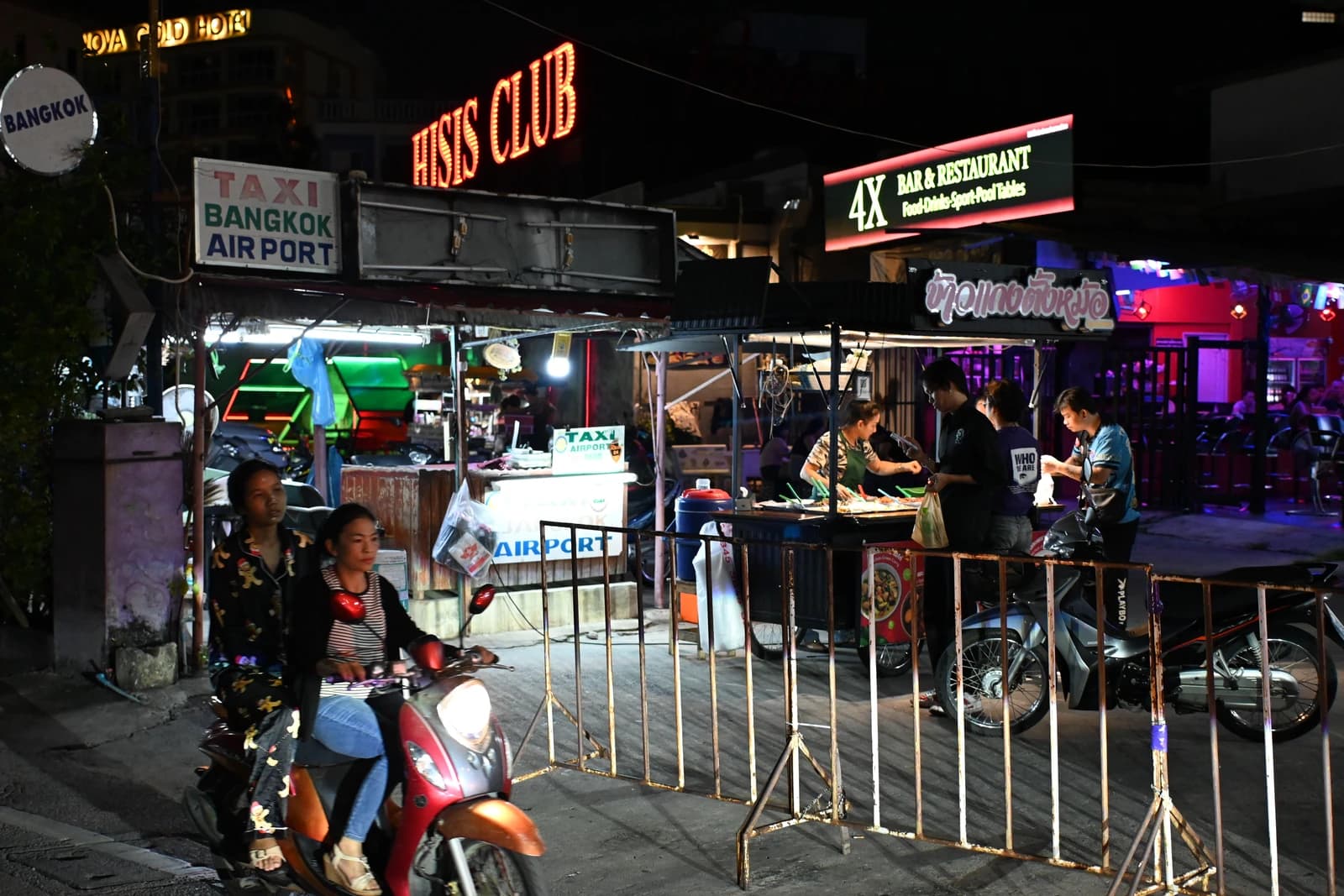
China’s state-linked media are sharpening criticism of the safety and quality of Taiwan tour packages, a move that could affect one of the island’s most politically sensitive service sectors just as visitor numbers are expected to top 2 million this year.
Taiwan Tour Packages Face China Media Criticism
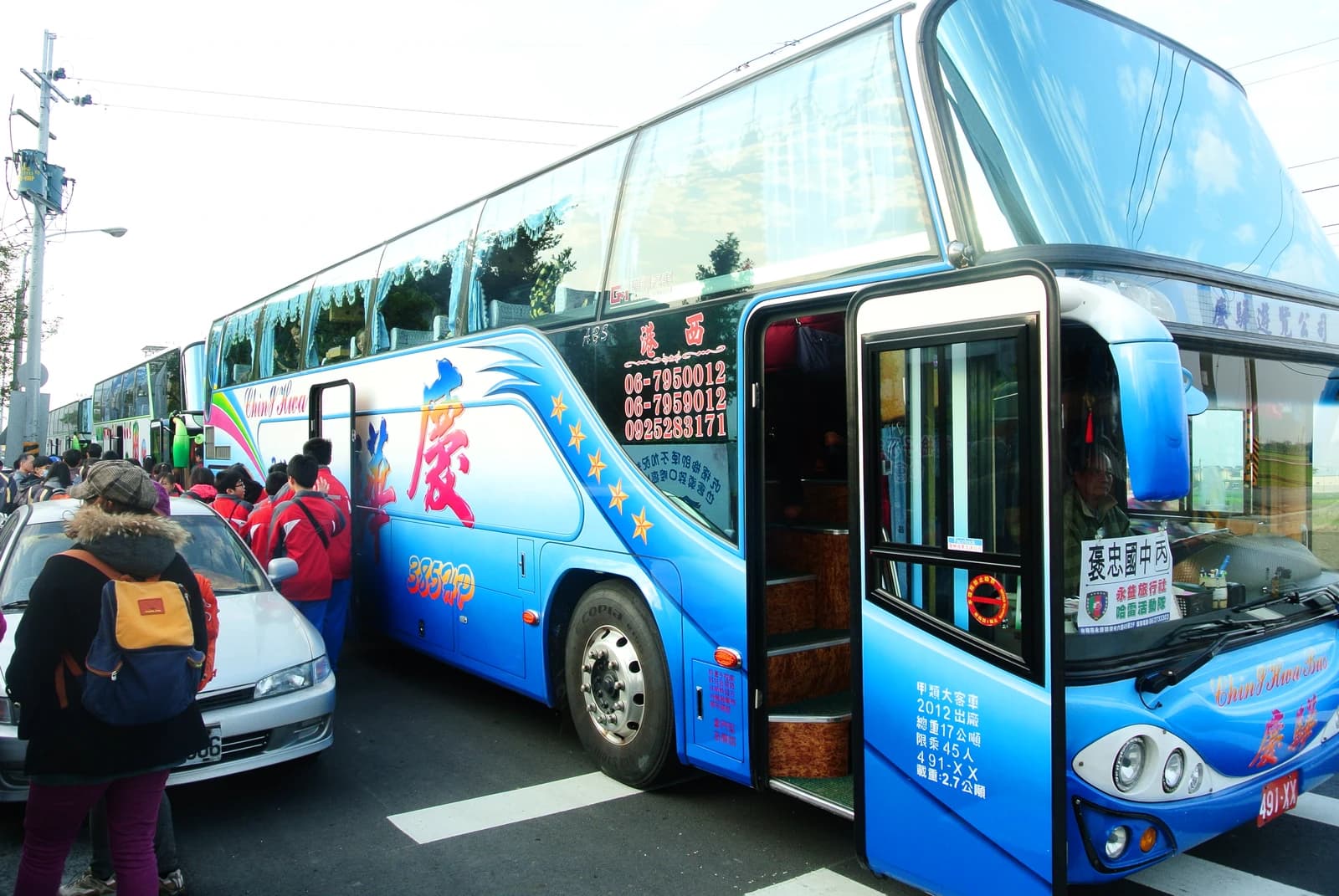
The immediate significance is not just about bus accidents or shopping stops. It is about how travel has become a proxy battleground in cross-strait relations, with Beijing able to influence demand by amplifying concerns over standards while Taiwan’s tourism industry tries to defend a business that still depends heavily on mainland group travel.
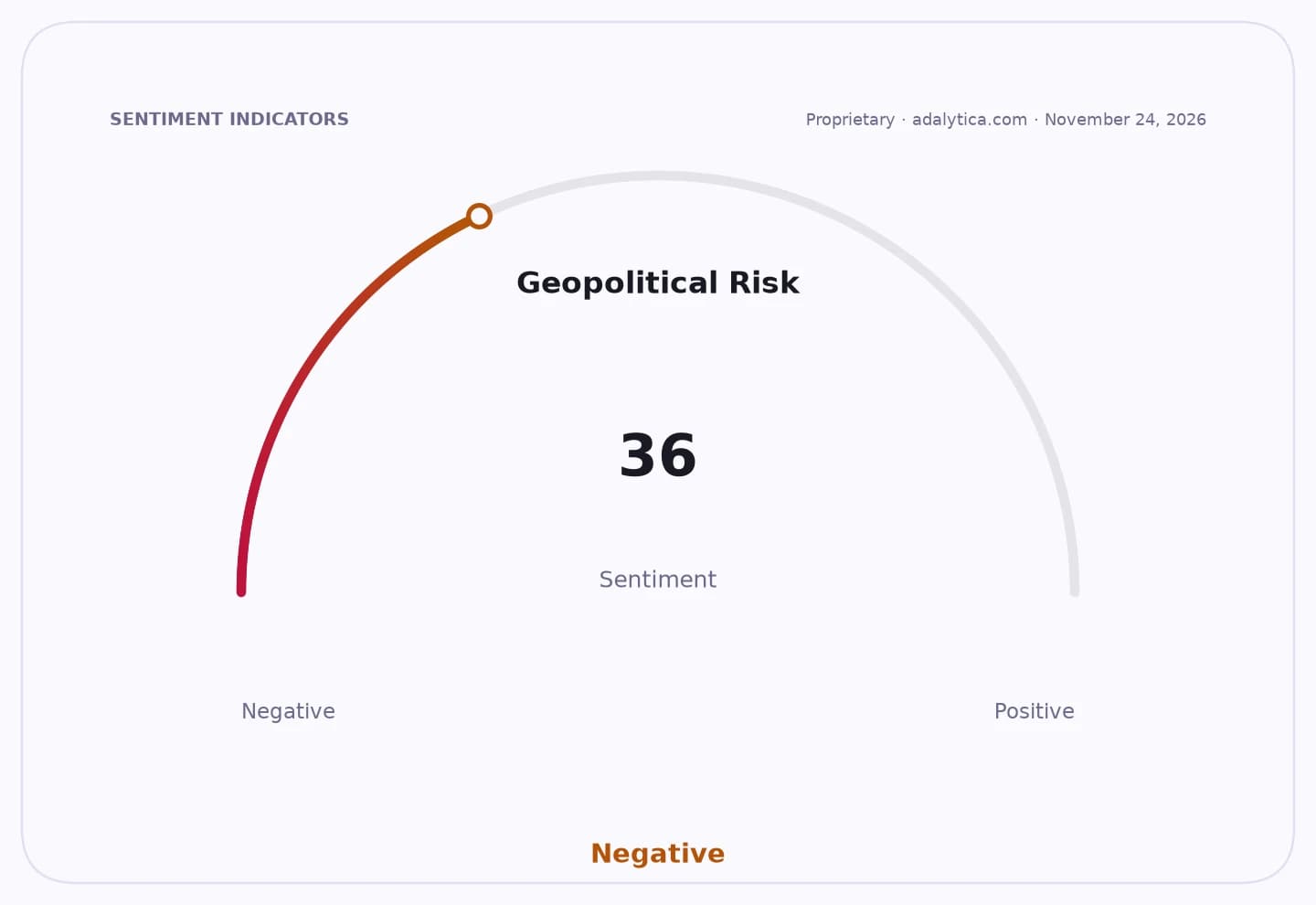
Sentiment Indicators
An article on the website of China Huayi Broadcasting Corp., citing Wang Jianmin of the Chinese Academy of Social Sciences, argued that packed itineraries in Taiwan raise safety risks because of tour-bus speeding. The overseas edition of the People’s Daily separately highlighted five tour-bus accidents involving Chinese tour groups this year and urged Taiwanese authorities to improve infrastructure and cut risks.
Taiwan’s travel operators pushed back, saying the criticism overstates the problem and ignores weaknesses in China’s own tourism industry. Roget Hsu, secretary-general of Taiwan’s Travel Agent Association, said Taiwanese operators have better risk management than their mainland counterparts, though he conceded that whirlwind itineraries — often eight-day trips circling the island — have contributed to more accidents.
That matters economically because mainland group tours remain a high-value stream for Taiwan’s hospitality, transport and retail sectors. If Chinese authorities or media further discourage group travel, the hit would land first on tour buses, hotels, restaurants and local merchants that benefit from tightly scheduled package itineraries. The effect could also ripple through regional economies outside Taipei, where tourist spending is often more dependent on organized tours.
There is a broader structural shift underneath the dispute. Hsu said the problem should ease as more Chinese travelers come as independents and as the mainland tourism industry matures, reducing the incentive for mass, all-island tours. He expects more focused itineraries centered on specific regions rather than the standard circuit of Taiwan in a single trip. If that happens, the industry could see slower but higher-quality demand, with more room for niche operators and less for volume-driven package sellers.
The political angle is hard to miss. Taiwan’s Tourism Bureau said complaints about Chinese tour group leaders would be referred to the Association for Tourism Exchange Across the Taiwan Straits, while local authorities plan more inspections of transport equipment and accommodation. Those steps may help Taiwan show it is addressing safety, but they also underscore that tourism policy is being managed through cross-strait channels as much as commercial ones.
Investors should read the episode as a demand-risk warning for Taiwan’s tourism-linked names and for any operator whose earnings are tied to mainland package traffic. The longer Beijing keeps safety and quality in the spotlight, the greater the chance that tour flows become more volatile, with upside for operators able to pivot to independent travelers and downside for businesses built on large group volumes.
For now, the dispute is less about a single article than about the leverage travel still gives Beijing and the fragility of Taiwan’s mainland tourism rebound. The key catalyst to watch is whether the criticism remains rhetorical or feeds into a wider cooling in group bookings, which would test how quickly Taiwan’s tourism sector can shift away from its most exposed customers.
| Entity | Gains | Losses |
|---|---|---|
| Taiwan independent tour operators | ▲Higher-value niche demand | ▼Loss of mass-market group volume |
| Taiwan group-tour suppliers | ▲More scrutiny and better standards | ▼Lower bookings from mainland groups |
| Mainland regulators/media | ▲Greater leverage in cross-strait ties | ▼Less flexibility for travelers |
| Hotels, bus firms, retailers in Taiwan | ▲Potential quality upgrades | ▼Weaker spending if tours slow |