Taiwan’s stepped-up war preparations are a reminder that the biggest threat to global markets may not be tariffs or rates, but a shock to the island that sits at the center of advanced chip production.
Taiwan Tensions Put TSMC, Nvidia, Apple at Risk

That matters because Taiwan is not just another geopolitical flashpoint. It is the linchpin of the semiconductor supply chain, and any disruption would hit the world economy through the most fragile channel in modern capitalism: compute. Taiwan Semiconductor Manufacturing Co. makes the chips that power Nvidia’s AI accelerators and a large share of the components feeding Apple’s devices, cloud builders and the broader electronics complex. A military crisis would not simply dent growth; it would scramble inventories, freeze capex plans and force investors to reprice the entire AI trade in one move.
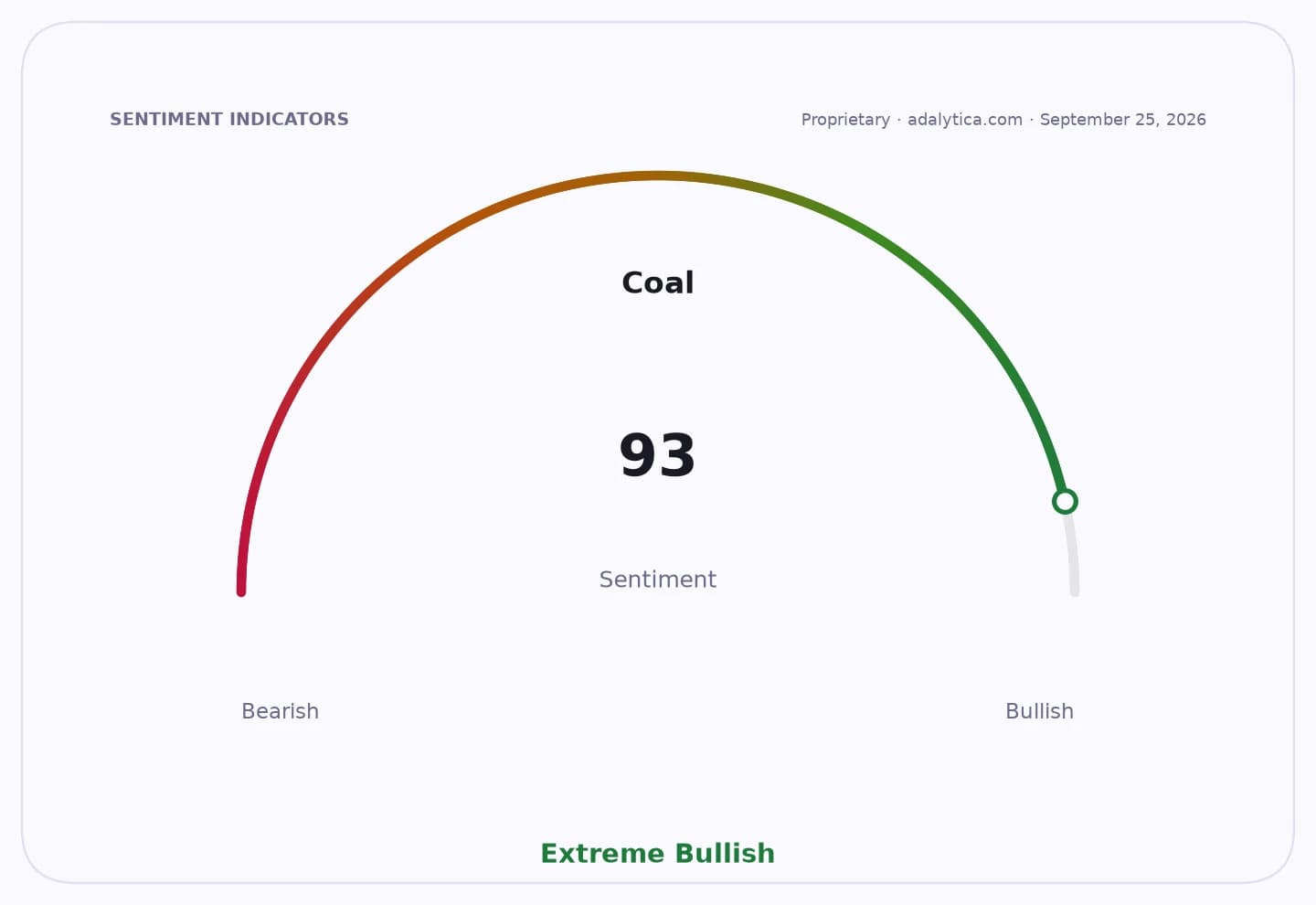
Sentiment IndicatorsⓘProprietary · adalytica.com · August 19, 2026
This is a snapshot — live sentiment, awareness and momentum for 130+ markets update continuously in the dashboard.Open AlphaPulse
Markets are already telling you where the stress sits. TSMC has been trading with the kind of volatility that comes when a strategic asset becomes a geopolitical one, rising to $430.97 on Aug. 17 before slipping to $411.52 by Aug. 19 after a sharp run that left the stock far above its 200-day moving average. Nvidia, the most exposed AI bellwether, has held near $219, while Apple has recovered to $318.66. Those levels matter because they reflect a market still pricing in uninterrupted supply from Taiwan, even as the geopolitical discount is widening.
The economic risk is straightforward. If China moved against Taiwan, the first-order effect would be on semiconductors, but the second-order effect would be far larger: telecoms, autos, industrials, consumer electronics and data-center buildouts would all face higher costs, longer lead times and possible shortages. The result would be inflationary at exactly the wrong time, forcing central banks and governments to respond to a supply shock rather than a demand cycle.
TSMC — 30-day sentimentadalytica.com
Explore this data interactively — full history, time series and cross-market comparisons.Open AlphaPulse
That is why the opportunity and the danger both sit in the same place. The market underestimates how much of the AI boom depends on a single geography, and that creates an asymmetric setup for investors. The obvious losers are companies with direct dependence on Taiwan fabrication, especially chip designers and electronics giants that cannot quickly replicate advanced-node capacity. The potential winners are defense names, supply-chain redundancy plays, U.S. and Japanese semiconductor onshoring, and infrastructure tied to new fabs, power and grid spending.
Adalytica’s proprietary TSMC Earnings Sentiment reading is flashing “Extreme Greed,” while its Global Stability Sentiment sits in “Extreme Fear,” a combination that often appears when investors are complacent about a tail risk but increasingly aware of it. In other words, the market is still leaning into the AI story while the geopolitical floor beneath it is getting less stable.
The near-term catalyst is continued military signaling from Taipei and Beijing, but the real investment case is longer dated. Any sustained escalation around Taiwan would accelerate capital spending on alternative manufacturing, deepen the premium on domestic chip capacity and push investors toward the companies that sell picks and shovels to the next industrial buildout. If you want to position for the next shock before consensus does, the message is clear: own the redundancy, not just the revenue.
| Entity | Gains | Losses |
|---|---|---|
| TSMC | ▲Strategic importance, pricing power | ▼Geopolitical risk premium |
| Nvidia | ▲AI demand remains strong | ▼Taiwan supply disruption |
| Apple | ▲Stable chip access in calm markets | ▼Component shortages, margin pressure |
| Defense and onshoring names | ▲Higher spending, fab diversification | ▼None materially, if tensions rise |