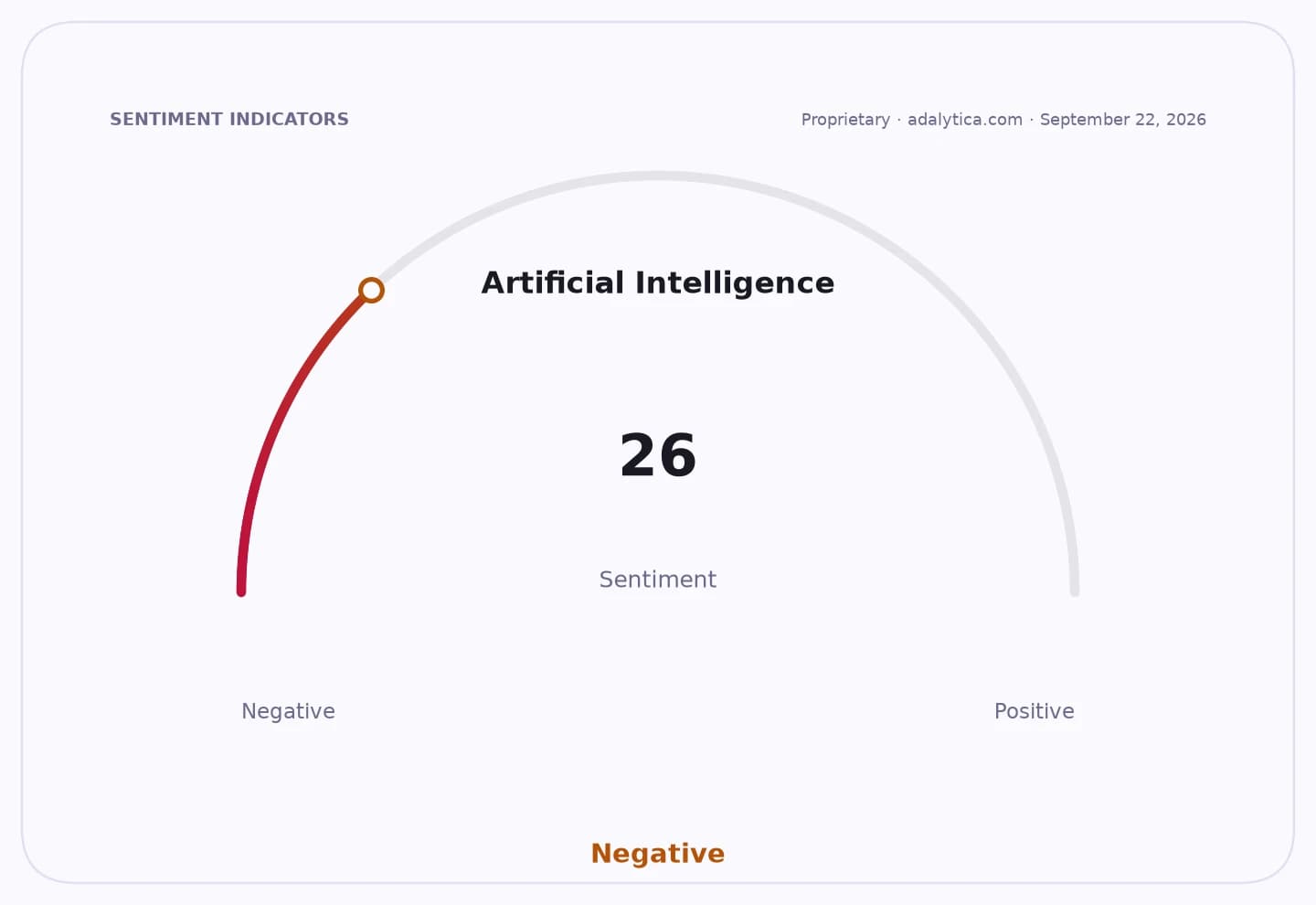
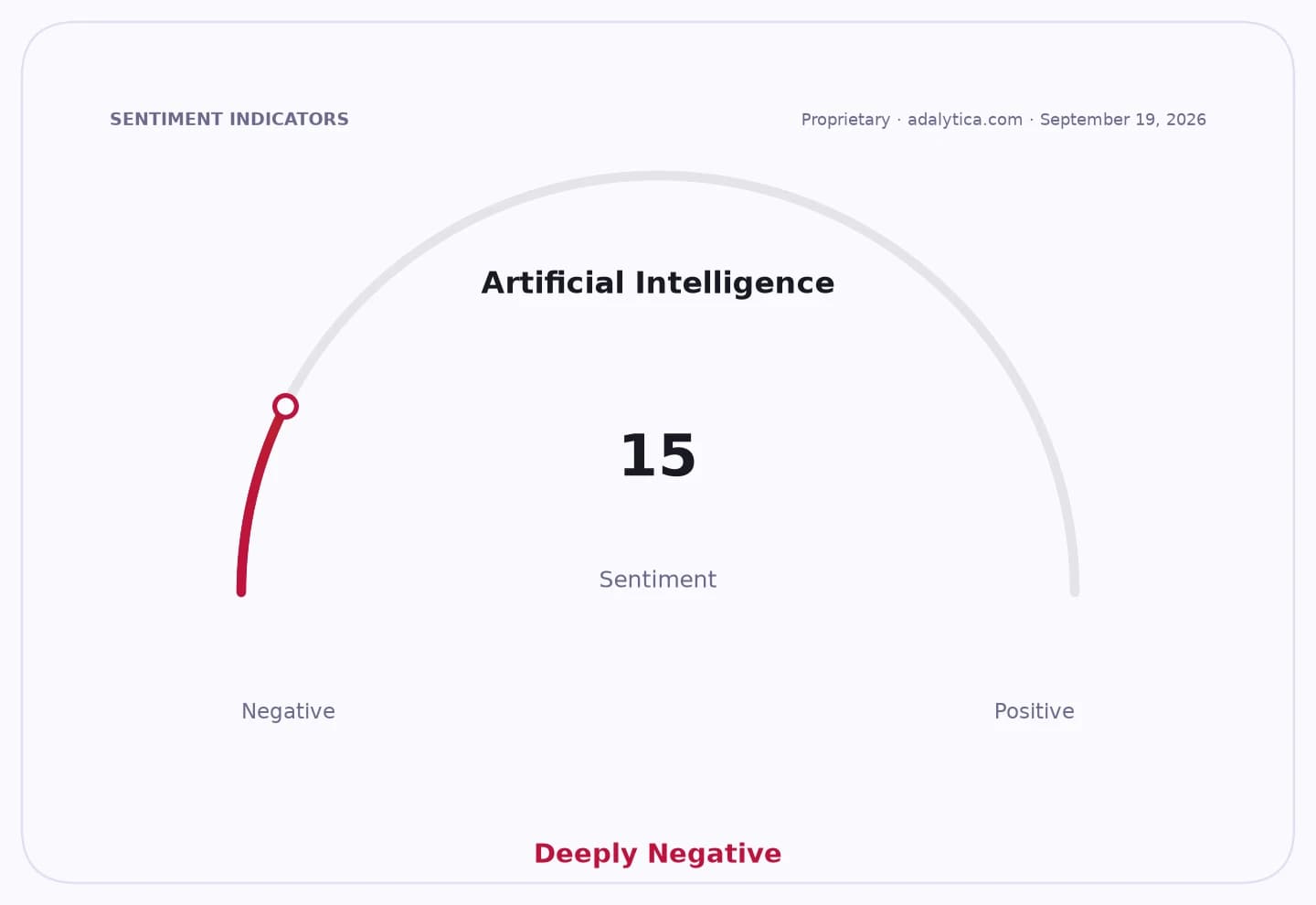
For young people in Tanzania, artificial intelligence looks less like a job killer than a sorting machine: those who learn to use it could see better-paying work, while those stuck in routine tasks risk being left behind.
Tanzania AI and Jobs for Young Workers
That is the real economic significance of the AI debate. Tanzania is moving deeper into a digital economy, and AI is already capable of automating repetitive work in banking, customer service, accounting, marketing, logistics and administration. That does not mean the labor market is about to collapse. It means the mix of jobs is changing, and the country’s ability to adapt will determine whether AI widens unemployment or lifts productivity and incomes.
The broader lesson from history is encouraging. New technology usually destroys some tasks, but it also creates new ones, often in places people did not expect. The same pattern that shifted workers from manual farm labor into roles for mechanics, technicians and supervisors may now favor data analysts, AI trainers, cybersecurity specialists, digital marketers, content creators and ethics experts. For investors and policymakers, that matters because productivity growth is what turns a young population from a demographic burden into an economic asset.
That is especially relevant in Tanzania, where AI could support small businesses and formal employers alike. A young worker with AI skills can help a shop owner write ads, study sales trends, improve customer service or forecast demand. Farmers can use digital tools to track weather, crop disease and market prices. Banks can use AI to sharpen loan decisions and catch fraud. In other words, AI is not just a software story; it is a force that could reach nearly every corner of the economy.
But the upside is not automatic. The biggest risk is not AI itself, but a skills system that fails to prepare workers for it. If schools keep producing graduates trained mainly for repetitive, low-value work, AI will amplify the gap between available jobs and available talent. If curricula shift toward digital literacy, data, critical thinking, creativity and entrepreneurship, AI can become a powerful engine for higher-productivity employment. That is the pivot long-term investors should watch, because countries that build adaptable workforces tend to attract more investment and grow faster over time.
The private sector also has a role. Global employers are already rewarding workers who embrace AI-related skills, and that trend is likely to spread. Companies want employees who can use AI to do more, not just do less. In Tanzania, that makes training and reskilling a competitive advantage for firms as well as workers. The countries and companies that treat AI as augmentation rather than replacement are likely to come out ahead.
For young Tanzanians, the takeaway is straightforward: don’t fear AI, learn it. Over the next 3 to 10 years, the most valuable workers will not be those competing against machines, but those who know how to make machines productive. That makes AI a real opportunity for Tanzania — but only if education, policy and business investment move fast enough to turn technology into jobs.
| Entity | Gains | Losses |
|---|---|---|
| AI-skilled youth | ▲Better jobs, higher pay | ▼Less at risk from automation |
| Routine workers | ▲Fewer immediate gains | ▼Most exposed to displacement |
| Tanzanian businesses | ▲Higher productivity, lower costs | ▼Higher training burden |
| Education system | ▲Relevance if it adapts | ▼Credibility if it lags |