Tanzania’s rice output is coming under pressure from the yellow sugarcane aphid, a fast-spreading pest that is damaging crops across key farming regions and threatening food supplies and farm incomes.
Tanzania Rice Output Threatened by Yellow Sugarcane Aphid
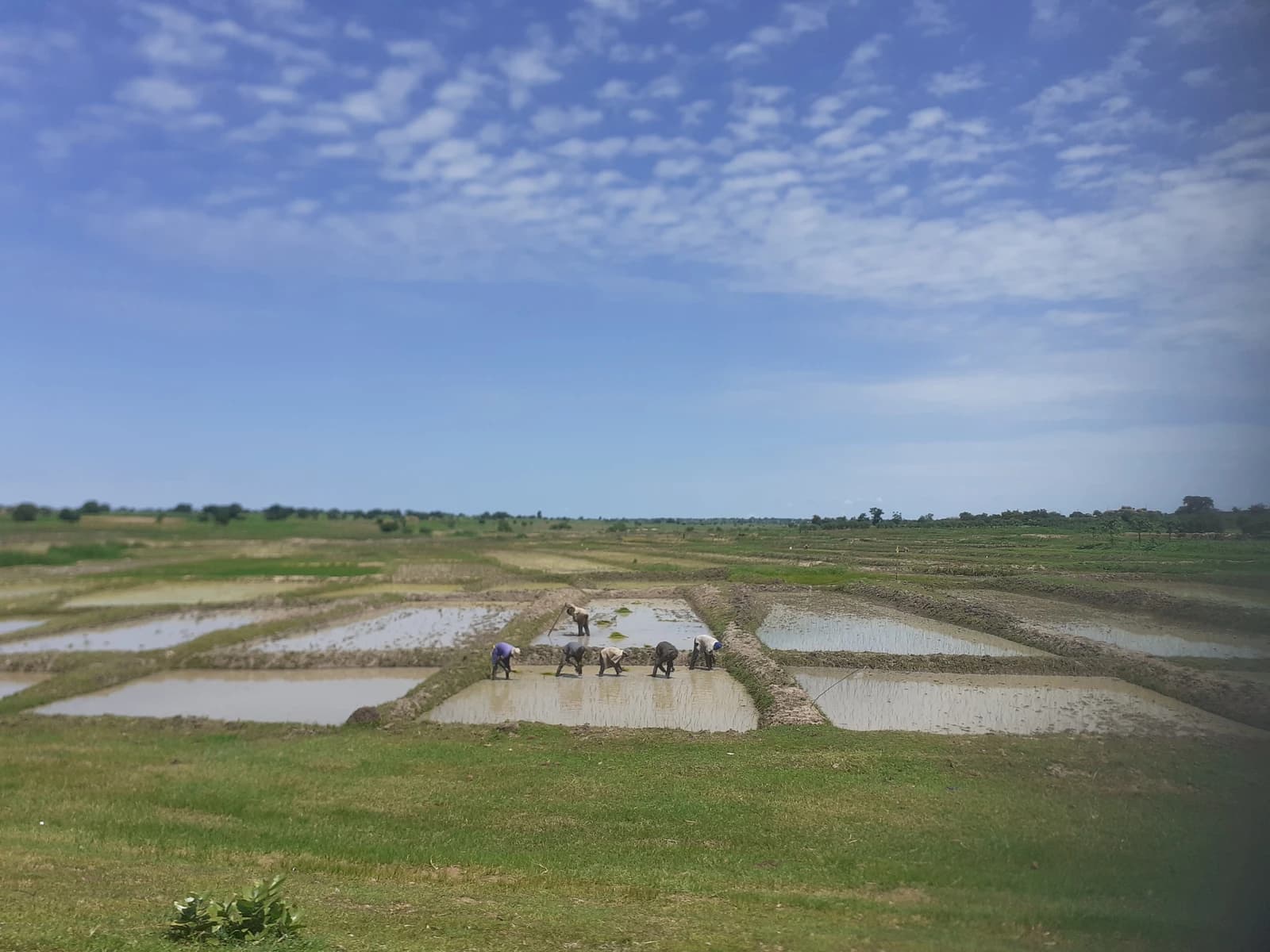
The infestation matters because rice is a staple crop for millions of Tanzanians and a major source of cash income for rural households. The insect, Sipha flava, feeds on plant sap, turns leaves yellow, weakens photosynthesis and cuts grain production, raising the risk of lower harvests at a time when food security is already fragile.
Sentiment Indicators
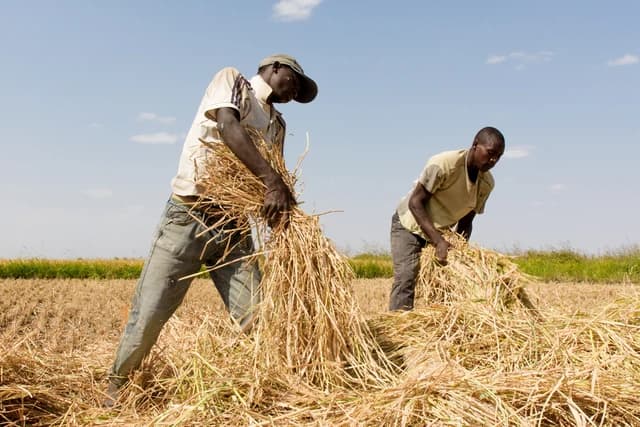
Researchers say the pest, first detected in Tanzania in 2018 and officially reported in 2020, has spread from sugarcane into rice ecosystems in Kilimanjaro, Morogoro and Mbeya. Professor Constantine Busungu of the University of Dar es Salaam said the aphid’s ability to adapt to different agro-ecological conditions has helped it move quickly across the country.
The government is responding with a four-year research project worth 301 million Tanzanian shillings, funded by the Tanzania Commission for Science and Technology with support from NORAD’s Climate Call program. The University of Dar es Salaam is running the study with Tanzania Agricultural Research Institute centers to map the pest’s spread, assess its impact on farmers and develop control methods that can hold up under climate stress.
Food & Groceries
For investors and agribusiness stakeholders, the threat highlights a broader vulnerability in East African food production: climate change and invasive pests can quickly squeeze yields, lift local food prices and increase pressure on governments to fund agricultural research and crop protection. Any sustained drop in rice output would also hit smallholder farmers hardest, reducing rural purchasing power and worsening import dependence if domestic supply tightens.
Sipha flava, native to the Caribbean, has already been recorded in countries including Morocco, South Africa, Zambia, Zimbabwe, Malawi and Kenya before reaching Tanzania. The key test now is whether the new research effort can deliver field-ready solutions fast enough to limit losses before the pest becomes entrenched in more rice-growing areas.
| Entity | Gains | Losses |
|---|---|---|
| Tanzanian farmers | ▲Better pest-control tools | ▼Lower yields and income |
| Consumers | ▲Potentially steadier rice supply | ▼Higher food prices |
| COSTECH / TARI / UDSM researchers | ▲Funding for control research | ▼Pressure to deliver results |
| Yellow sugarcane aphid | ▲Rapid spread | ▼None |