Major US companies are planning to channel tens of millions of dollars in tariff refunds from President Donald Trump’s overturned duties into employee bonuses rather than customer reimbursements, a move that is deepening the political and legal fight over who should ultimately benefit from the repayment.
Tariff refunds go to bonuses at Stanley Black & Decker, TJX
The issue matters because the refunds stem from tariffs that many households already absorbed through higher prices, turning a trade-policy rollback into a test of corporate governance, consumer protection and political accountability. ProPublica reported that at least nine companies disclosed using the money for bonuses, including Stanley Black & Decker, TJX Companies and Acushnet, even as consumers have already paid more for apparel, tools, furniture and other imported goods.
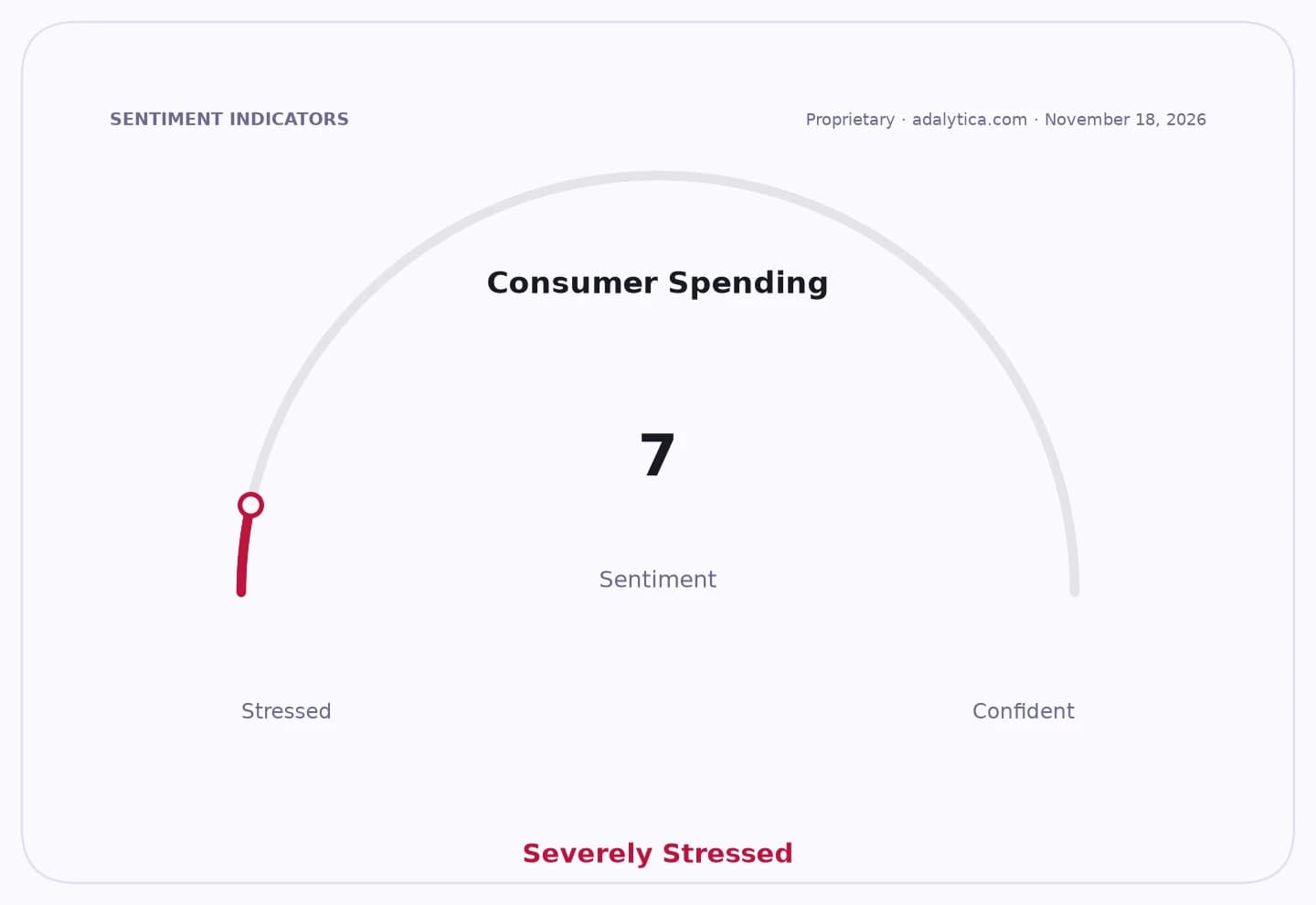
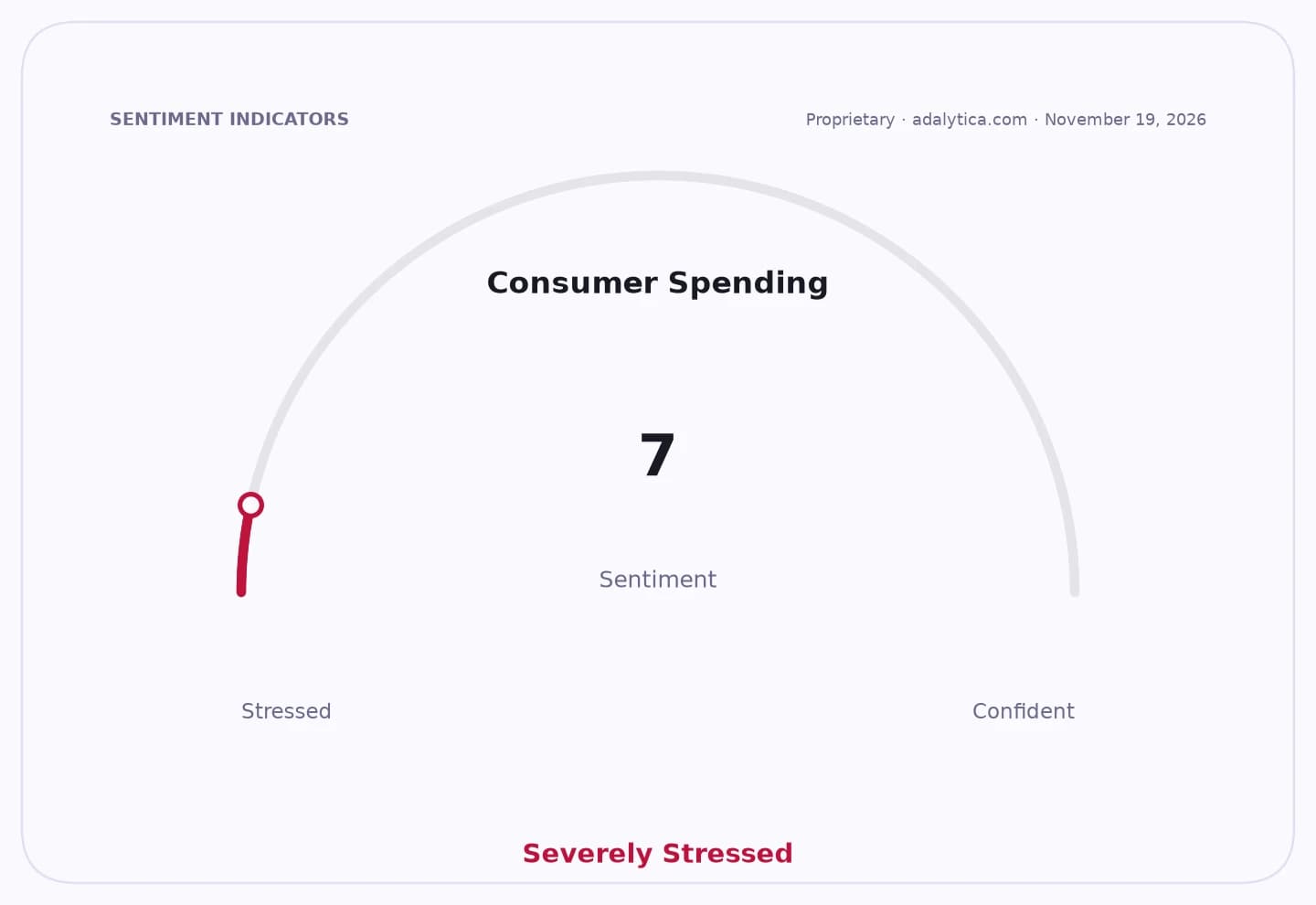
Sentiment Indicators
That is politically combustible at a time when US consumers are already under pressure. The Tax Foundation estimates Trump’s tariffs cost the average household about $1,000 last year, while the New York Fed and Harvard Business School have each suggested Americans bore a meaningful share of the levies through higher prices. The broader backdrop remains fragile: Adalytica’s Consumer Spending Sentiment gauge sits at 7, or “Extreme Fear,” while its Consumer Confidence Recession Sentiment reading is just 4, also “Extreme Fear,” pointing to an already strained household backdrop.
The Supreme Court’s February ruling that Trump needed congressional approval for his most sweeping tariffs created the refunds in the first place, but it left unanswered how the government should distribute the returned money. That ambiguity has opened the door for companies to claim the windfall as earnings support or compensation expense, rather than passing it back through lower shelf prices or direct customer refunds. For investors, that creates a reputational risk for retailers and manufacturers that raised prices to offset tariff costs, only to appear to benefit twice: once from consumer pass-throughs and again from Treasury repayments.
Stanley Black & Decker, which said tariff costs forced it to raise prices, is set to receive at least $298 million in refunds and plans to use the cash for bonuses, according to the report. TJX, parent of TJ Maxx and Marshalls, has received $331 million and also plans year-end bonuses. Acushnet disclosed roughly $12 million in incentive compensation expense tied to its tariff refund. Costco, which has received $184 million, is facing a similar lawsuit over claims that it sold tariff-inflated goods at higher prices and should reimburse customers.
The contrast with Burlington Coat Factory and Amazon underscores the strategic split. Burlington says it will use $55 million in refunds to sharpen value for shoppers, while Amazon says it will contact affected customers where it can trace specific import charges and refund them, with the rest used to support lower prices. That sets up a clear reputational divide between companies using the refunds as a consumer-relief tool and those treating them as a balance-sheet or compensation benefit.
For investors, the immediate question is not just who gets the money, but how much of the tariff pass-through was embedded in margins and pricing power. If the refunds are retained as bonuses or earnings support, companies may see only limited near-term financial benefit while facing lawsuits, legislative pressure and potential brand damage. Democratic senators have already urged Trump to require consumer pass-throughs, framing the issue as a middle-class giveaway to large corporations. The longer the government leaves the refund process unresolved, the more likely it is that the political and legal costs will outlast the tariff itself.
| Entity | Gains | Losses |
|---|---|---|
| Stanley Black & Decker | ▲Bonus funding | ▼Consumer trust |
| TJX Companies | ▲Year-end payouts | ▼Customer goodwill |
| Consumers | ▲Potential lawsuits | ▼Tariff refunds |
| Amazon/Burlington | ▲Value-led branding | ▼Bonus windfall |