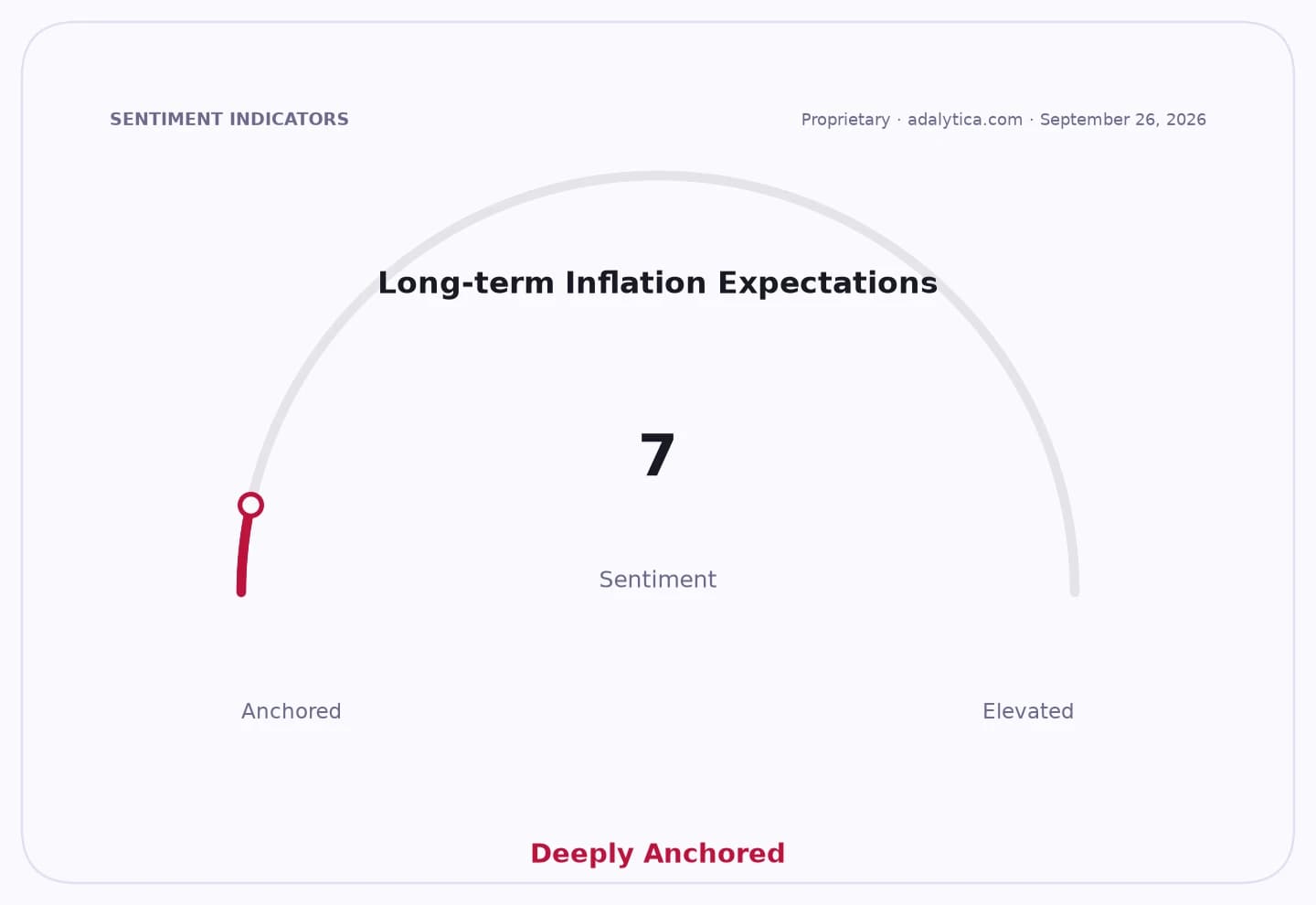
The Trump administration is preparing to replace its temporary 10% global tariff with new duties tied to forced-labor concerns, likely setting a baseline of 10% to 12.5% on affected imports and keeping pressure on supply chains, corporate margins and consumer prices.
Tariff Replacement Could Keep Inflation Pressure Elevated

The move matters because it signals that Washington is not easing off trade barriers as the temporary levy lapses. Instead, it is shifting the rationale for protectionism from a broad, across-the-board tariff to a more targeted regime that can still hit a wide range of goods. For companies that rely on imported merchandise, that means tariff relief may be short-lived. For investors, it raises the odds that input costs stay elevated even as firms continue to grapple with slower demand and higher financing costs.
The macro backdrop is already sensitive to trade shocks. U.S. inflation remains materially above pre-pandemic norms, with consumer prices and producer prices still running higher than in the years before the recent wave of tariff escalation. That leaves little cushion if new duties feed through to wholesale prices and then to retailers and households. The market implication is straightforward: tariffs that are framed as a labor-enforcement tool can still act as a tax on imports, complicating the disinflation path and keeping pressure on the Federal Reserve’s policy calculus.
The policy shift also fits a broader pattern of more aggressive trade intervention from the White House. Recent tariff actions on Brazil and threatened levies on Canada have reinforced expectations that the administration is willing to use import duties as leverage across multiple fronts. Analysts expect the new forced-labor-related tariffs to fall between 10% and 12.5%, suggesting the government is not merely letting the old charge expire but replacing it with another meaningful cost layer for importers.
CPIAUCSL vs PPIACO — macro contextadalytica.com
Explore this data interactively — full history, time series and cross-market comparisons.Open AlphaPulse
The corporate read-through is uneven but clear. Apple, Nike and Walmart are all exposed to tariff-sensitive sourcing networks, and their disclosures already flag trade policy as a material risk to supply chains, costs and margins. Apple is particularly vulnerable to higher import costs on components and finished products. Nike’s exposure runs through global manufacturing hubs and consumer apparel pricing. Walmart, while more insulated than many peers because less than a third of its U.S. sales are imported, still faces pressure if suppliers try to pass through costs. Freight and logistics groups such as FedEx also stand to lose if higher tariffs damp trade volumes and reorder patterns.
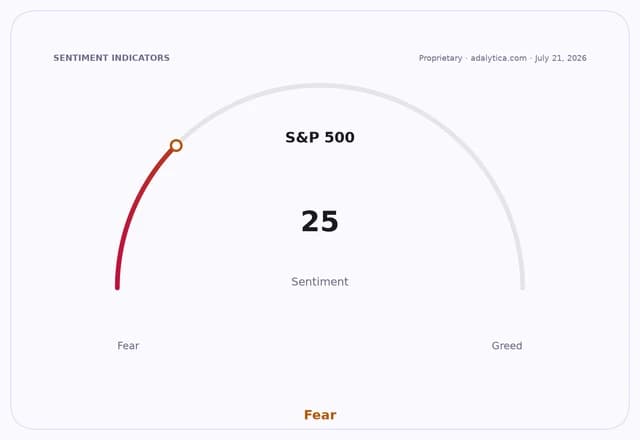
For equity investors, the key question is whether companies can absorb the hit or pass it on. Bulls will argue that large retailers and consumer brands can use scale, pricing power and sourcing flexibility to blunt the damage. Bears will point out that the latest tariff move comes on top of an already fragile consumer environment and could squeeze discretionary spending, especially in categories where demand has weakened. That tension helps explain why trade-sensitive names have remained volatile and why broader market sentiment, as measured by Adalytica’s S&P 500 trade signals, has turned to fear.
The near-term catalyst is whether the new duties are narrower than the expiring 10% levy or simply repackaged into a regime that touches the same import channels. If the replacement tariffs are broad enough, they could preserve inflation pressure and weigh on retail margins into the second half of the year. If they are more selective, some companies may escape the full brunt, but the policy signal remains the same: trade costs are becoming a structural feature of the U.S. operating environment rather than a temporary disruption.
| Entity | Gains | Losses |
|---|---|---|
| US administration | ▲Trade leverage | ▼Importer backlash |
| Domestic producers | ▲Protection from imports | ▼Higher input costs |
| Retailers and consumer brands | ▲Some sourcing flexibility | ▼Margin pressure |
| Consumers | ▲None | ▼Higher prices |