The new wave of Section 301 tariffs on 60 U.S. trading partners is emerging as a policy shock for global supply chains, but investors are treating it as a contained hit to growth rather than a systemic economic threat.
Tariff Shock Pressures Imports, Dollar, and Transport
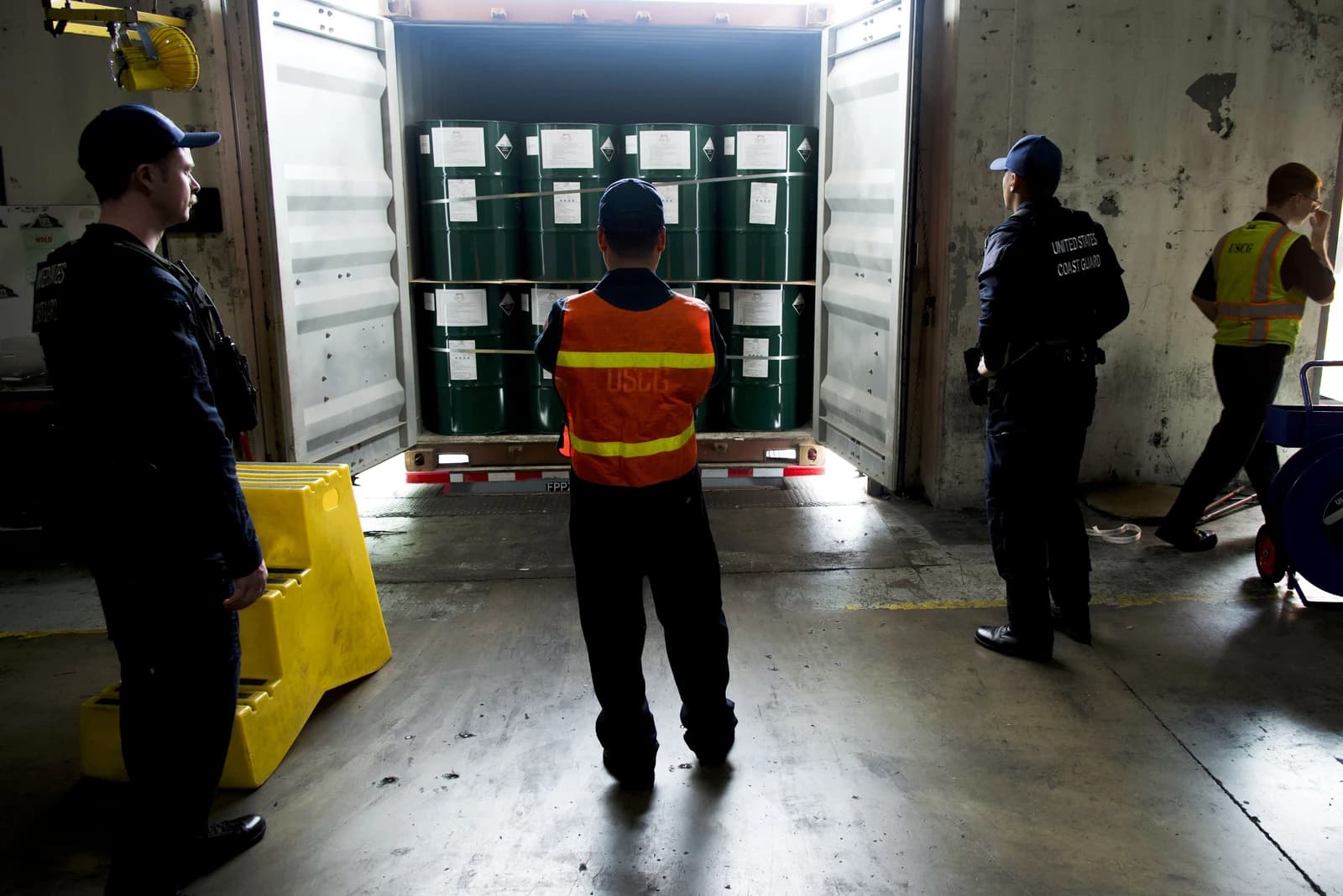
That divide matters because tariffs can still reshape sourcing, margins and trade routes even when the direct GDP impact looks small. For companies with heavy import exposure, the pressure shows up first in costs and working capital, while exporters and logistics firms face the risk of slower volumes and more disruption.
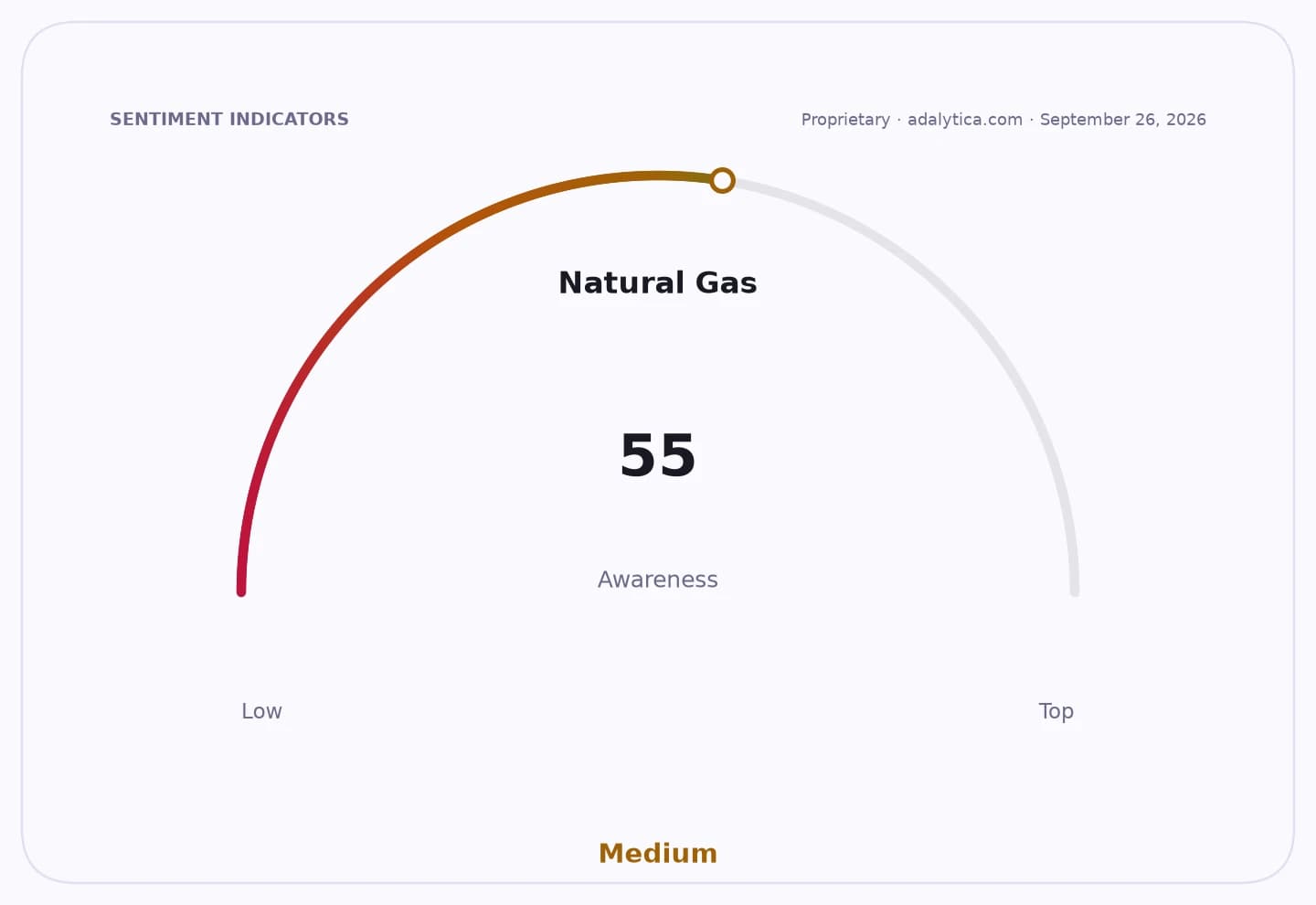
Sentiment IndicatorsⓘProprietary · adalytica.com · July 28, 2026
This is a snapshot — live sentiment, awareness and momentum for 130+ markets update continuously in the dashboard.Open AlphaPulse

The Treasury market is signaling caution, with the 10-year yield at 4.69% and the 2-year at 4.33% ahead of a modest rise in forecast yields to 4.738% and 4.401%, respectively. That suggests investors still expect the tariffs to add noise to inflation and policy debates, even if officials argue the measures will not have a meaningful economic impact overall.
The dollar is also under strain, with the U.S. Dollar ETF UUP edging up to 28.60 but still sitting well below levels that would indicate a broad policy-driven breakout. Adalytica’s U.S. White House Policy Direction Sentiment gauge is neutral at 32, down 26 points over 30 days, while its U.S. dollar trade signals show extreme fear at 4, underscoring how tariff uncertainty is feeding caution around the greenback rather than confidence.
White House Policy Direction — 30-day sentimentadalytica.com
Explore this data interactively — full history, time series and cross-market comparisons.Open AlphaPulse

Equities are holding up better. The SPDR S&P 500 ETF Trust closed at 739.09, with the 50-day moving average at 744.08 and the 200-day at 695.81, leaving the benchmark above its longer-term trend even as investors weigh trade risk against resilient earnings. Adalytica’s S&P 500 trade signals remain neutral, suggesting the market is not yet pricing in a full-scale tariff-driven risk-off move.
The real economic damage is more likely to show up unevenly. FedEx has already warned that recent changes in U.S. and international trade policy have weakened transportation conditions, while Caterpillar expects tariff costs of about $2.2 billion to $2.4 billion this year. Apple has also flagged tariffs as a material risk to supply chains and margins, showing how the burden falls on import-heavy multinationals rather than the economy as a whole.
For investors, the key question is whether the tariffs stay a negotiating tool or become a lasting tax on cross-border commerce. If they broaden, transport names, industrials and consumer importers would feel the pinch first; if they remain limited, markets are likely to focus back on rates, earnings and the dollar’s next move.
| Entity | Gains | Losses |
|---|---|---|
| U.S. policymakers | ▲Leverage in trade talks | ▼Political blowback if prices rise |
| Domestic producers | ▲Protection from imports | ▼Higher input costs |
| Import-heavy retailers/brands | ▲Limited, if tariffs are narrow | ▼Margin pressure |
| Logistics and transport firms | ▲None if trade volumes hold | ▼Lower shipment volumes |