Tax collection is becoming a more material earnings and liquidity issue for companies at a time when borrowing costs remain elevated, refinancing is still expensive and market confidence is fragile.
Tighter tax collection pressures leveraged companies
What is most important in the latest data is not the abstract debate over taxes, but the tightening macro backdrop in which governments are leaning harder on corporate collections. The Federal Reserve’s policy rate is still around 3.63%, the 10-year Treasury yield is near 4.58%, and high-yield credit spreads remain close to 2.72 percentage points, a combination that keeps the cost of capital above the levels companies enjoyed for much of the last cycle. In that setting, every additional cash outflow to tax authorities matters more, because it competes directly with capex, debt service and working capital.
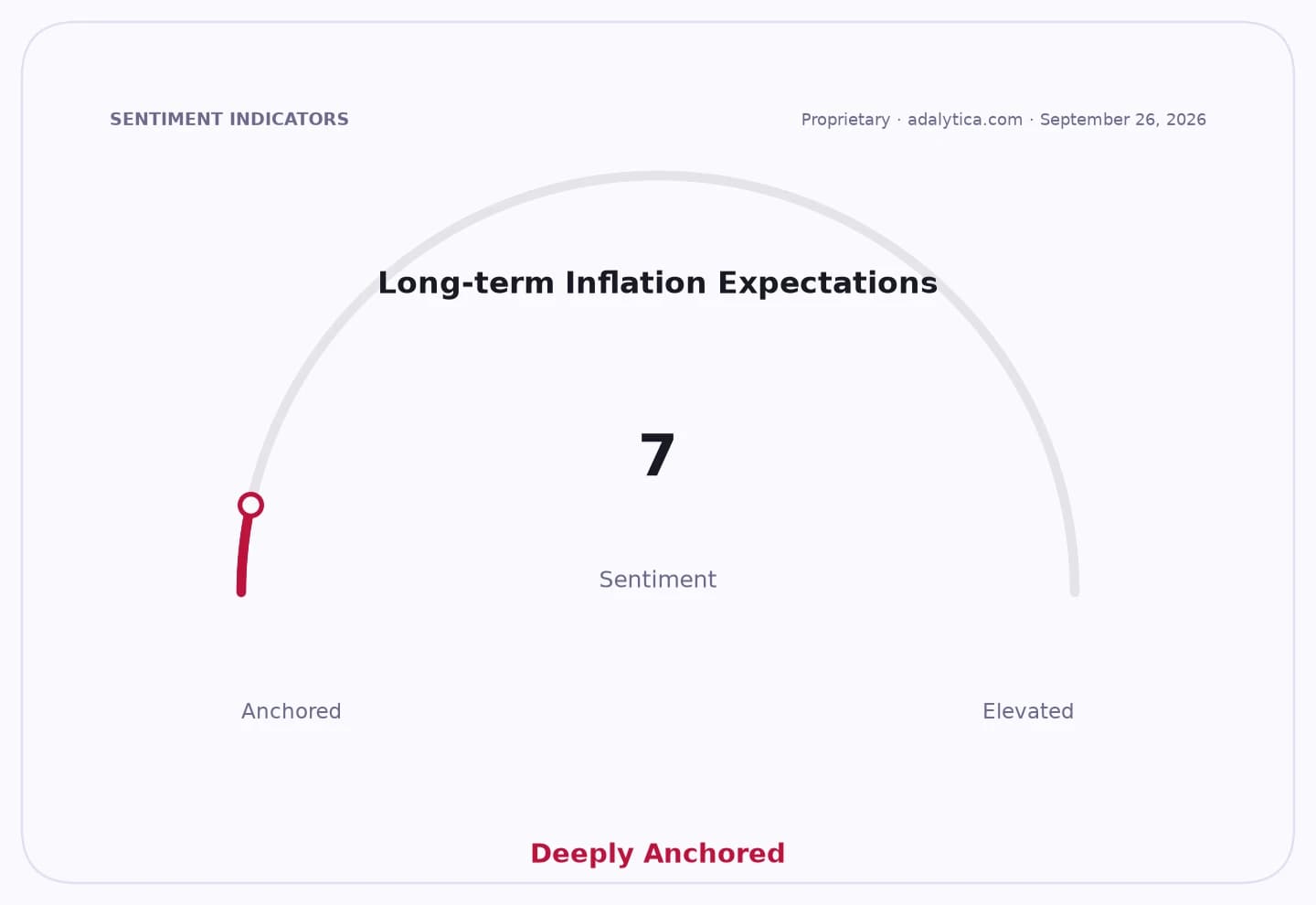
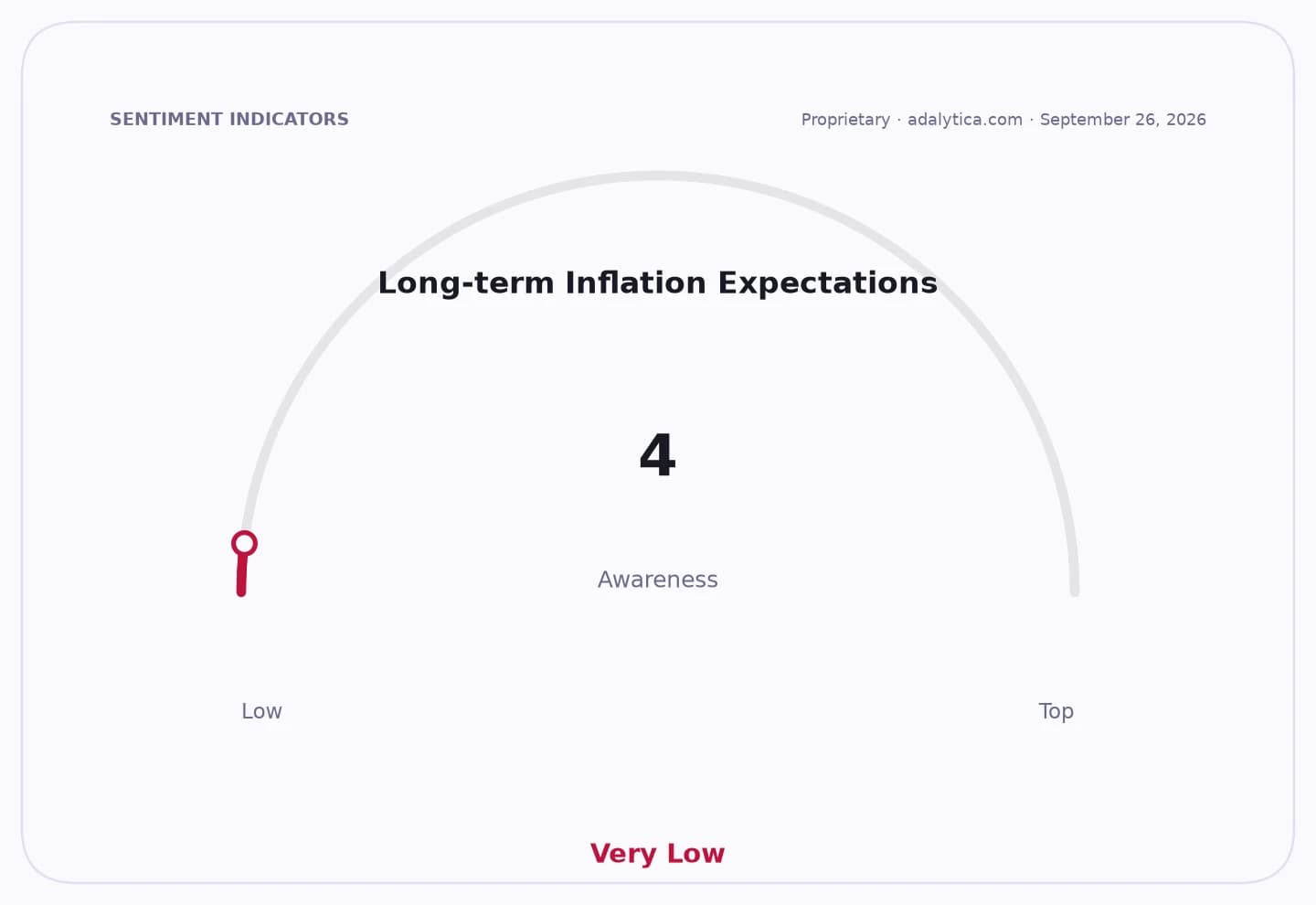
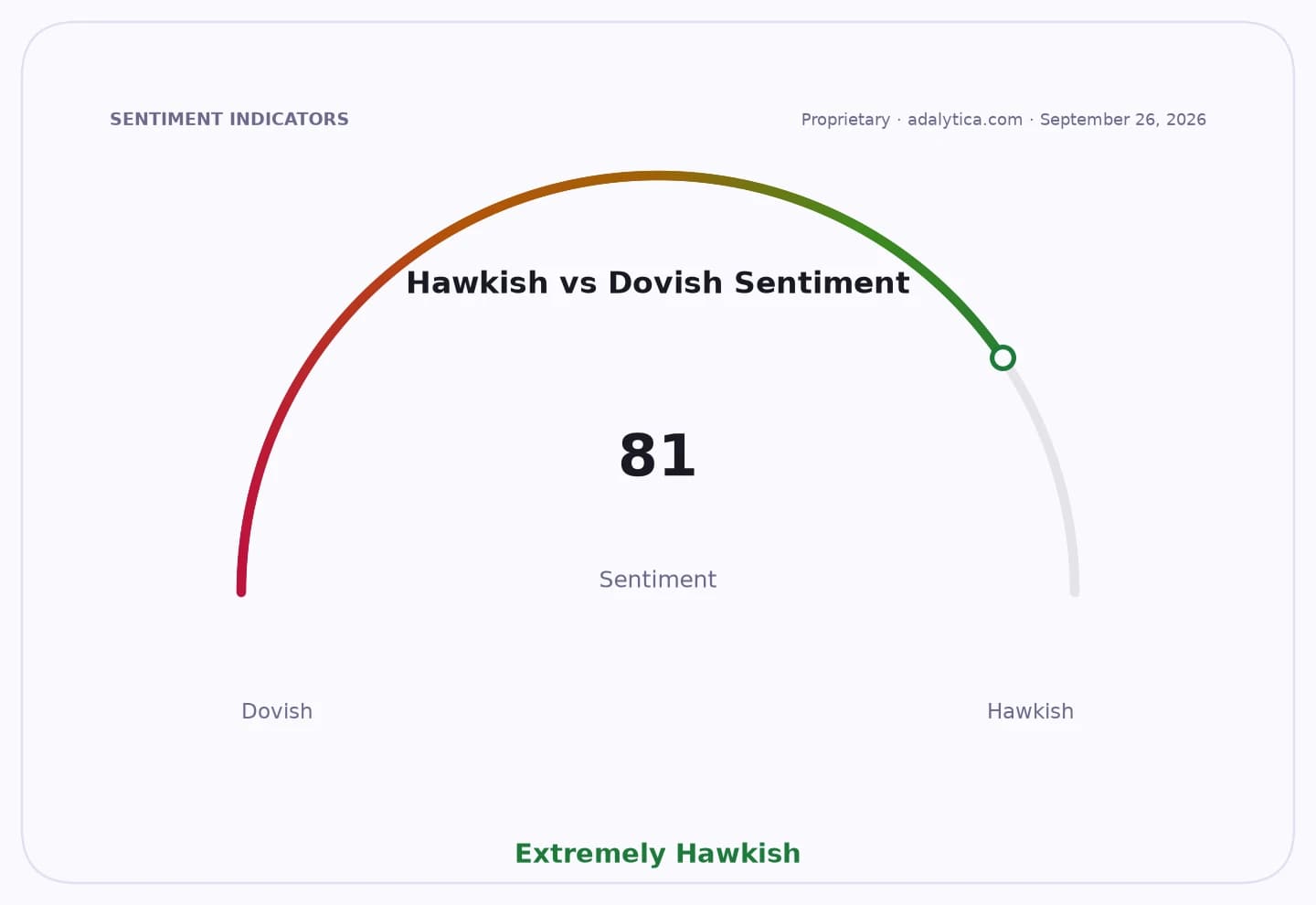
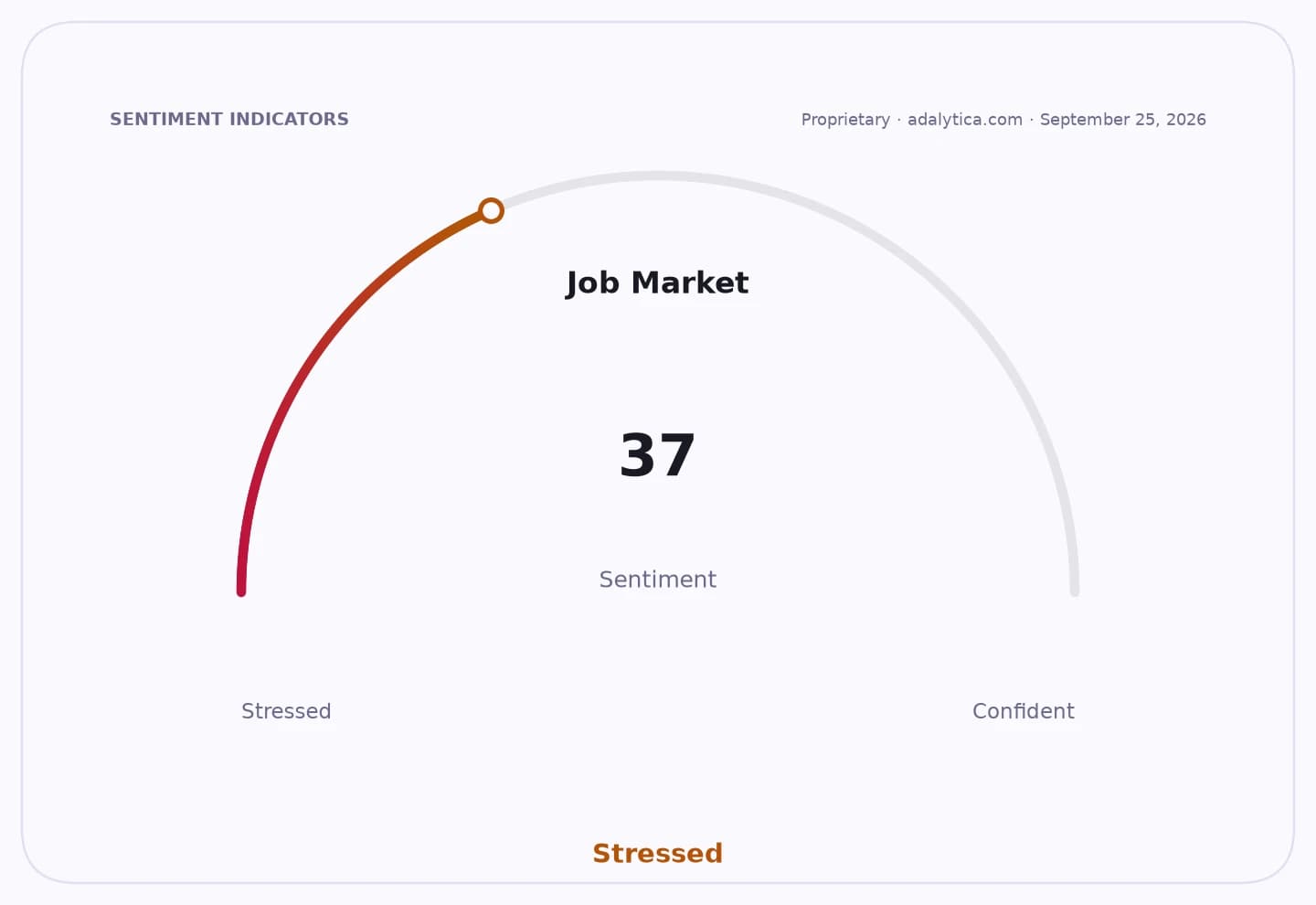
Sentiment IndicatorsⓘProprietary · adalytica.com · July 17, 2026
This is a snapshot — live sentiment, awareness and momentum for 130+ markets update continuously in the dashboard.Open AlphaPulse
The market implication is straightforward: firms with stretched balance sheets, thin free cash flow or heavy domestic exposure are more vulnerable to faster or stricter collection efforts. Investors tend to focus on headline tax rates, but the bigger driver of near-term strain is timing — when taxes are paid, how aggressively liabilities are enforced and whether authorities can pull forward cash from corporates before it is redeployed. That can tighten liquidity even if the statutory burden is unchanged.
The move also lands in a market that is already signaling caution. Adalytica’s Treasury Purchase Sentiment Outlook shows fear at 22, down sharply on the day and over the past week, suggesting market participants are becoming more wary about the demand side for government paper and the broader financing environment. Financial system liquidity sentiment is also in fear territory at 26, with awareness in extreme fear, underscoring that investors see less room for error when fiscal and funding pressures rise together.
FEDFUNDS vs DGS10 — macro contextadalytica.com
Explore this data interactively — full history, time series and cross-market comparisons.Open AlphaPulse
For equities, the effect is uneven. Latin American markets have held up better than global benchmarks, but the recent price action in iShares MSCI Mexico ETF EWW and iShares China Large-Cap ETF FXI shows how fragile risk appetite can be once policy and liquidity questions return. EWW sits just above its 50-day moving average and below the upper end of its recent range, while FXI remains below its 200-day average despite a rebound in technical momentum. Brazil’s EWZ has also been volatile, with prices hovering just above the 50-day average and the ETF still trading well under its 200-day line. That suggests investors are willing to tolerate fiscal noise, but not if it starts to threaten corporate cash generation or local-market funding conditions.
The broader narrative is that governments under revenue pressure are becoming less tolerant of delay, while companies are operating in a high-rate world that leaves less cushion for shocks. Advocates of tighter collection say it improves compliance, reduces leakage and can bring badly needed public revenue forward. The bear case is that more aggressive enforcement becomes another drag on already cautious corporate behavior, especially for firms dependent on domestic demand or short-term financing.
For investors, the key question is not whether taxes rise in the abstract, but which companies see cash conversion worsen first. Businesses with strong balance sheets and pricing power should absorb the pressure. Highly leveraged issuers, cyclicals and firms facing weaker consumer demand are more likely to feel the squeeze in margins, liquidity and valuation multiples if tax collection remains aggressive into the second half of the year.
| Entity | Gains | Losses |
|---|---|---|
| Treasury / tax authorities | ▲Faster cash inflows | ▼ |
| Strong-cash companies | ▲ | ▼ |
| Highly leveraged companies | ▲ | ▼Higher liquidity pressure |
| Equity investors | ▲Clearer fiscal discipline | ▼Near-term earnings risk |