An Indian tech worker on an H-1B visa says he is preparing to return home after a layoff and months of failed job hunting, a sign that the US technology labor market is staying tight even as unemployment remains low.
Tech layoffs pressure H-1B workers in US
The case matters because it shows how the recent wave of tech layoffs is colliding with immigration rules that give displaced foreign workers only a limited window to find new sponsorship. For visa holders, a layoff can quickly turn into a forced exit if they cannot secure another employer willing to file paperwork, making job cuts more damaging than a standard unemployment spell.
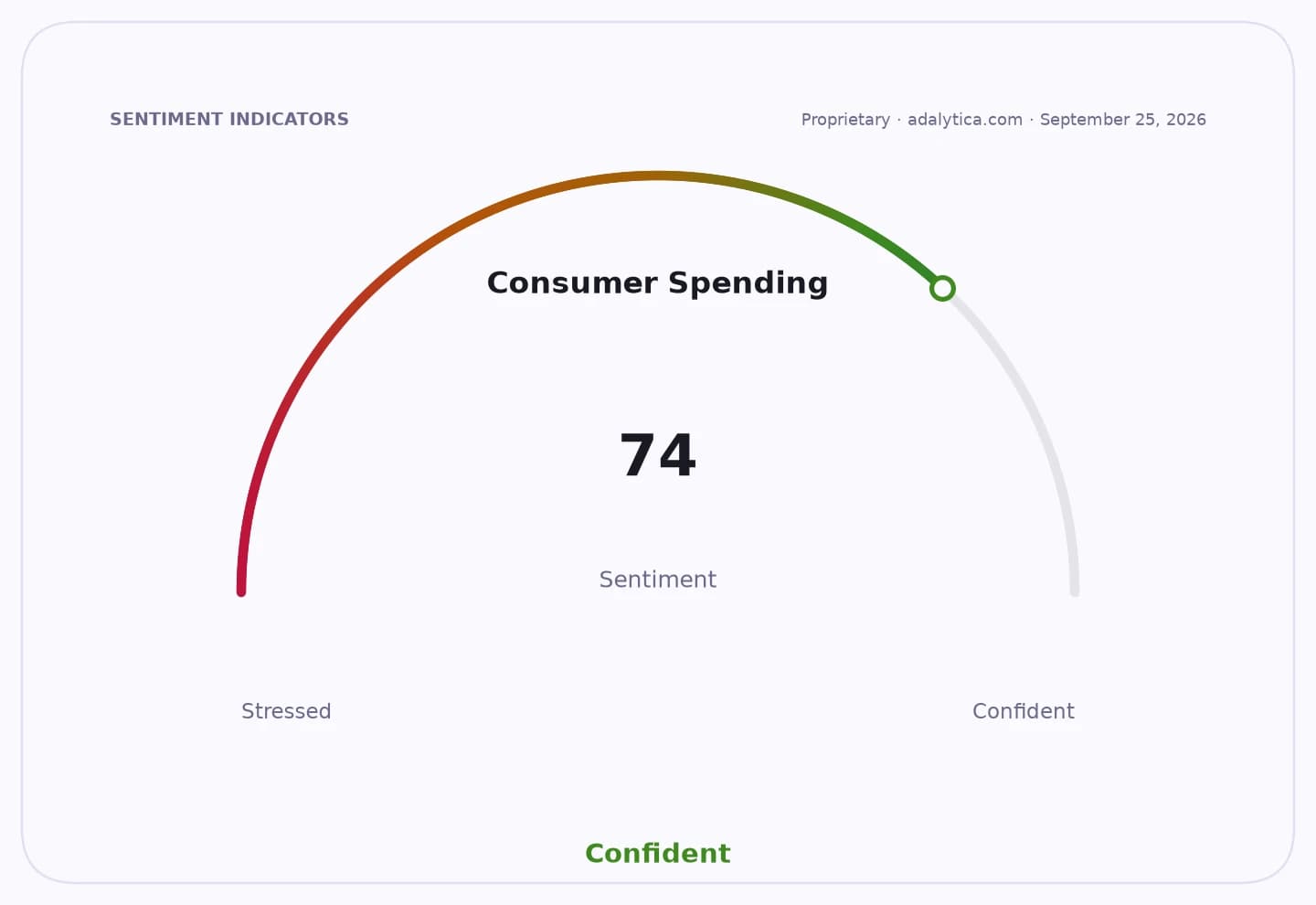
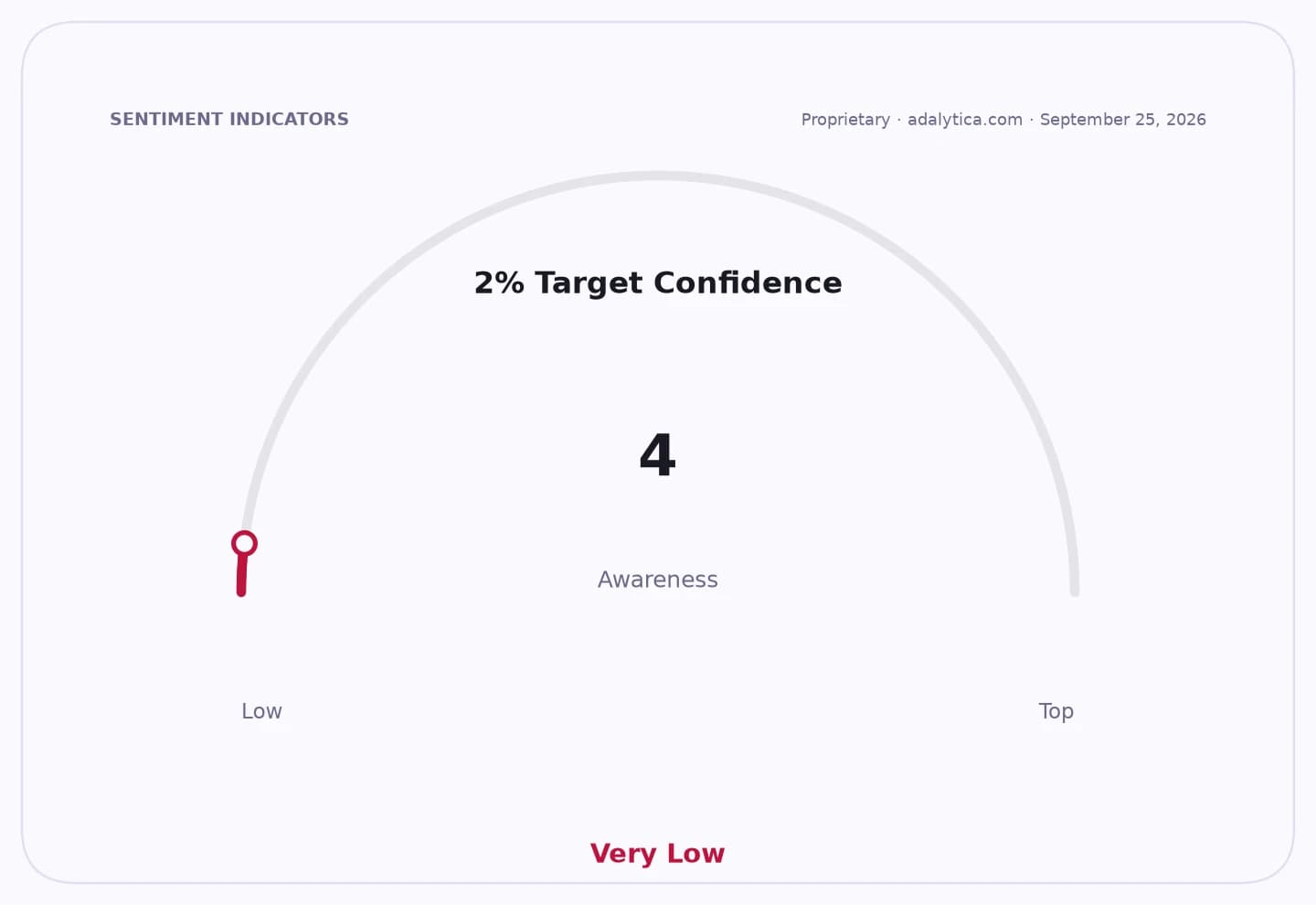
Sentiment IndicatorsⓘProprietary · adalytica.com · August 20, 2026
This is a snapshot — live sentiment, awareness and momentum for 130+ markets update continuously in the dashboard.Open AlphaPulse
That pressure comes as US employers continue to add jobs overall but remain selective in hiring. The unemployment rate is running near 4.1% to 4.3% in the latest readings and is forecast to edge to 4.09% in August, while nonfarm payrolls are still near 158.9 million, underscoring that the labor market is cooling only gradually rather than seizing up.
Still, the headline tension is in tech. Oracle is preparing another round of layoffs before September, and companies across software and cloud are channeling more capital into artificial intelligence, a shift that is forcing slower hiring in some legacy roles even as demand for AI talent improves. Microsoft and Amazon filings also flag intense competition for specialized workers, but that competition is increasingly concentrated in AI and infrastructure rather than broad-based hiring.
For investors, that means layoffs are no longer just a cost-cutting story. They are a signal that firms are reallocating labor toward AI spending, which can support long-term productivity but also squeeze near-term margins and keep pressure on white-collar employment, especially among visa-dependent workers.
The broader market backdrop is mixed. The Nasdaq 100, tracked by the QQQ ETF, has recovered to about $712.33 after swinging sharply in recent weeks, with its 50-day moving average near $712.96 and RSI at 63.3, suggesting the tech rally has stabilized but is not without volatility. The S&P 500, according to Adalytica trade signals, shows neutral sentiment at 39 with elevated awareness, reflecting a market that is attentive to labor and growth risks but not yet panicked.
The key question now is whether layoffs in tech stay contained or spread into consulting, manufacturing and other sectors as companies chase efficiency and AI investment. Upcoming payrolls data and further corporate restructuring announcements will show whether displaced H-1B workers are facing a temporary squeeze or the start of a wider labor-market reset.
| Entity | Gains | Losses |
|---|---|---|
| AI-heavy employers | ▲Lower hiring costs | ▼Short-term transition friction |
| Laid-off H-1B workers | ▲Possible return-to-India reset | ▼Visa clock and job search squeeze |
| Big Tech investors | ▲Efficiency gains from AI reallocation | ▼Margin pressure from restructuring |
| US labor market | ▲Still-strong overall employment | ▼More strain in specialized tech roles |