Teradyne is betting that the next big wave in artificial intelligence will need more than software and chips — it will need a faster way to test the electronics that power robots, autonomous systems and other edge devices.
Teradyne launches Omnyx Edge board testing platform
That is the real importance of Omnyx Edge, the company’s new online board testing platform for physical and edge AI. For investors, the launch matters because it pushes Teradyne deeper into a secular growth market where AI adoption is spilling out of data centers and into factories, vehicles and connected devices. As that happens, the test and measurement companies that help verify complex hardware should gain a larger role in the supply chain.
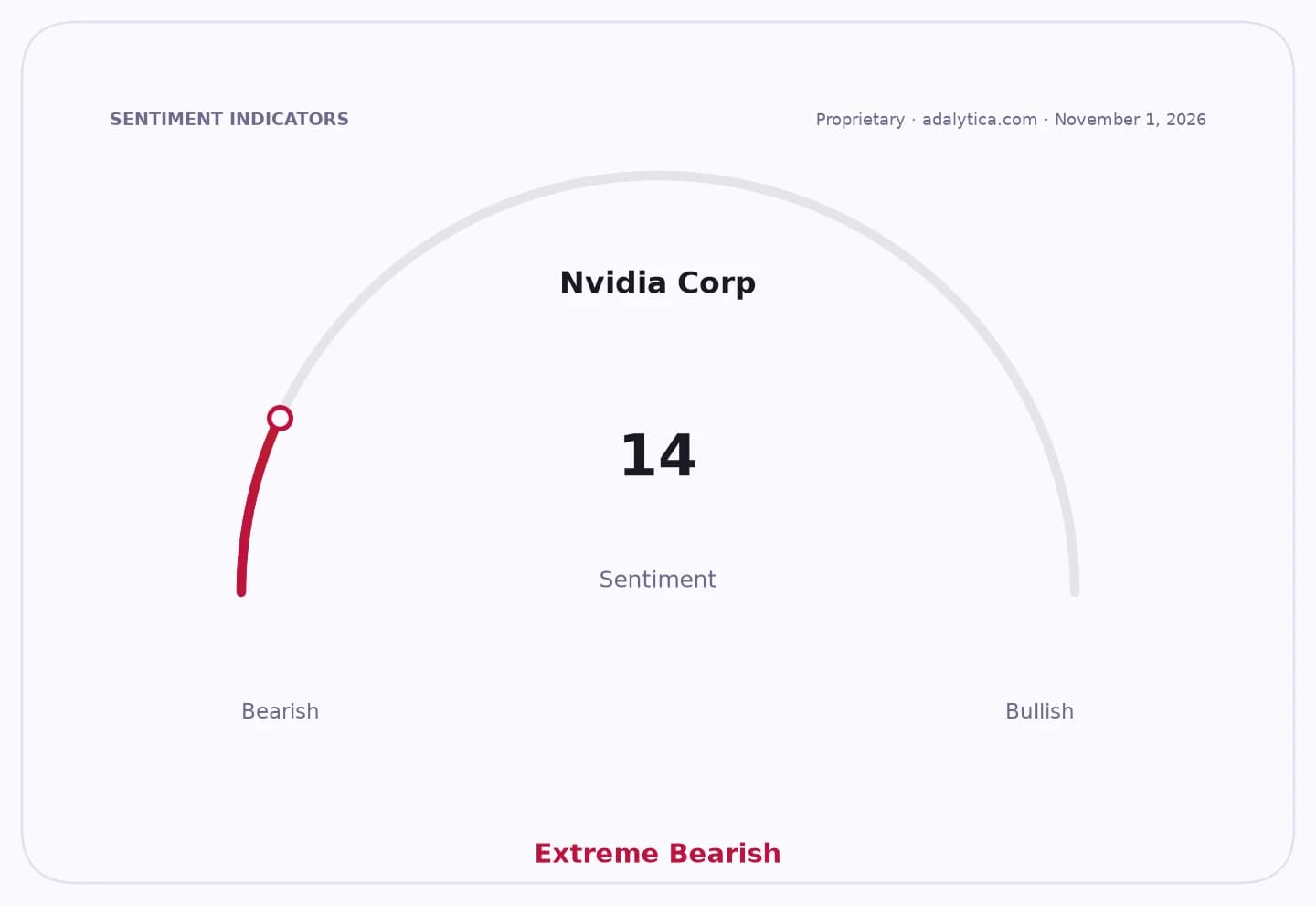
Sentiment Indicators
Teradyne has long been known as a leading automated test equipment maker, but this product broadens the story. The company is positioning itself to profit not just from semiconductor testing, but from the growing need to validate the boards and systems that sit closest to real-world AI workloads. That is a meaningful distinction. Physical AI — machines that perceive, decide and act in the physical world — requires reliable electronics, and reliability is where test equipment earns its keep.
The timing also matters. AI hardware spending remains uneven, but the long-term investment case is being reinforced by the shift toward edge computing, robotics and embedded intelligence. Those are areas where customers care about uptime, power efficiency and fault detection, not just raw model performance. A platform like Omnyx Edge fits that need by helping manufacturers test boards online, potentially reducing bottlenecks and improving throughput.
Teradyne’s shares have already been volatile, and the technical backdrop shows why investors should avoid reading too much into near-term price swings. The stock recently traded below both its 50-day and 200-day moving averages after a sharp pullback from higher levels, while relative strength readings pointed to a cooled-off momentum picture. That is the kind of setup that can frustrate traders but can also create opportunities for long-term investors if the underlying business keeps expanding into durable AI infrastructure.
The broader competitive backdrop is also supportive. The AI hardware ecosystem is becoming more complex, with semiconductor makers, board designers and equipment suppliers all trying to secure their place in the stack. Teradyne’s move into edge AI testing suggests it does not want to be boxed into a narrow chip-cycle story. Instead, it is trying to own more of the validation work that every new generation of AI hardware will require.
There are still risks. Hardware spending can slow quickly, customers can delay capacity additions, and competition in test equipment is intense. But if physical AI scales the way investors expect, the companies enabling dependable production — not just the headline-grabbing chipmakers — could become some of the market’s best compounding stories.
For long-term investors, Omnyx Edge looks like a sensible extension of Teradyne’s moat rather than a flashy one-off launch. It is worth watching as a potential way to participate in the AI buildout without relying solely on the most crowded names in the semiconductor trade.
| Entity | Gains | Losses |
|---|---|---|
| Teradyne | ▲Broader AI test revenue opportunity | ▼Near-term execution risk |
| AI hardware makers | ▲Faster board validation | ▼Added testing costs |
| Chip suppliers | ▲Stronger ecosystem demand | ▼More scrutiny on reliability |
| Short-term traders | ▲Volatility to trade | ▼Momentum whipsaws |