Vodafone is using the AI boom to reposition its enterprise business, but the harder question for investors is whether the telco can turn broad adoption into profitable growth.
Vodafone AI push targets enterprise growth
That tension sits at the heart of Vodafone Ireland business director Jo Gilfoy’s message that “everybody will get there, though maybe at a different pace.” The line captures the commercial reality facing telecoms groups: corporate clients want AI capabilities, but many are still at the stage of experimenting with productivity tools rather than signing up for large, recurring contracts that move revenue.
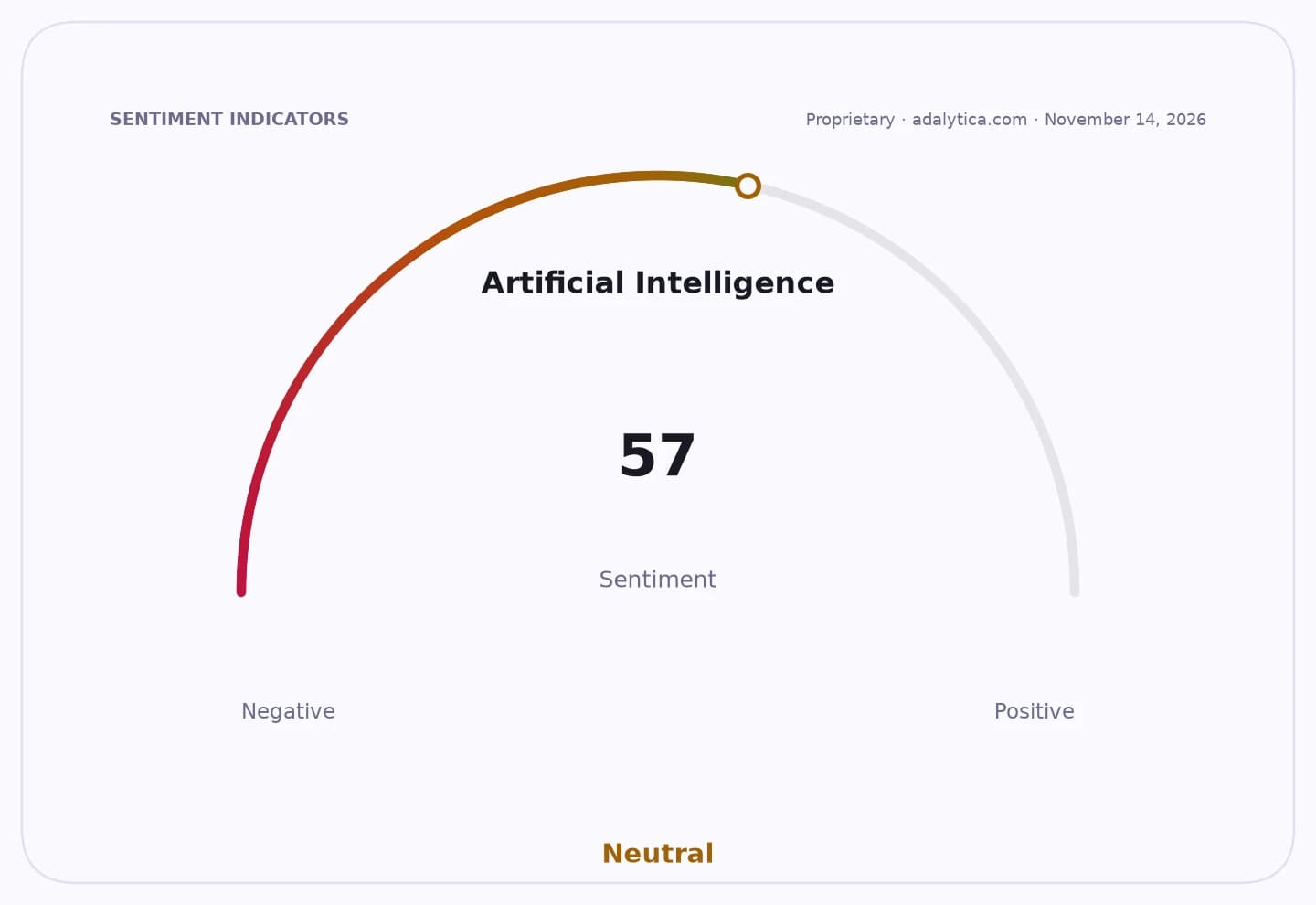
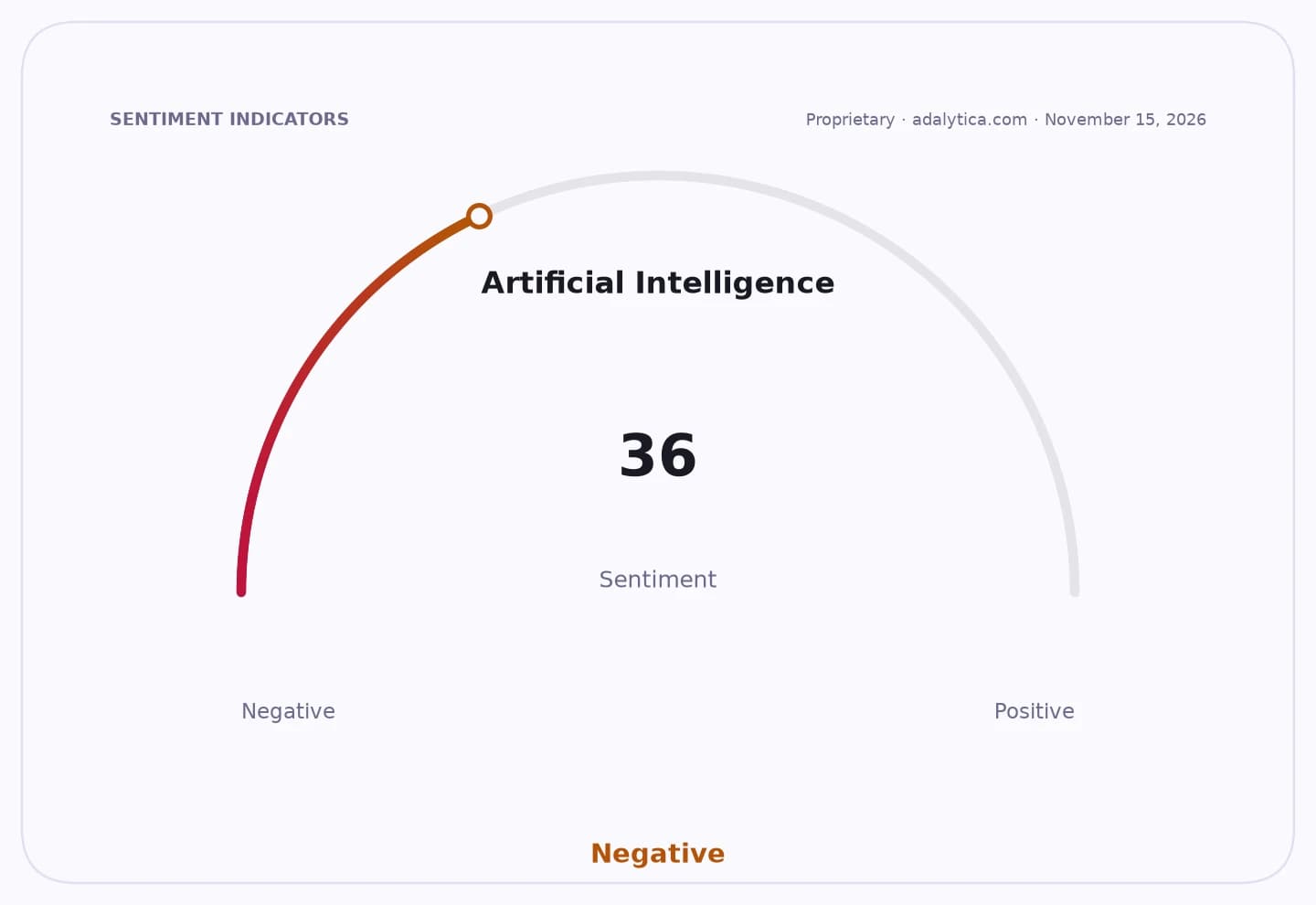
Sentiment Indicators
For Vodafone, the stakes are material. Business services remain a key growth pillar as consumer telecoms markets mature and pricing competition stays intense. Vodafone’s latest filing showed business service revenue rising 1.1%, but slipping 0.2% on an organic basis, suggesting that demand for newer digital services is helping offset weakness elsewhere rather than yet delivering a broad-based acceleration. That is the central investor issue: AI can deepen customer relationships and improve the value of connectivity, cloud and software-defined networking, but it also risks becoming a feature rather than a fee-generating product.
The broader corporate backdrop is mixed. A recent survey of 500 senior executives found that only a third of AI programs are meeting or exceeding their business cases, even though 58% reported productivity gains. Just 21% saw measurable revenue growth. That split underlines the gap between enthusiasm and monetization, and explains why many firms are still demanding proof that AI can pay for itself before committing to larger deployments.
Vodafone’s own pitch suggests it sees AI as part of a wider enterprise bundle rather than a standalone revenue line. The company has said it is expanding next-generation connectivity, scaling financial services, and growing digital services built on SDN, SaaS and digital communications. In practice, that means AI is most likely to sell when bundled with the day-to-day tools firms already buy from their telecoms provider: secure networks, data flows, customer support systems and workflow software.
For investors, that makes Vodafone’s AI strategy a margin story as much as a growth story. If AI helps the company cross-sell higher-value services, it could improve the quality of enterprise revenue and support a rerating in a sector often viewed as low-growth. If adoption remains uneven, the company may still need to absorb upfront sales, product and infrastructure costs before revenue follows.
The market backdrop also matters. Vodafone’s shares have been trading above both the 50-day and 200-day moving averages, even as momentum indicators have cooled in recent sessions, suggesting the stock has benefited from a broader appetite for telecoms and AI-linked infrastructure plays. But the recent pullback in share price from earlier highs shows investors are likely to demand evidence that AI is contributing to earnings, not just messaging.
The key catalyst will be whether Vodafone can convert pilot projects into contracts with measurable returns. For now, the investment case rests on a familiar telecoms proposition: AI may not transform the business overnight, but it could help Vodafone defend relevance in enterprise markets where customers increasingly expect connectivity providers to deliver more than bandwidth.
| Entity | Gains | Losses |
|---|---|---|
| Vodafone | ▲Higher-value enterprise sales | ▼Higher rollout and sales costs |
| Corporate customers | ▲Productivity tools and automation | ▼Unproven ROI and integration burden |
| Telecom rivals | ▲AI-led service demand | ▼Pressure to keep up on bundled offerings |
| Investors | ▲Potential margin uplift | ▼Delayed monetization risk |