Sunrise has launched what it says is the world’s first mobile subscription with an integrated AI assistant, a move aimed at turning a commodity telecom service into a more flexible, premium digital product and lifting customer value in a brutally competitive market.
Sunrise launches Five mobile plan with AI assistant
The Swiss operator’s new Five brand starts at 14 francs a month and lets users assemble their own package through an app, with no minimum term, no activation fee and monthly cancellation. The pitch is less about cheap data and more about convenience, personalization and a built-in AI assistant from Swiss provider Phoeniqs that can help customers configure the plan and answer queries. For Sunrise, the strategic bet is that a telecom subscription bundled with AI functionality can reduce churn, appeal to younger and digitally native users, and create a product that is harder to compare purely on price.
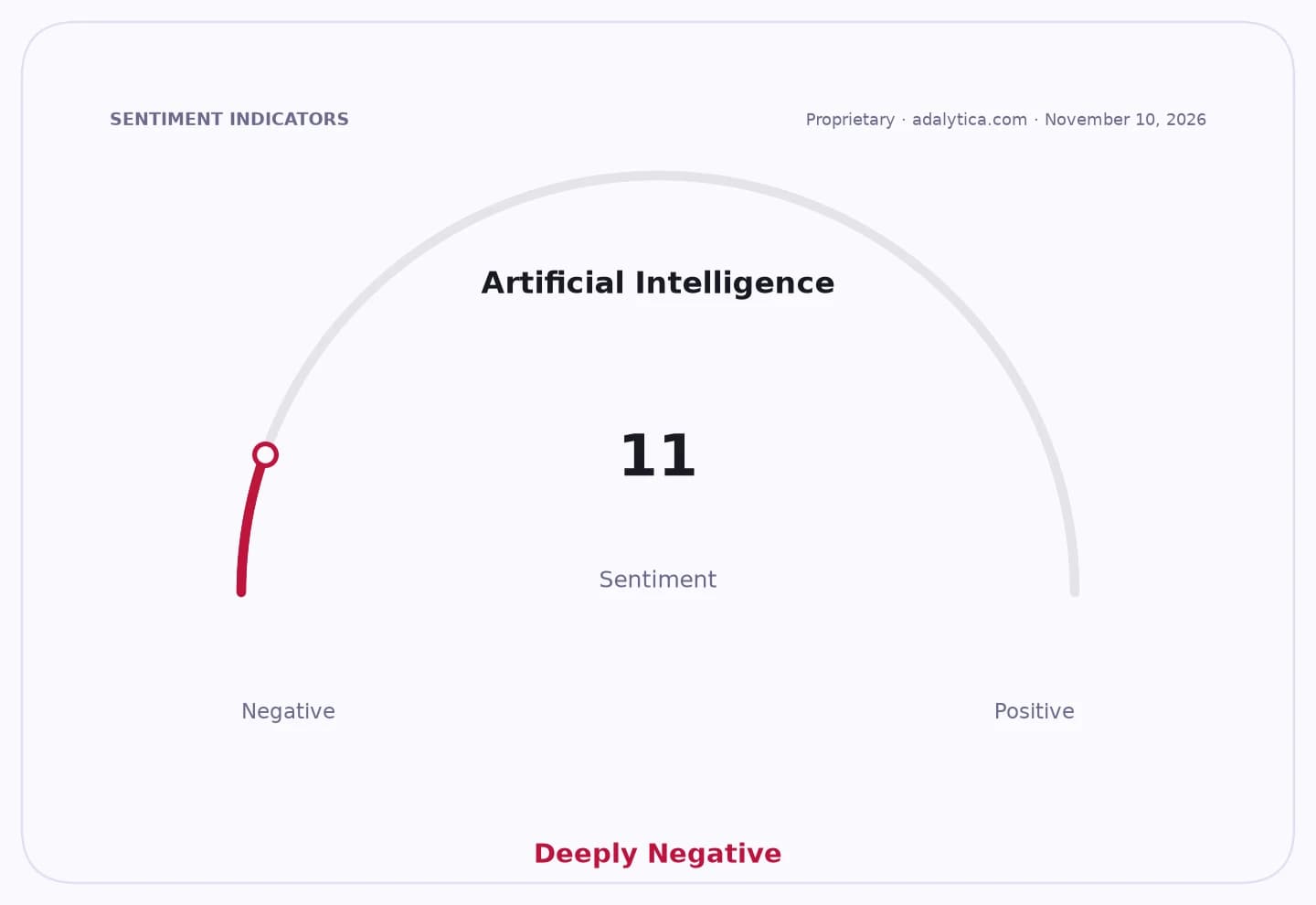
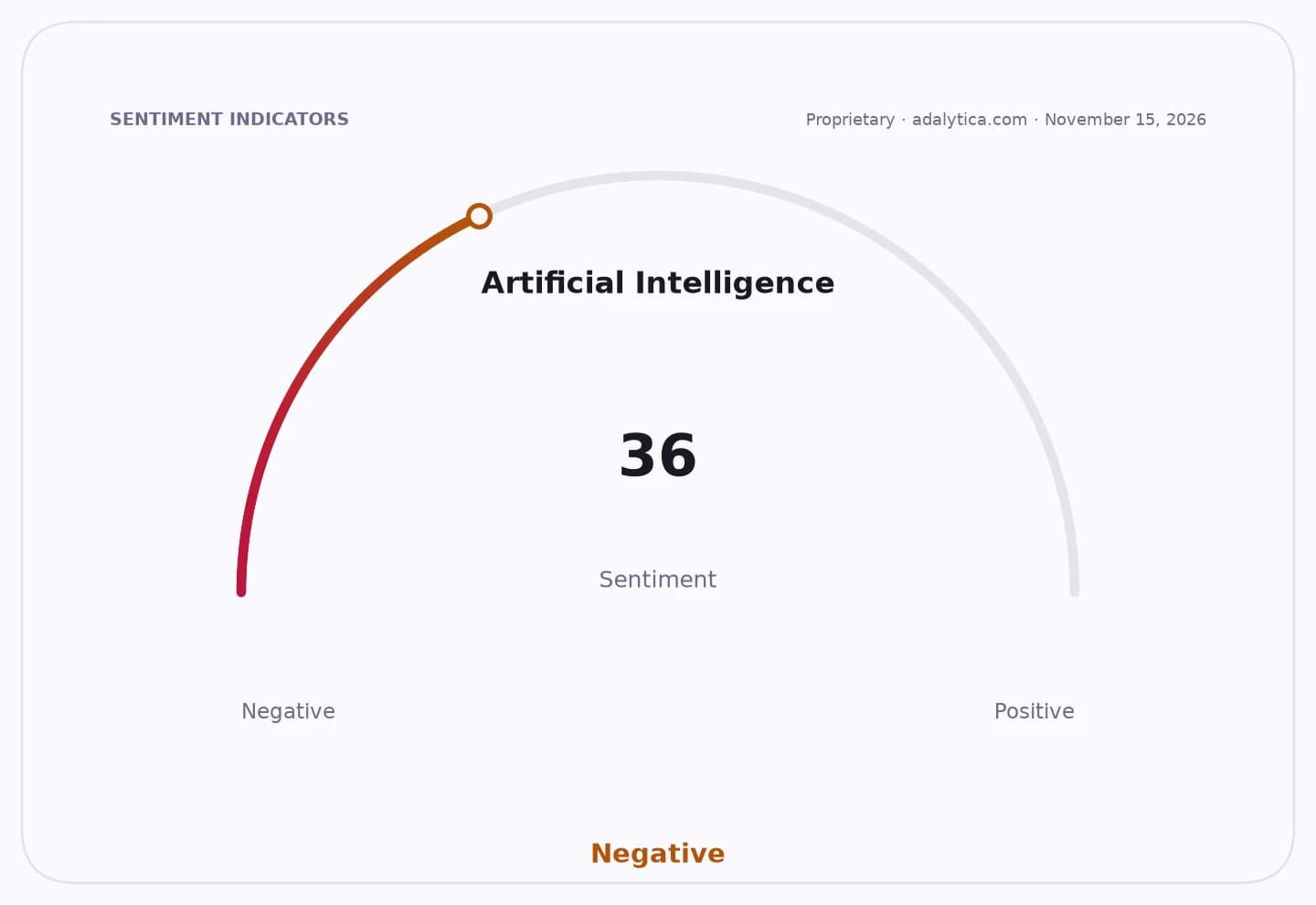
Sentiment Indicators
That matters economically because telecom groups across Europe have been struggling to grow service revenue in mature markets where pricing power is limited and network investment remains heavy. If Sunrise can move customers toward a subscription that feels more like a digital service than a standard SIM plan, it may be able to defend margins and improve monetization per user. The plan’s modular structure also gives the company more room to steer users toward higher data and roaming spend, even if the base offer is inexpensive.
The reaction from Swiss telecom specialists was broadly positive, but cautious. Jean-Claude Frick of price-comparison site Comparis said the ability to adjust an agreement through a chatbot was “innovative” and suited the times, while noting the product is not a price leader. Ralf Beyeler of Moneyland said the package could be cheap for customers who would otherwise pay for a standalone AI subscription, but more expensive for users who do not value the AI component. Oliver Zadori of dschungelkompass.ch also flagged that the real test will be whether the assistant works well in practice, since it could not be fully evaluated before launch.
That tension goes to the heart of the investment case. Bulls will argue Sunrise is creating a differentiated offering in a sector where most plans are interchangeable, and that pairing a subscription with AI could increase engagement and lower churn. Bears will counter that the model adds complexity, may not be meaningfully cheaper than rivals for many users, and depends on whether a Swiss-made AI assistant can compete with the large language models consumers already know. The claim that the assistant also works abroad without roaming charges may help marketing, but it will not matter if the user experience disappoints.
For investors, the launch is less about immediate earnings and more about whether Sunrise can build a repeatable model for premiumization. The stock’s recent trading has been choppy, with Sunrise shares around 55.5 francs on Wednesday after recovering from earlier weakness, while broader telecom peers remain under pressure from a slow-growth backdrop. If Five attracts a niche audience willing to pay for convenience and AI integration, Sunrise could gain a useful differentiator. If not, the product risks becoming another marketing-led bundle in a market where consumers still make decisions on price, coverage and speed first.
The next test will be adoption: how many customers choose the AI plan, whether they keep it, and whether Sunrise can translate the concept into higher service revenue without eroding simplicity. For now, the launch shows telecom groups are looking beyond connectivity and trying to own a bigger share of the consumer’s digital routine.
| Entity | Gains | Losses |
|---|---|---|
| Sunrise / Five | ▲Product differentiation | ▼Commodity pricing pressure |
| AI-heavy subscribers | ▲Bundled convenience | ▼Standalone AI subscription costs |
| Low-cost-only customers | ▲Flexible cancellation | ▼Simpler cheaper plans elsewhere |
| Rivals without AI bundles | ▲— | ▼Marketing and feature gap |