Generative AI is moving from a tech-boardroom talking point into the car business because automakers need cheaper ways to build software, cut engineering time and keep pace with a vehicle that is increasingly defined by code rather than sheet metal.
Tesla GM Ford adopt generative AI in auto software

That shift matters economically because the industry’s margins are being squeezed by heavier spending on electrification, autonomy and connected-car software at the same time that consumer demand remains uneven. For legacy carmakers, AI is not just about flashy in-car assistants; it is a cost-management tool and a productivity lever in a capital-intensive sector where a few percentage points of efficiency can decide whether a new platform earns its keep.
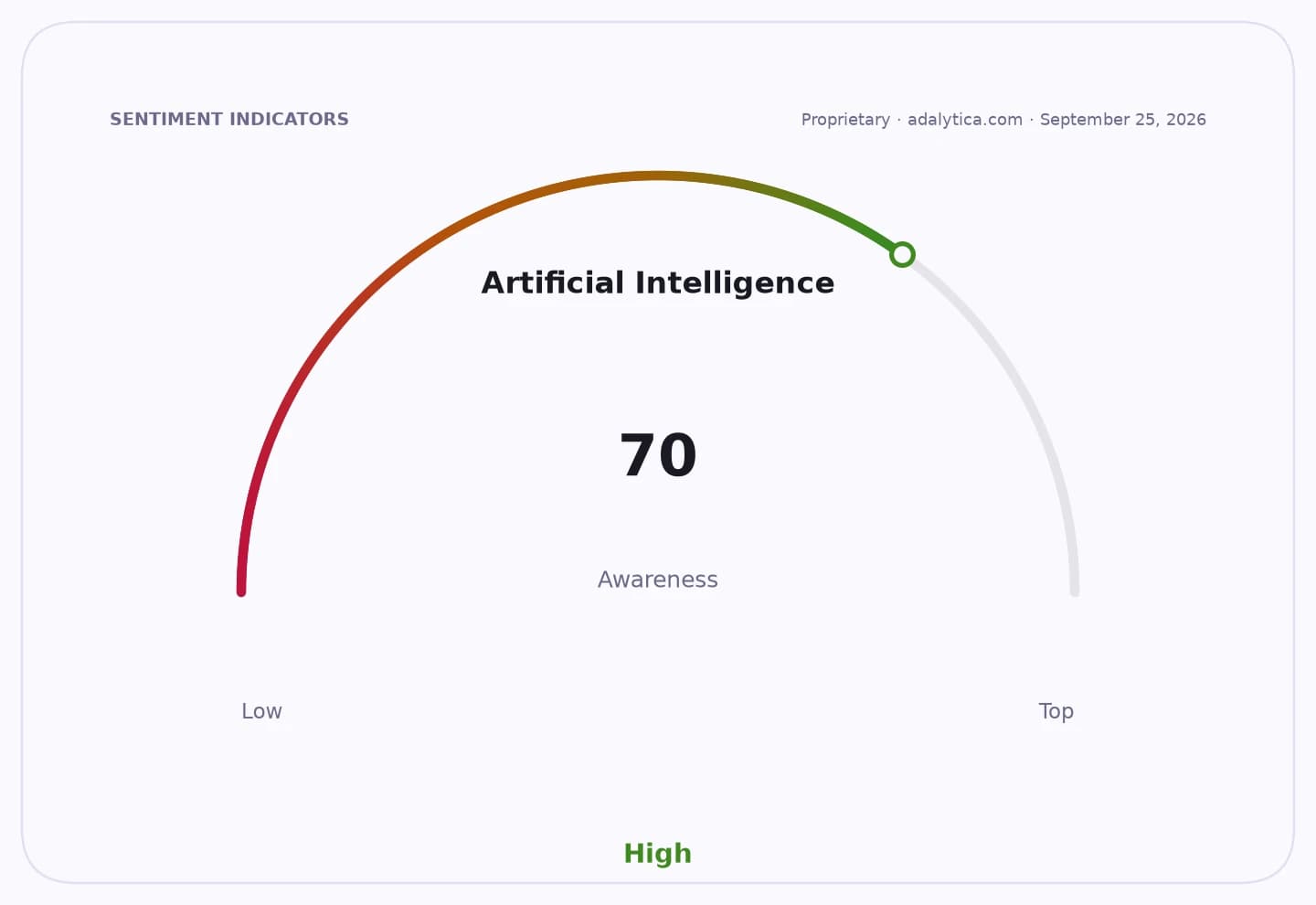
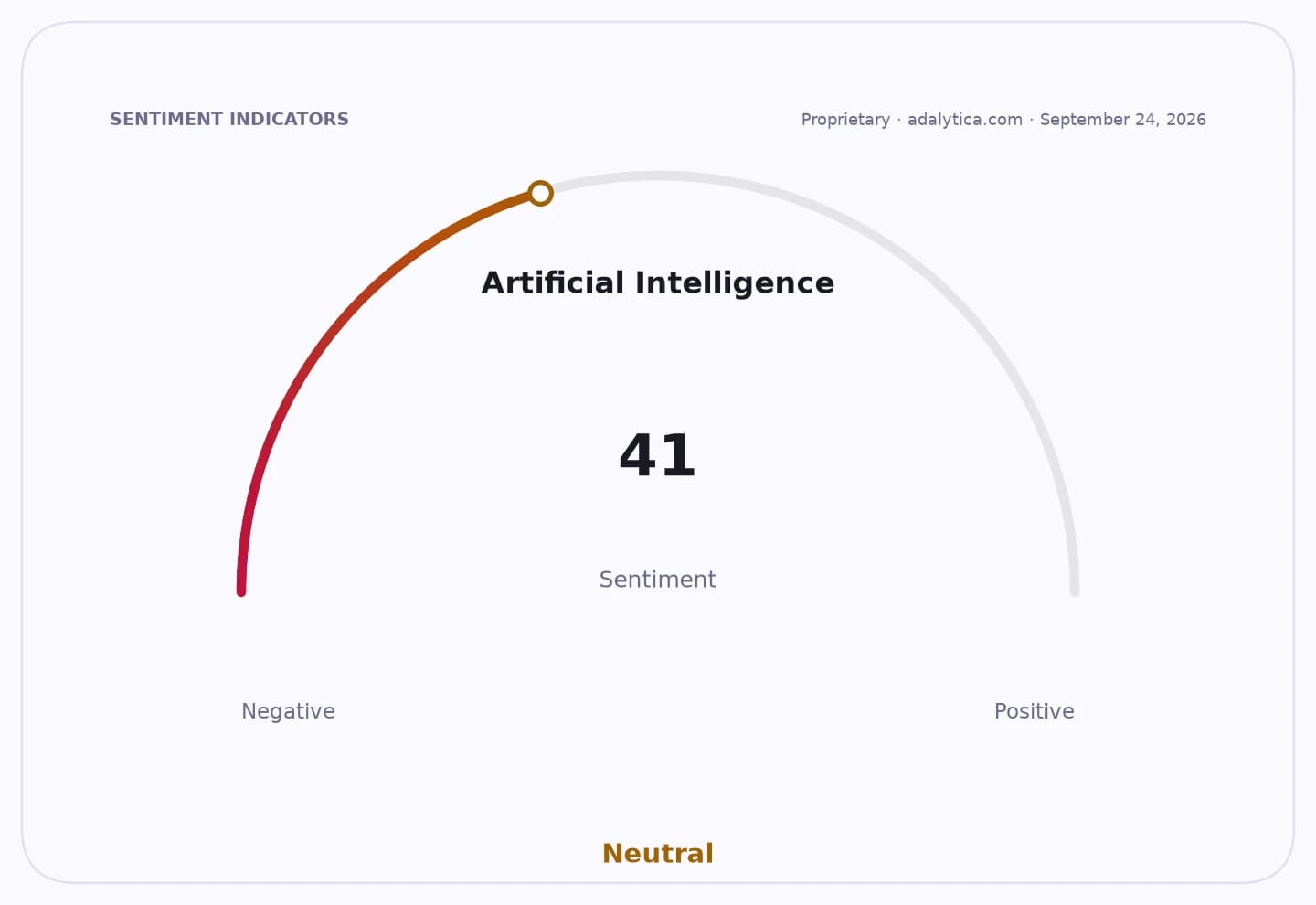
Sentiment IndicatorsⓘProprietary · adalytica.com · September 5, 2026
This is a snapshot — live sentiment, awareness and momentum for 130+ markets update continuously in the dashboard.Open AlphaPulse
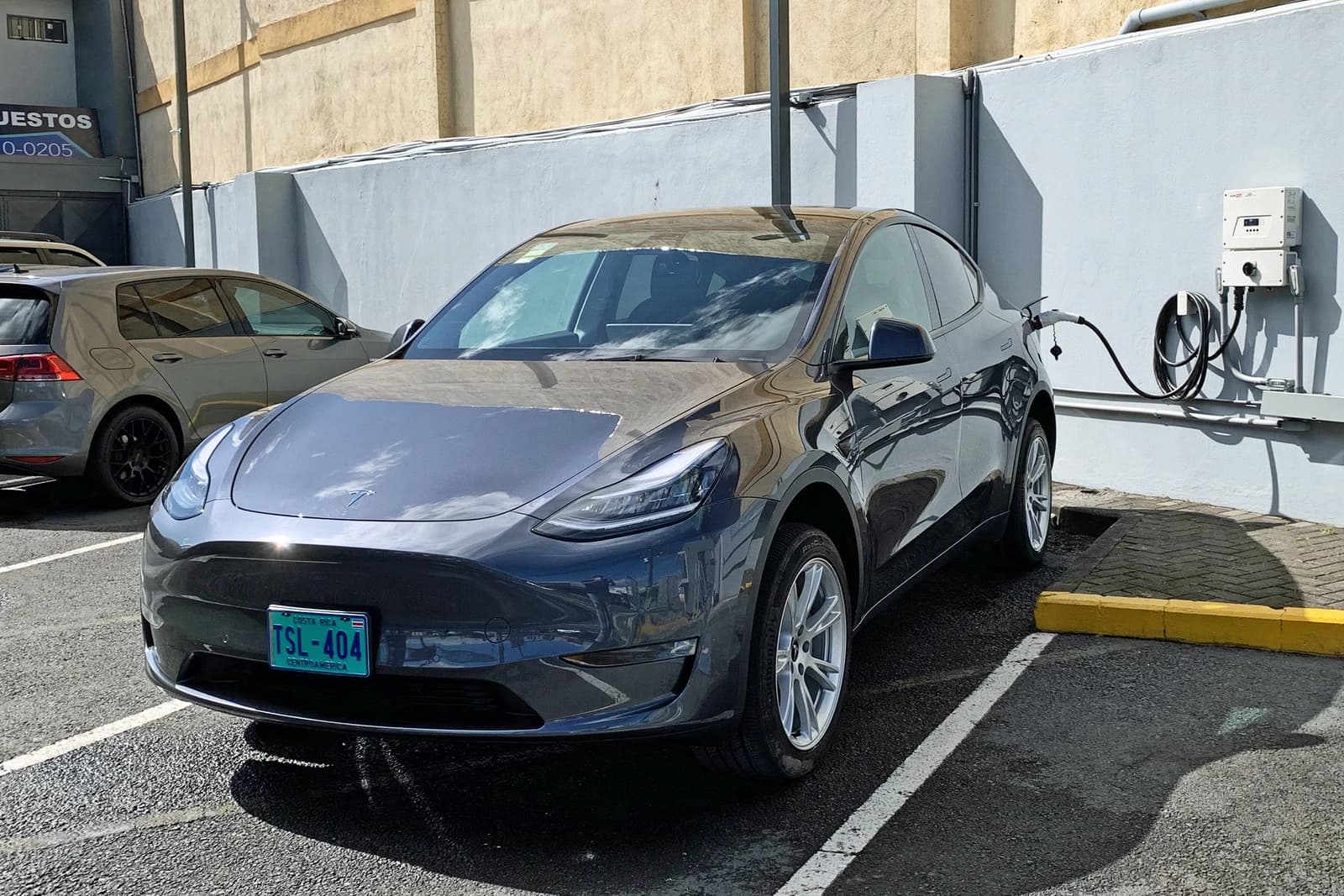
Tesla, General Motors and Ford are all being pulled toward the same conclusion, even if their strategies differ. Tesla’s shares have stayed volatile, with the stock recently trading around $354 and hovering near its 50-day moving average, while its RSI readings have swung from overbought territory into a more neutral range, underscoring investor sensitivity to execution around its AI-heavy narrative. GM has been trading near $88, above both its 50-day and 200-day moving averages, suggesting the market is rewarding steadier earnings delivery and execution. Ford, by contrast, has remained a lower-multiple name around $14.62, with a much more subdued profile that reflects the market’s view that it still has to prove AI can translate into durable margin improvement.
The broader industry context is a race to embed generative AI in design, testing, manufacturing and customer-service workflows. In practice, that means using large language models and related tools to automate coding, summarize engineering data, accelerate troubleshooting and help dealers and drivers navigate increasingly complex software stacks. Carmakers are also looking at AI to reduce warranty costs and improve supply-chain planning, areas where legacy inefficiencies can quickly eat into returns.
Investors have reason to pay attention because the beneficiaries are unlikely to be evenly spread. The companies that can use AI to compress development cycles or lift software monetization stand to widen their competitive moat. The ones that treat it as a branding exercise may face the same structural problem as before: high fixed costs, slow product refreshes and weak pricing power. That is why the market is increasingly separating firms with credible AI infrastructure, like Tesla and its compute build-out, from those still playing catch-up in software architecture.
There are risks. AI investment can inflate upfront spending before it shows up in revenue, and it raises questions about data security, regulatory scrutiny and accountability when software touches safety-critical functions. But for an auto industry under pressure to do more with less, the economics of generative AI are hard to ignore. The next test is whether these systems can move beyond pilot projects and into the core of vehicle development, factory operations and customer interaction, where the payoff will be measured less in headlines than in margins.
| Entity | Gains | Losses |
|---|---|---|
| Tesla | ▲AI-led software edge | ▼Execution risk if spending outruns returns |
| GM | ▲Lower engineering costs | ▼Higher AI investment burden |
| Ford | ▲Faster workflow automation | ▼Limited margin relief if adoption lags |
| Legacy suppliers | ▲New software demand | ▼Traditional labor-intensive processes |