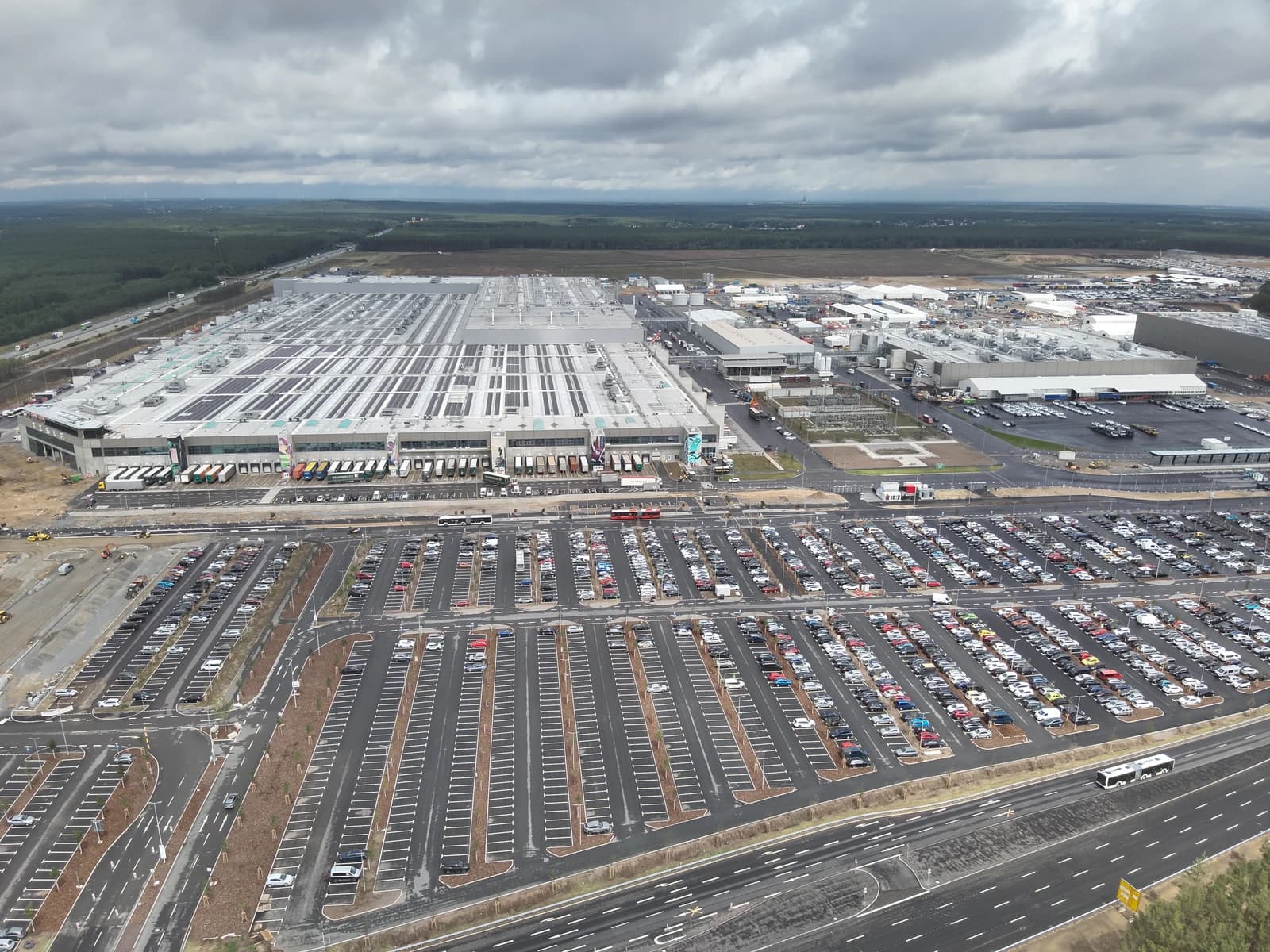
Elon Musk’s political setback in the midterms matters because it raises the odds that Washington becomes a harder place for Tesla, SpaceX and Starlink to do business just as his companies are leaning more heavily on regulation-sensitive growth.
Tesla Faces Policy Risk After Musk Midterm Setback
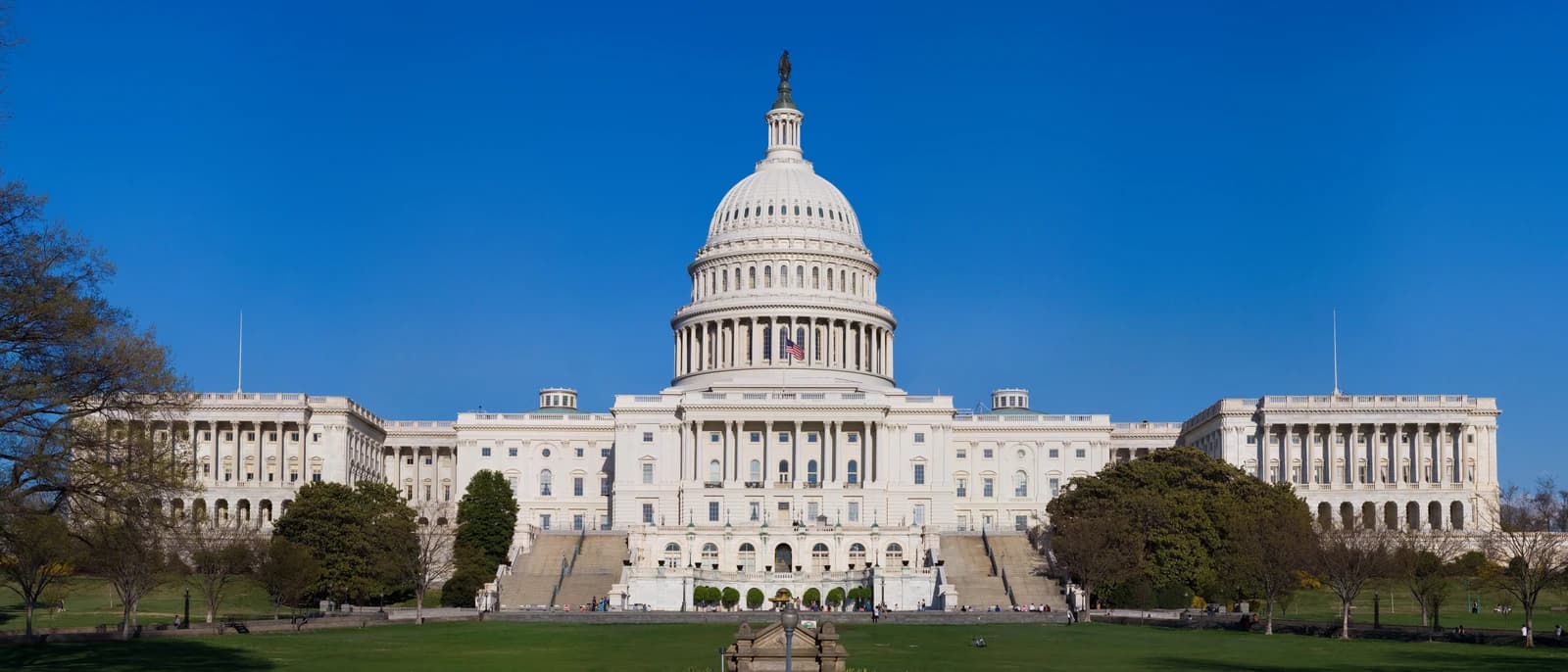
For investors, that is more than a headline risk. Musk’s empire depends on public policy in ways most CEOs do not: electric-vehicle credits, federal infrastructure support, space contracts, spectrum fights and overseas military-linked communications. If Congress is less sympathetic, the market has to price in slower approvals, tougher oversight and a greater chance that policy becomes a drag on margins and valuation rather than a tailwind.
Sentiment Indicators
The stock action suggests the market is already wrestling with that shift. Tesla has slid to $358.22 from $489.88 in mid-December, a drop of roughly 27%, even after a rebound from earlier lows. The 50-day moving average sits above the current price, while RSI readings have cooled into the high 30s, a sign of weakened momentum after a sharp run-up and reversal. For a company priced on future scale, that matters: when policy risk rises, so does the discount rate investors apply to ambitious growth stories.
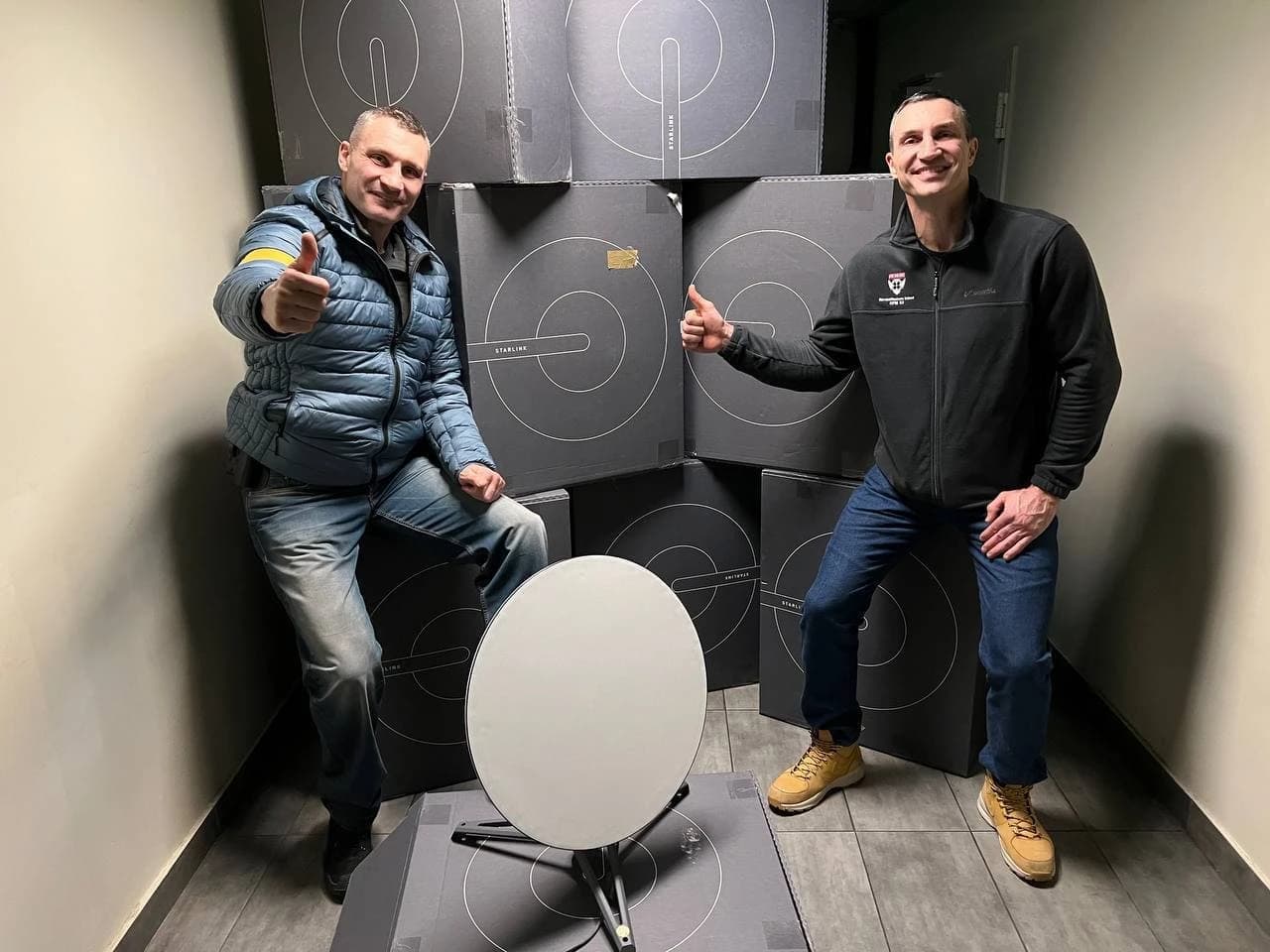
The broader setup is unfavorable for Musk’s political shield. Reuters-reported context around the election points to mounting criticism over Starlink’s role in Ukraine and Musk’s public attacks on European leaders, both of which made him an easier target for lawmakers. That comes at a time when Tesla is still spending heavily to expand. Its latest filing showed nine-month capital expenditures of $13.01 billion, more than double the $6.13 billion a year earlier, underscoring how much execution depends on access to capital, regulation and government tolerance.
This is why the real story is not just Musk’s bruised ego. It is the potential for a genuine policy overhang across the Musk complex. Tesla does not need Washington to love him, but it does need a functioning relationship with regulators and lawmakers. SpaceX needs contracts and a permissive political environment. Starlink needs clean legal and geopolitical lanes. A hostile Congress can complicate all three.
The market’s next test is whether investors treat this as a one-off political squall or the start of a more durable Washington discount on Musk assets. I believe it is the latter. If Congress hardens against him, the asymmetric trade shifts away from blindly owning the narrative and toward selective exposure to the picks-and-shovels beneficiaries around AI, defense, aerospace and infrastructure, while Tesla remains vulnerable to every new policy headline. For now, the message is simple: Musk has less political cover, and that should keep a lid on the multiple.
| Entity | Gains | Losses |
|---|---|---|
| Congress critics of Musk | ▲More leverage | ▼Less pressure to accommodate |
| Tesla shareholders | ▲Potential buy-the-dip opportunity | ▼Policy and valuation overhang |
| SpaceX and Starlink rivals | ▲Clearer regulatory path | ▼Musk’s political influence |
| Defense and aerospace suppliers | ▲More contract scrutiny demand | ▼Musk-linked contract advantage |