The Thai baht is likely to trade in a 33.00-33.80 per dollar range next week as investors weigh Middle East tensions, firmer oil prices and the pull of gold, according to Kasikornbank.
Thai baht seen in 33.00-33.80 range next week

KBANK said the baht closed at 33.50 on Thursday, after weakening early in the week with other Asian currencies as clashes involving the Houthis and Saudi Arabia and an attack on an oil tanker near the Strait of Hormuz lifted crude prices and drove demand for the dollar as a safe-haven currency. Brent-linked pressure on energy costs matters for Thailand because the country is a net oil importer, so a weaker baht can quickly feed into import bills, inflation expectations and corporate margins.
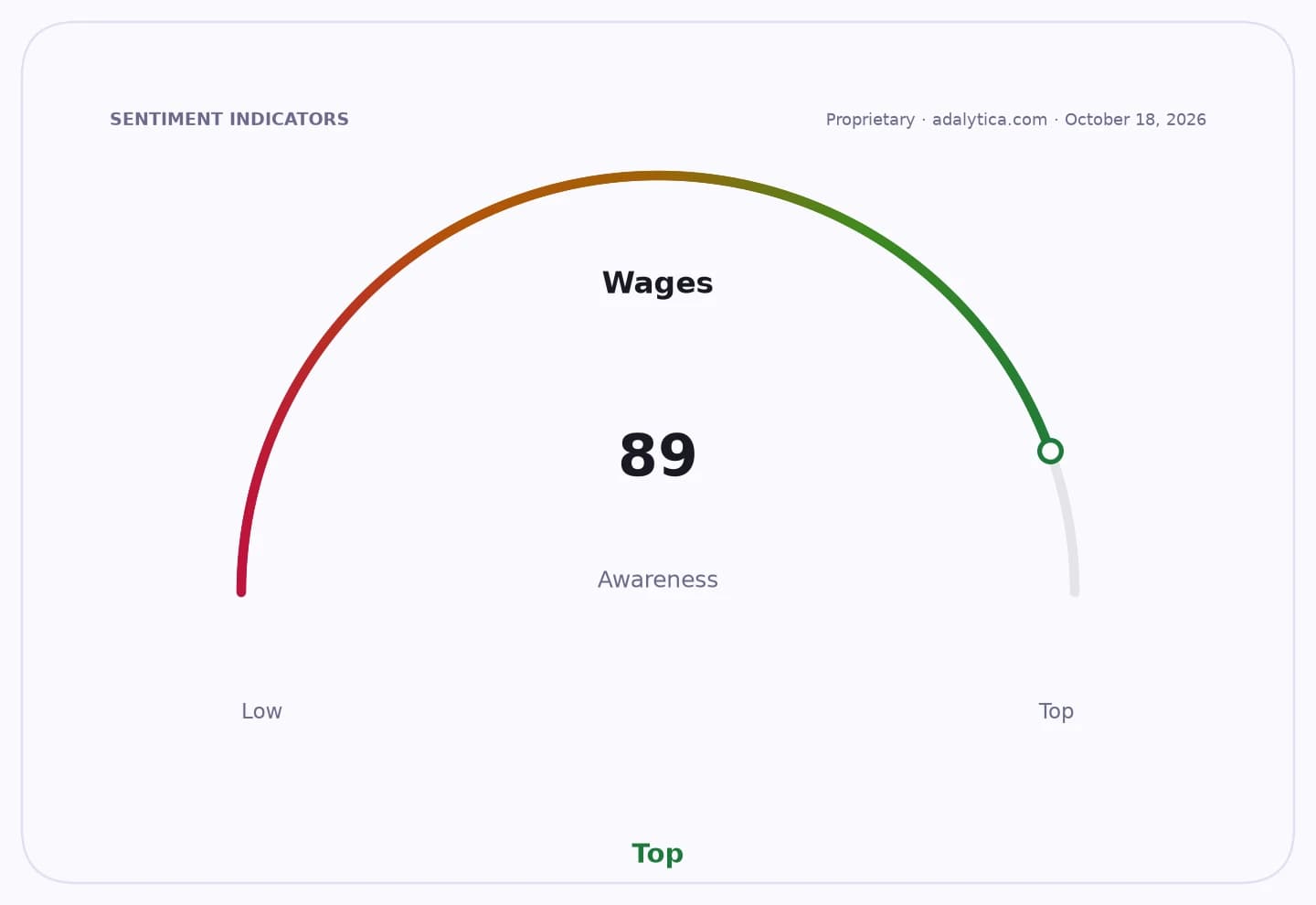
Sentiment IndicatorsⓘProprietary · adalytica.com · October 20, 2026
This is a snapshot — live sentiment, awareness and momentum for 130+ markets update continuously in the dashboard.Open AlphaPulse
The currency later recovered as foreign investors returned to net buying Thai bonds and global gold prices rebounded strongly, offsetting some of the dollar’s strength. That combination is important for local markets because portfolio inflows help stabilize the baht and can support Thai debt and equities, while a stronger gold price often improves sentiment toward Thailand’s gold-linked flows and export-related trading activity.
On Monday, the baht was around 33.60 per dollar, leaving it near the upper end of KBANK’s projected band and above both its 50-day and 200-day moving averages, based on conventional technical indicators. The dollar, meanwhile, was showing neutral readings in Adalytica’s U.S. Dollar Trade Signals snapshot, suggesting the currency is not yet in a decisive trend, even as traders remain sensitive to risk headlines.
Investors will now watch whether Middle East risk eases, whether oil and gold extend their recent moves, and whether foreign fund flows keep favoring Thai assets. U.S. housing data, flash PMI readings and weekly jobless claims, along with China’s third-quarter GDP and September activity data, could also shape broader dollar direction and set the tone for the baht into the end of the month.
| Entity | Gains | Losses |
|---|---|---|
| Thai exporters | ▲More baht competitiveness | ▼Lower translated revenues |
| Thai importers | ▲— | ▼Higher dollar-denominated costs |
| Foreign bond buyers | ▲Carry from Thai debt | ▼FX volatility risk |
| Thailand economy | ▲Gold and inflow support | ▼Oil-price inflation pressure |