The baht’s next move is likely to be set less by domestic optimism than by whether Thailand’s August inflation data gives policymakers room to stay patient while foreign money keeps probing local assets.
Thai baht eyed near 32.50-33.20 on CPI and flows

Kasikornbank expects the Thai currency to trade between 32.50 and 33.20 per dollar next week, after closing Friday at 32.91, with markets watching the August consumer-price report, foreign flows and the broader dollar backdrop. The range implies the baht may remain trapped in a relatively tight band, but the balance of risks still leans toward sensitivity to U.S. rates, Middle East tensions and global commodity prices.
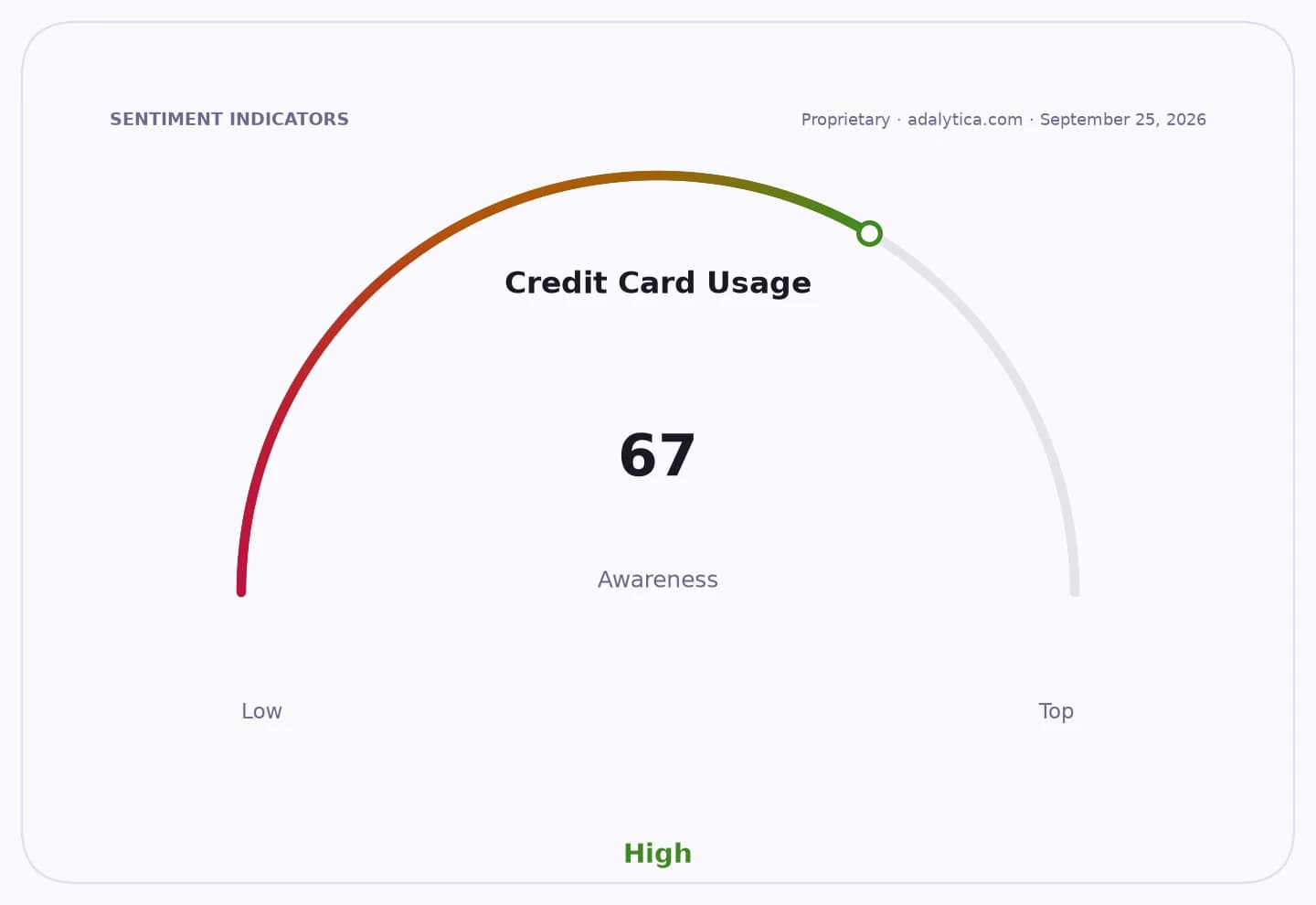
Sentiment IndicatorsⓘProprietary · adalytica.com · September 6, 2026
This is a snapshot — live sentiment, awareness and momentum for 130+ markets update continuously in the dashboard.Open AlphaPulse
The baht weakened earlier in the week to 33.38, its softest level in almost a month, as gold prices fell and the dollar strengthened on expectations the Federal Reserve will keep policy restrictive for longer after Chair Jerome Powell signaled concern that U.S. inflation may stay above target. Higher oil prices, driven by renewed tension in the Middle East, also supported the greenback as a haven and pressured Asian currencies, including the baht.
That move was partially reversed in midweek when the baht climbed back through 33 per dollar, tracking a firmer yen and a broader rebound in Asian currencies after signs Tokyo may scrutinize exchange-rate moves more closely and after Bank of Japan officials sounded more hawkish. A recovery in global gold prices also helped the baht, which often moves with bullion flows in the Thai market.
For investors, the key near-term question is whether Thailand’s inflation reading reinforces expectations that the Bank of Thailand can remain cautious, or whether rising energy costs begin to complicate the picture. That matters because policy differentials, not just growth, are driving foreign positioning across Asia. Thai diesel and gasoline prices were raised on Sept. 2, a reminder that imported energy costs can feed directly into inflation expectations and the currency.
Foreign investors were net buyers of Thai equities to the tune of 3.148 billion baht in the week to Sept. 4, but remained net sellers in the bond market with 5.881 billion baht in outflows, including 5.381 billion baht of net bond sales. That split matters: equity inflows can support sentiment, but persistent bond outflows suggest overseas investors still want more compensation for Thailand’s interest-rate and currency risk.
The baht’s direction will therefore hinge on a familiar combination of local inflation, external yield pressure and risk sentiment. A softer-than-expected Thai CPI print could ease pressure on domestic rates and support the baht, especially if foreign inflows into equities continue. A firmer reading, or another jump in oil prices, would likely reinforce the case for a weaker currency and keep the pair near the upper end of KBANK’s forecast band.
| Entity | Gains | Losses |
|---|---|---|
| Thai exporters | ▲Better revenue translation | ▼Higher import costs |
| Thai importers | ▲Stronger baht stability | ▼Weaker baht and energy bills |
| Foreign equity buyers | ▲Potential valuation support | ▼Currency volatility |
| Thai bondholders | ▲Lower inflation surprise | ▼Rising policy and FX risk |