Thai rice is gaining a pricing edge in the export market just as demand in China and wider Asia tilts toward better-quality grain, and that matters because the sector is moving from volume competition to margin competition.
Thai Rice Gains Pricing Power in Asia
The market is finally rewarding the exporters that can sell premium rice instead of chasing the lowest bid. That is the right backdrop for Thailand, where exporters have spent years fighting Indian and Vietnamese supply on price alone. Now, with domestic Thai rice prices stable while export prices keep rising, the story is not just about firmer grain markets — it is about a re-rating of who gets paid in the global rice trade.
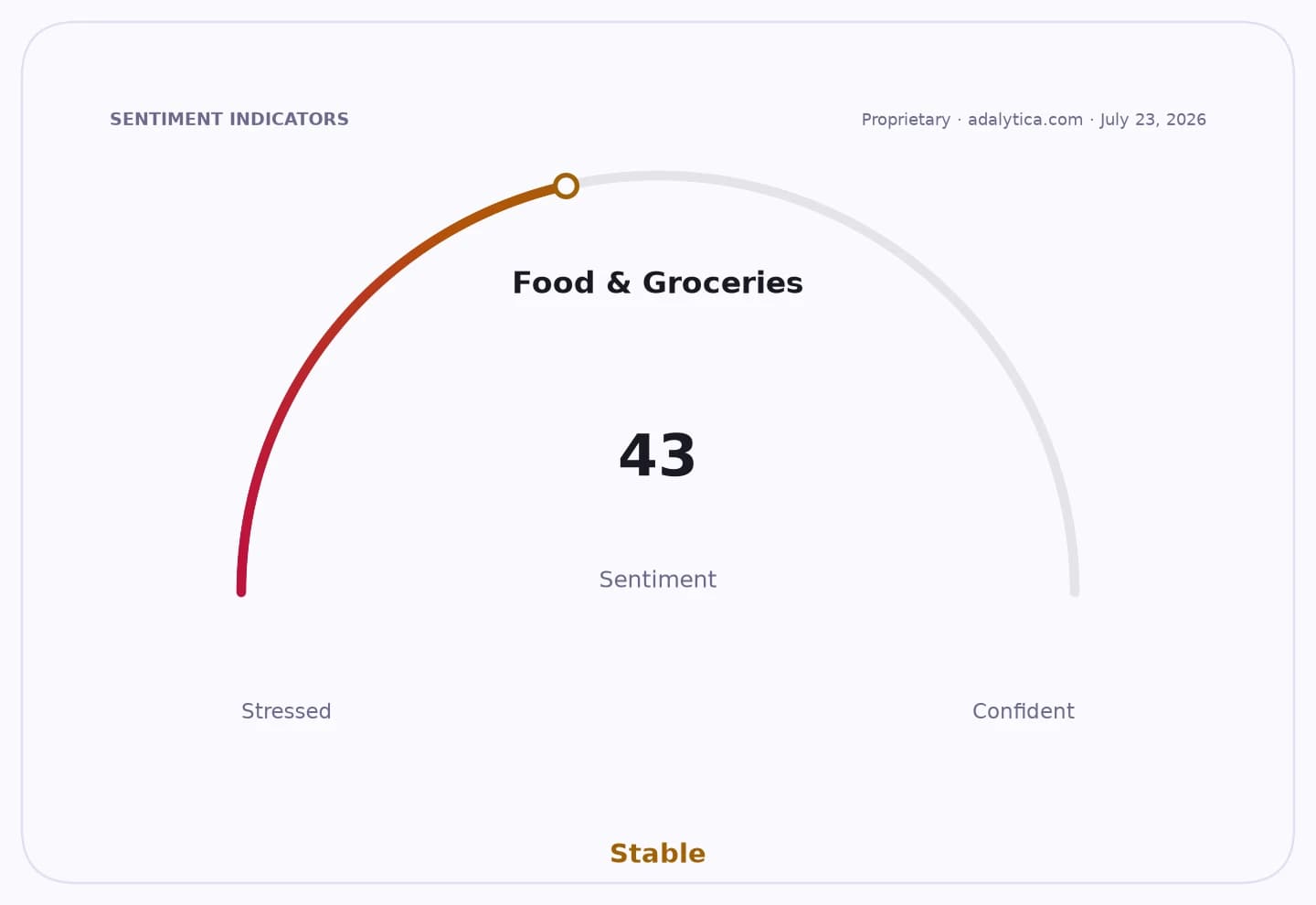
Sentiment IndicatorsⓘProprietary · adalytica.com · July 23, 2026
This is a snapshot — live sentiment, awareness and momentum for 130+ markets update continuously in the dashboard.Open AlphaPulse
For investors, that shift matters because agricultural pricing power is rare. When an export market starts valuing quality, the upside flows first to producers and traders with stronger brands, better logistics and tighter supply chains. It also improves the economics for agri-commodity names tied to rice trading, storage and distribution, while squeezing low-cost competitors that depend on aggressive discounting to move tonnage.
The latest market tone in Asia backs that view. Vietnamese rice exports have already topped 5 million tons in the first half of the year, underscoring how strong regional demand remains. But the important detail is not just volume — it is that export rice prices are still climbing even as domestic prices stay contained. That suggests the buyer base is willing to pay up for reliable quality and consistency, especially in China, where importers have become more selective.
That is where the Adalytica Chinese yuan trade signals add another layer to the thesis. The yuan snapshot is flashing extreme fear, a sign that cross-border trade sentiment is fragile and buyers may be leaning toward safer, higher-grade supply even while broader currency and trade conditions remain unsettled. In that kind of environment, premium exporters often gain share because procurement teams prioritize reliability over a few dollars of savings per ton.
The market’s message is showing up in the charts too. Corn futures, while not a rice proxy, are trading above both the 50-day and 200-day moving averages, and the recent rebound in agricultural prices broadly reinforces the idea that the food commodity complex is not broken. Archer-Daniels-Midland has also pushed to fresh highs, while Bunge has continued to outperform, a sign that investors still want exposure to food supply chains with pricing power and global reach.
The bigger investment lesson is that rice is becoming a quality trade, not just a commodity trade. That favors Thai exporters and select agribusiness platforms that can capture higher margins from premium demand, especially if Asian buyers keep prioritizing reliability, consistency and food security over the cheapest possible tonnage.
If this trend persists, the next leg higher should come not from panic buying, but from a slow and durable repricing of quality. That is exactly the kind of inflection point investors should want to own early.
| Entity | Gains | Losses |
|---|---|---|
| Thai rice exporters | ▲Higher export pricing | ▼Low-margin volume sellers |
| Quality-focused buyers in China | ▲More reliable supply | ▼Bargain hunters |
| ADM, BG and similar agribusiness names | ▲Trading and supply-chain leverage | ▼Pure commodity shippers |
| Cheap rice competitors | ▲Less pricing power | ▼Premium Thai supply chain |