Thailand’s Interior Ministry is cutting household electricity charges to no more than 3 baht per unit starting with the September billing cycle, a move that should give consumers immediate relief and help cushion domestic demand as the economy faces higher living costs.
Thailand Cuts Power Bills to Support Consumers

The policy matters because power bills are one of the most visible monthly expenses for households, and a lower tariff can free up cash for discretionary spending on food, transport and other essentials. For a consumer-led economy, even a modest reduction in utility costs can support broader spending at a time when many families remain sensitive to inflation and debt-service burdens.
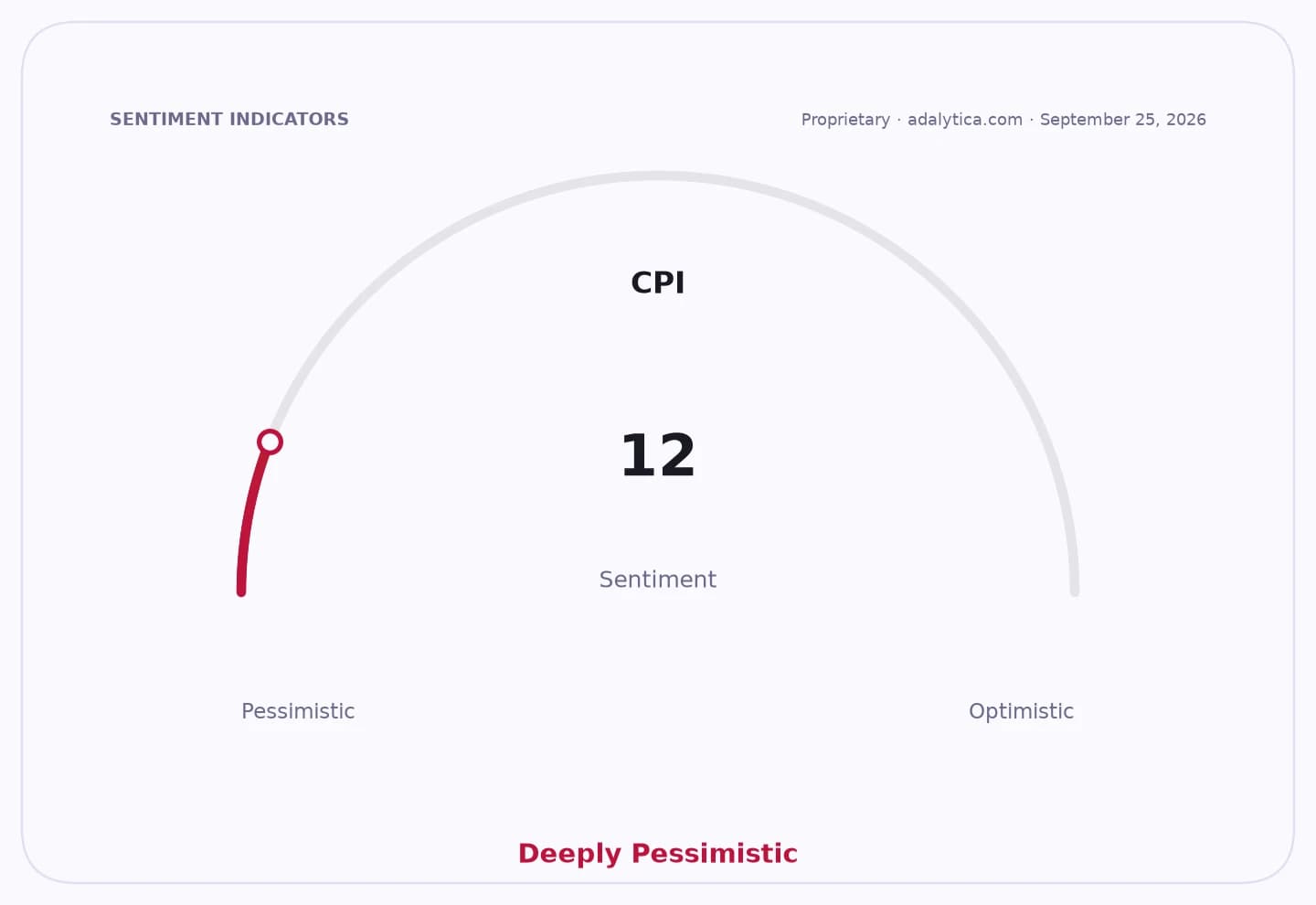
Sentiment IndicatorsⓘProprietary · adalytica.com · July 20, 2026
This is a snapshot — live sentiment, awareness and momentum for 130+ markets update continuously in the dashboard.Open AlphaPulse
The change also carries macroeconomic weight because electricity pricing feeds into headline cost pressures and household sentiment. Lower bills may ease political pressure on the government while giving officials a short-term tool to defend purchasing power without resorting to direct cash transfers.
For investors, the decision points to a more supportive backdrop for retailers, consumer lenders and other domestically oriented sectors if households keep more of their income. It may also temper near-term revenue expectations for utilities and related power operators if regulated tariffs are kept subdued to absorb some of the cost relief.
The broader narrative is one of policy trying to balance affordability with energy economics. With consumer sentiment already elevated and spending conditions under scrutiny, the government is signaling that protecting household budgets remains a priority even as it manages power-sector pricing and the risk of higher utility costs later on.
The next catalyst will be whether the lower tariff stays in place beyond the September cycle and how authorities reconcile consumer relief with electricity-market costs, fuel prices and any future adjustments to the rate structure.
| Entity | Gains | Losses |
|---|---|---|
| Thai households | ▲Lower monthly bills | ▼Less pressure to cut spending |
| Consumer-facing retailers | ▲Better spending power | ▼None immediate |
| Utilities / power operators | ▲Regulatory clarity | ▼Lower tariff revenue |
| Government | ▲Political relief | ▼Fiscal and pricing flexibility |