Thailand’s Securities and Exchange Commission is moving to sell a 15 billion baht, 15-year sustainable bond in mid-September, a sign that the government and public sector are leaning harder on ESG-linked funding as long-dated capital stays in demand.
Thailand SEC to sell 15 billion baht sustainable bond
The issue matters because sustainable bonds are no longer a niche trade in Thailand’s domestic market; they are becoming part of the funding toolkit for institutions looking to lock in money for a decade and a half while tapping investors that want environmental and social credentials alongside yield. In a market where duration matters and policy support can shape demand, a benchmark-sized sovereign-style sale from the SEC can help set pricing for future issuers and deepen the local sustainable finance curve.
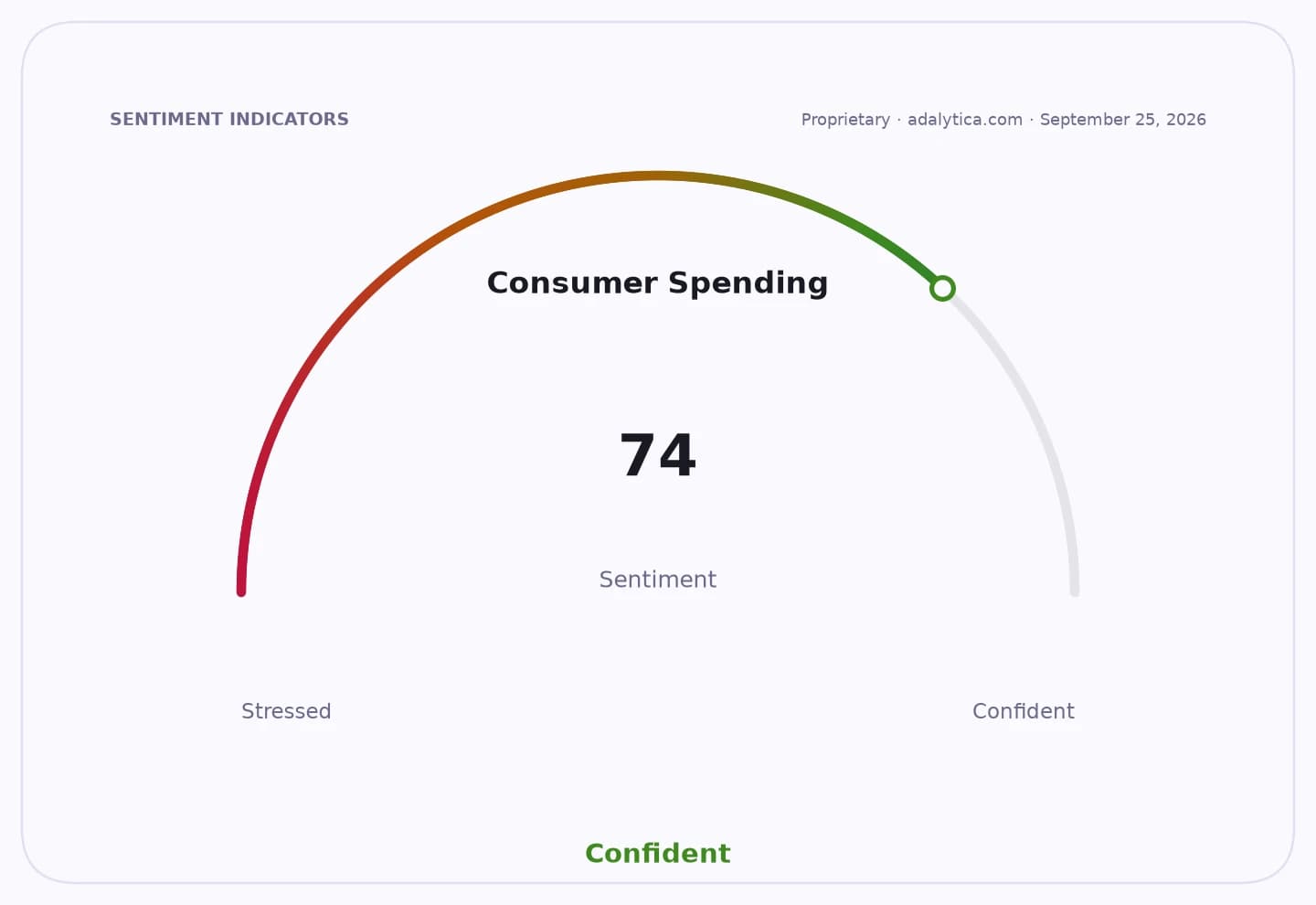
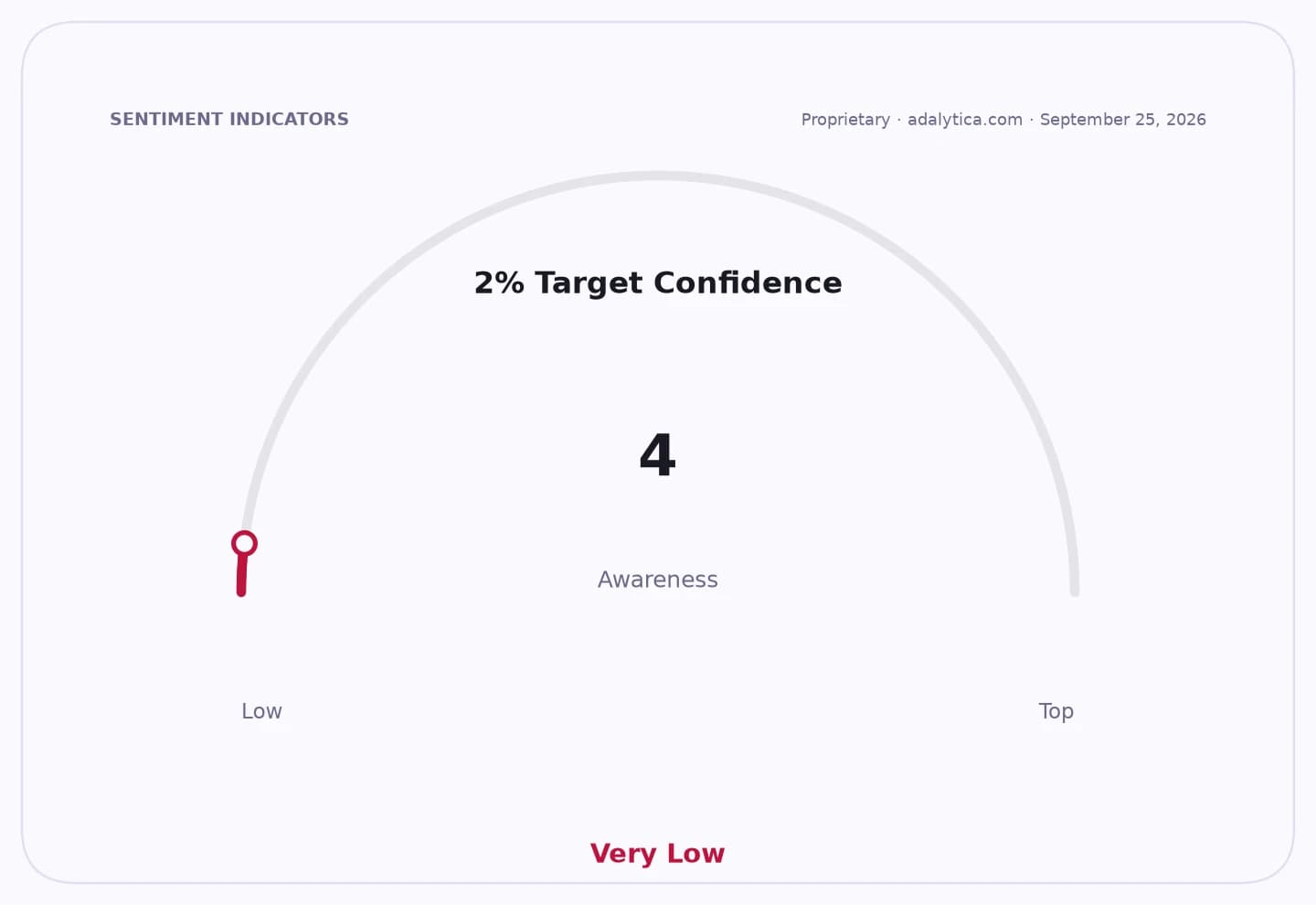
Sentiment IndicatorsⓘProprietary · adalytica.com · August 19, 2026
This is a snapshot — live sentiment, awareness and momentum for 130+ markets update continuously in the dashboard.Open AlphaPulse
For investors, the offering is a read-through on both rate expectations and appetite for fixed income with a label. A 15-year tenor suggests the issuer believes buyers can absorb longer duration without demanding punitive concessions, even as global bond sentiment has been volatile. That is especially relevant at a time when treasury-bond positioning remains under pressure globally and gold remains firmly on investors’ radar as a hedge, according to Adalytica.com’s proprietary trade signals.
The broader narrative is that Thailand is trying to make sustainable finance mainstream rather than symbolic. If the SEC can place the bonds cleanly, it strengthens the case for corporates, state-linked borrowers and infrastructure names to follow with their own ESG paper. That would support financing for projects tied to energy transition, climate resilience and broader capital spending at a time when Southeast Asian economies need private capital to supplement public budgets.
The market will watch not just the coupon but the take-up, the investor mix and whether the deal prices tighter than conventional comparables. A strong result would point to durable demand for high-quality baht assets and could encourage more issuers to extend maturities. A weak one would be a warning that sustainable labels alone cannot overcome higher duration risk.
For now, the trade is straightforward: investors should treat the planned SEC sale as a signal that Thailand’s sustainable-bond market is entering a more institutional phase. If demand is there, the winners are long-duration buyers and ESG-focused funds; if not, the benefit shifts back to cash-rich investors waiting for wider spreads.
| Entity | Gains | Losses |
|---|---|---|
| Thailand SEC | ▲Cheaper long-term funding | ▼Higher refinancing pressure |
| ESG bond investors | ▲New long-duration supply | ▼Risk of weak pricing |
| Thai sustainable finance market | ▲Deeper benchmark curve | ▼Slower issuance if demand fades |
| Conventional fixed-income sellers | ▲Less scarcity premium | ▼Competition from labeled debt |