Thailand’s stock exchange is overhauling trading rules from Nov. 16, 2026, in a move designed to curb disorderly volatility, tighten oversight of high-speed trading and improve investor confidence without choking market liquidity.
Thailand stock exchange to overhaul trading rules in 2026
The Stock Exchange of Thailand said it will implement eight rule changes after a public consultation and approval from the Securities and Exchange Commission, including a new short-selling framework, lower tick sizes for some shares and the removal of two long-standing trading constraints: the Dynamic Price Band, or DPB, and Minimum Resting Time, or MRT.
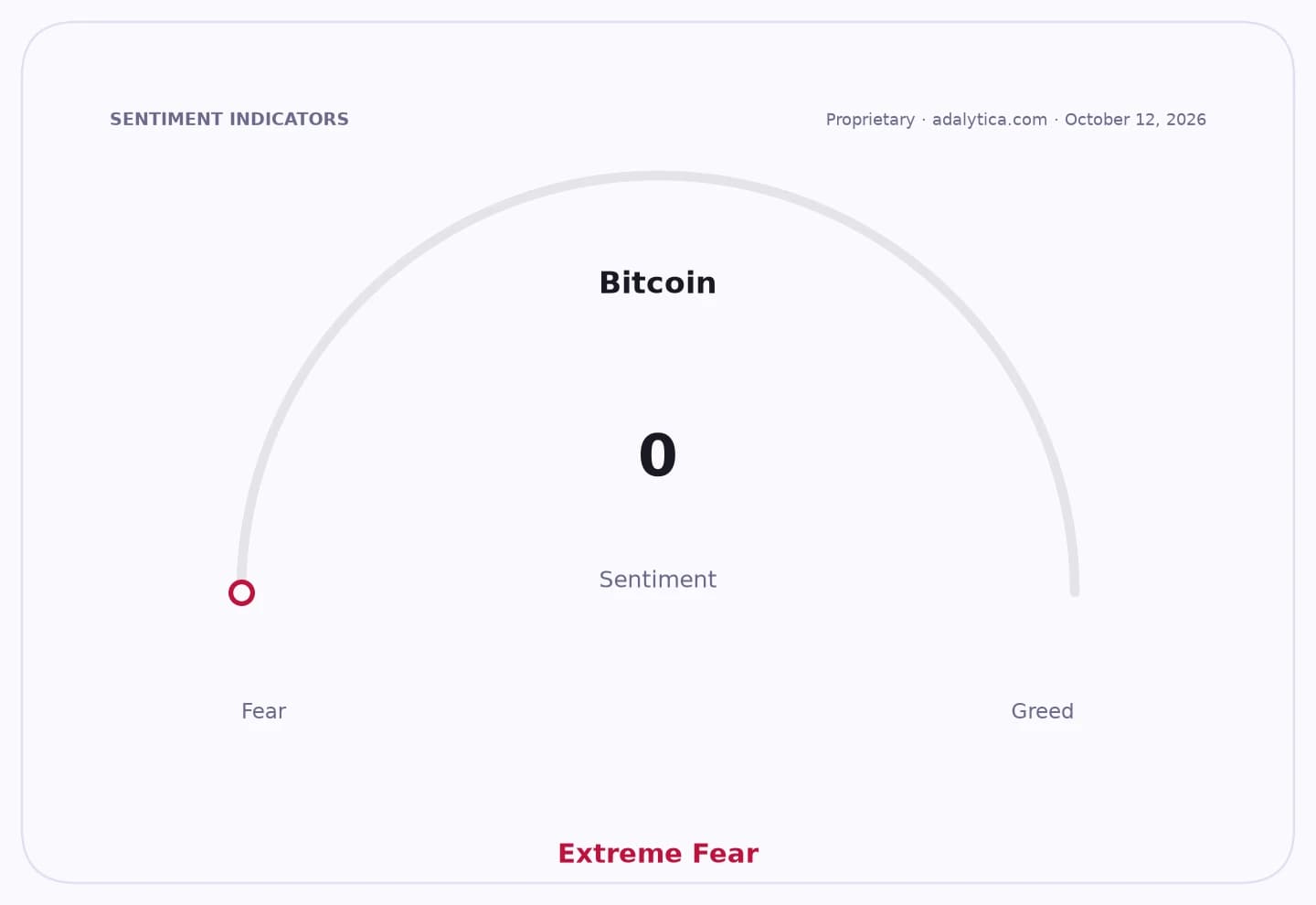
Sentiment IndicatorsⓘProprietary · adalytica.com · October 12, 2026
This is a snapshot — live sentiment, awareness and momentum for 130+ markets update continuously in the dashboard.Open AlphaPulse
The policy shift matters economically because Thailand is trying to make its equity market more efficient and more attractive at a time when it is also positioning itself as a financial hub ahead of the IMF-World Bank meetings it will host in 2026. Easier execution and tighter policing of abusive order flow could reduce trading costs for ordinary investors, while the exchange is betting that fewer mechanical barriers will help deepen liquidity, especially in less-active stocks.
Under the new short-selling rules, the market will generally use a zero-plus tick approach, meaning short sales must be at or above the last traded price. If a stock falls 10% from the previous day’s close, the tighter uptick rule will apply the next trading day to slow selling pressure in stressed conditions. Short selling will also be limited to more liquid securities, including SET100 names, single-stock futures underlyings, DRs and ETFs.
The exchange is also lowering tick sizes for shares priced between 5 baht and 50 baht, a change that should narrow bid-ask spreads and make it easier for orders to match. That could help active traders and institutions alike, though it may also compress some market-making opportunities.
Two of the biggest structural changes are the scrapping of DPB and MRT. Removing the dynamic price band should make it easier to trade through volatile periods, particularly in less liquid stocks, while eliminating MRT will allow orders to be cancelled or changed more freely and reduce systems burdens on brokers and the exchange.
The rules also target algorithmic and high-frequency trading. The exchange will end limits on which securities HFT players can trade, but it will impose extra fees on accounts with order-to-trade ratios above 50 times and average message rates above 50 orders a minute if they send more than 15,000 orders a day. Those accounts will pay 15 satang per excess order, a move aimed at deterring quote stuffing and other non-bona fide activity.
For investors, the trade-off is clear: Thailand is opening the market up for faster and potentially cheaper execution, but it is also trying to prevent aggressive trading from aggravating volatility in smaller names. The changes are likely to matter most for brokers, quant funds, market makers and short sellers, while retail investors should see a market that is easier to access and less distorted by technical frictions.
The next test will be implementation on Nov. 16, when traders will see whether the rule reset improves turnover and stability as intended or simply shifts volatility into new channels.
| Entity | Gains | Losses |
|---|---|---|
| Retail investors | ▲Lower trading costs | ▼Fewer volatility buffers |
| Brokers and exchanges | ▲Better system efficiency | ▼Higher compliance burden |
| High-frequency traders | ▲Broader security access | ▼New order-fee penalties |
| Short sellers in liquid stocks | ▲Clearer rules | ▼Tighter sell-short constraints |