An AI Trading Agent tied to Nvidia and Uranium Energy-style materials names has reported a 2.62 profit factor and 133.78% realized return over a 364-day stretch, underscoring how algorithmic stock-picking tools are being marketed as performance products as investor appetite for AI-driven trading stays hot.
Tickeron AI Trading Agent Reports 133.78% Return
The results, published by Tickeron, covered 98 closed trades from Oct. 6, 2025 through Oct. 5, 2026 on a 60-minute timeframe in a Semi & Materials / Mining strategy focused on NVDA and USAR. The agent logged $135,129.82 in net profit on $50,000 per trade sizing, with 61 winners out of 98 trades and an absolute drawdown of $17,091.15.
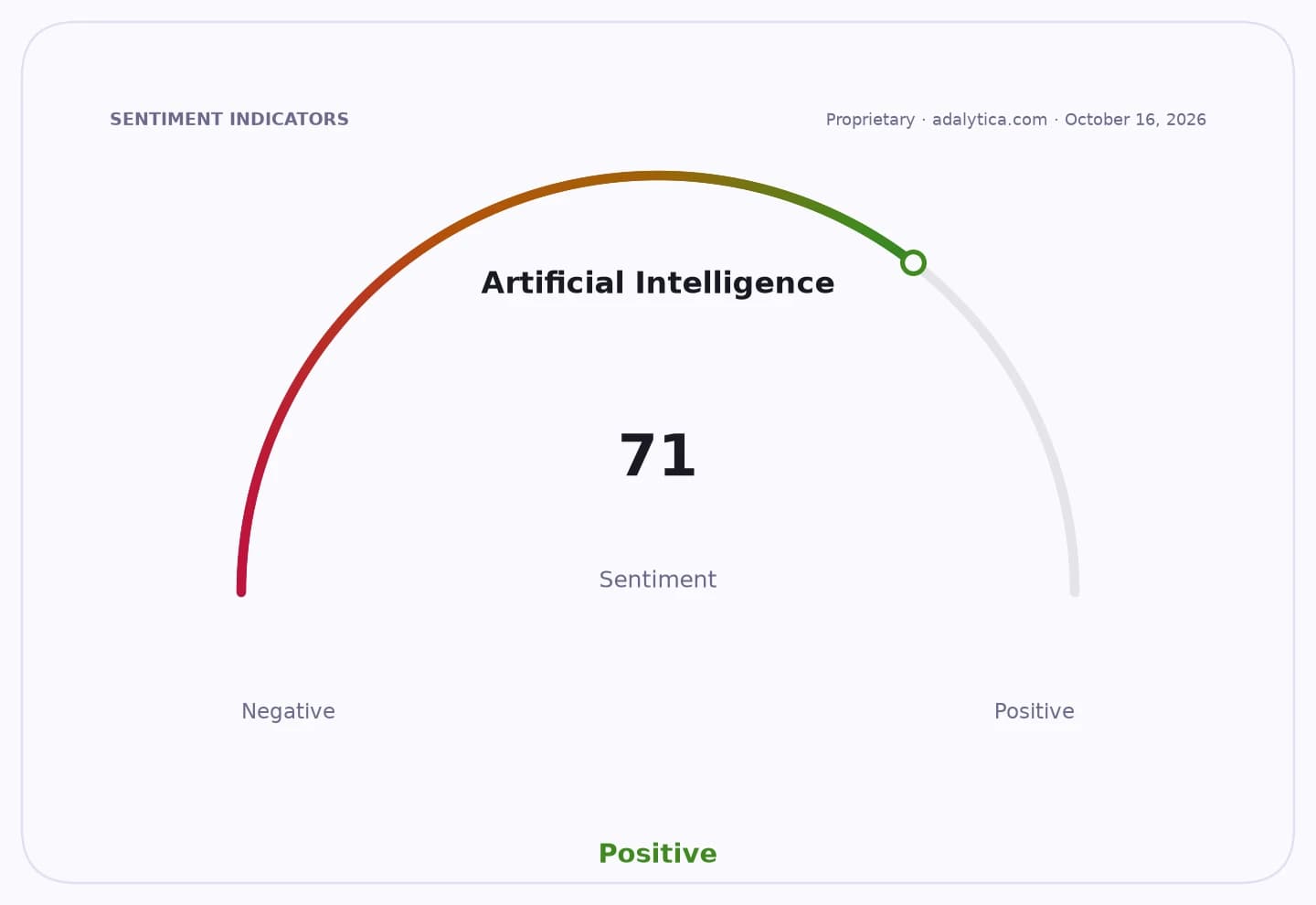
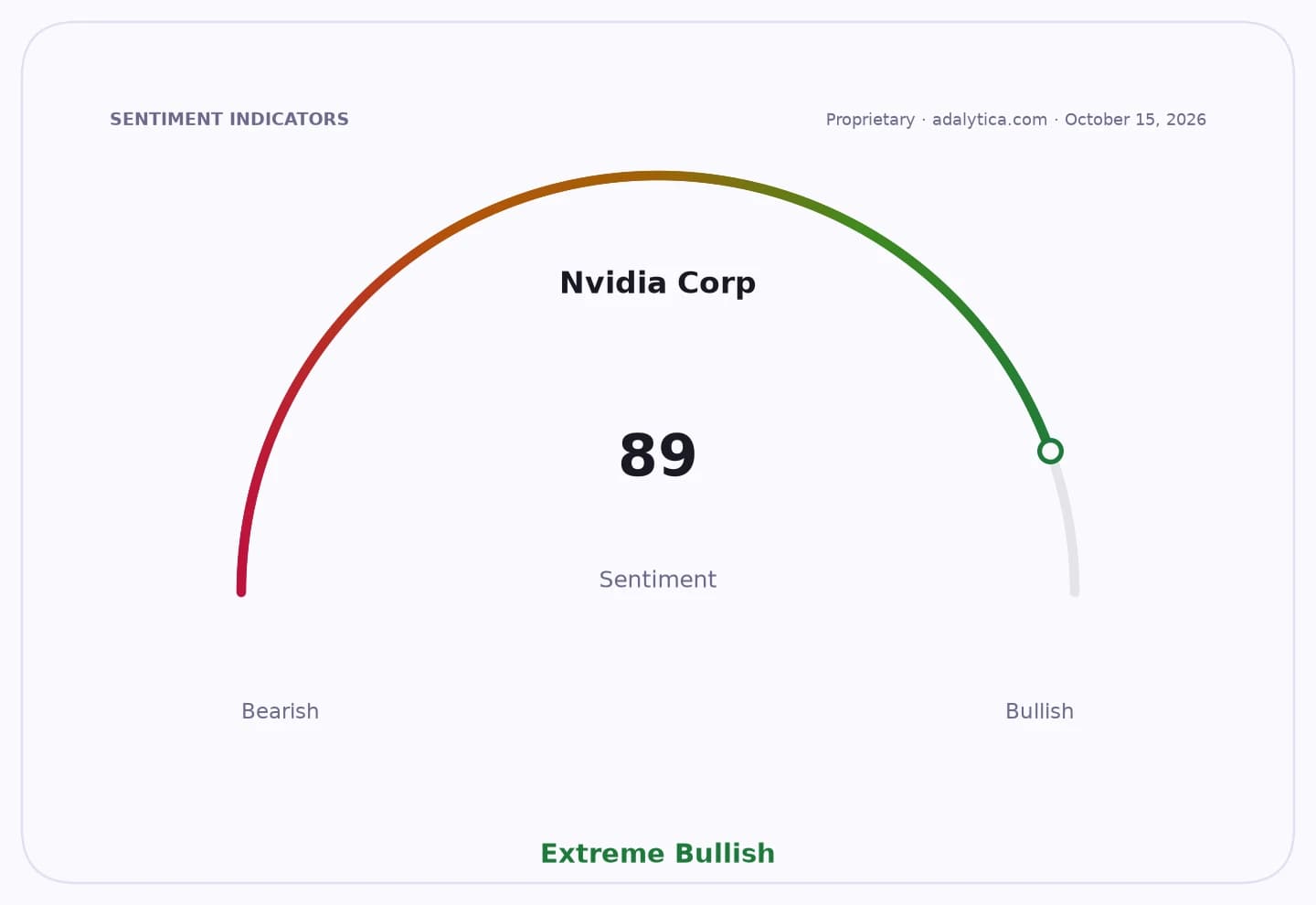
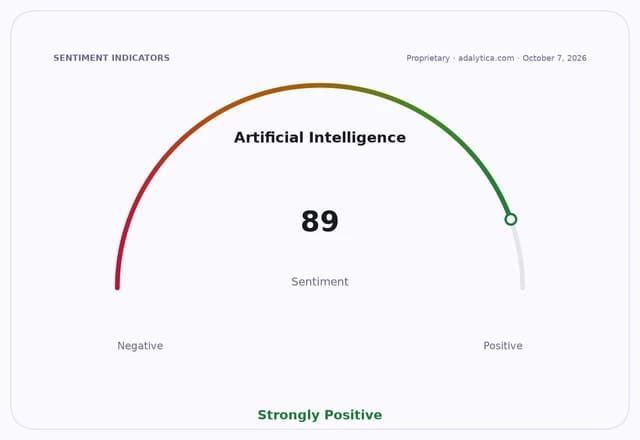
Sentiment IndicatorsⓘProprietary · adalytica.com · October 7, 2026
This is a snapshot — live sentiment, awareness and momentum for 130+ markets update continuously in the dashboard.Open AlphaPulse
For investors, the appeal is straightforward: AI trading tools are moving from back-office analytics into packaged, consumer-facing products that promise rule-based execution and measurable outcomes. Tickeron said the strategy produced a Sharpe ratio of 0.64 and a profit/drawdown ratio of 7.91, figures that will draw attention from retail traders looking for systematic exposure to volatile AI and materials names.
The stock-specific numbers also help explain the draw. NVDA showed a total P/L of 31.64% in the supplied trading data, while USAR showed 123.8%, highlighting how AI-linked chip momentum and small-cap materials volatility can both create trading opportunities and sharp reversals. Nvidia’s shares were last quoted at $239.24, well above their 50-day moving average of $219.62 and 200-day average of $201.03, with an RSI reading of 84.0, a level that conventionally signals an overbought market.
USAR, meanwhile, ended the period at $13.74, below both its 50-day moving average of $16.68 and 200-day moving average of $19.29, with RSI at 38.6. That mix of stretched Nvidia momentum and weak USAR pricing helps explain why a systematic trader could generate returns while still facing limited predictability from the underlying names.
Tickeron framed the results as part of a broader push to expand its computing infrastructure and Financial Learning Models, with CEO Sergey Savastiouk saying the company is turning “hours of financial research into a single click.” That pitch lands as AI trading, AI stocks and AI infrastructure remain among the most crowded themes in the market.
The bigger investor question is whether these results are repeatable or simply a snapshot from a favorable stretch in two highly volatile tickers. With Nvidia still trading near the top of its recent range and sentiment gauges on NVDA showing “Fear” despite strong price action, traders are likely to keep testing whether AI-driven systems can keep pace with the same names they are built to trade.
| Entity | Gains | Losses |
|---|---|---|
| Tickeron | ▲Product credibility | ▼Reproducibility risk |
| NVDA bulls | ▲Momentum capture | ▼Overbought pullback risk |
| USAR traders | ▲Volatility-driven upside | ▼Trend fragility |
| Retail users | ▲Packaged AI trading access | ▼Losses if models fail |