A Chinese delegation’s visit to industrial sites in Tobolsk underscores how Russia’s regions are trying to turn long-standing political ties with Beijing into concrete investment, trade and technology links at a time when Moscow is looking east for capital and industrial partnerships.
Tobolsk visit highlights China-Russia industrial ties
The delegation toured ZapSibNeftekhim, the Tobolsk ship repair and shipbuilding yard and TENET, highlighting the city’s role as a regional industrial hub rather than just a local municipality. The visit matters because Russia’s push to diversify commercial ties away from the West increasingly depends on projects outside Moscow and St. Petersburg, where Chinese groups can find energy, petrochemical and logistics assets that fit Beijing’s broader industrial and geopolitical interests.
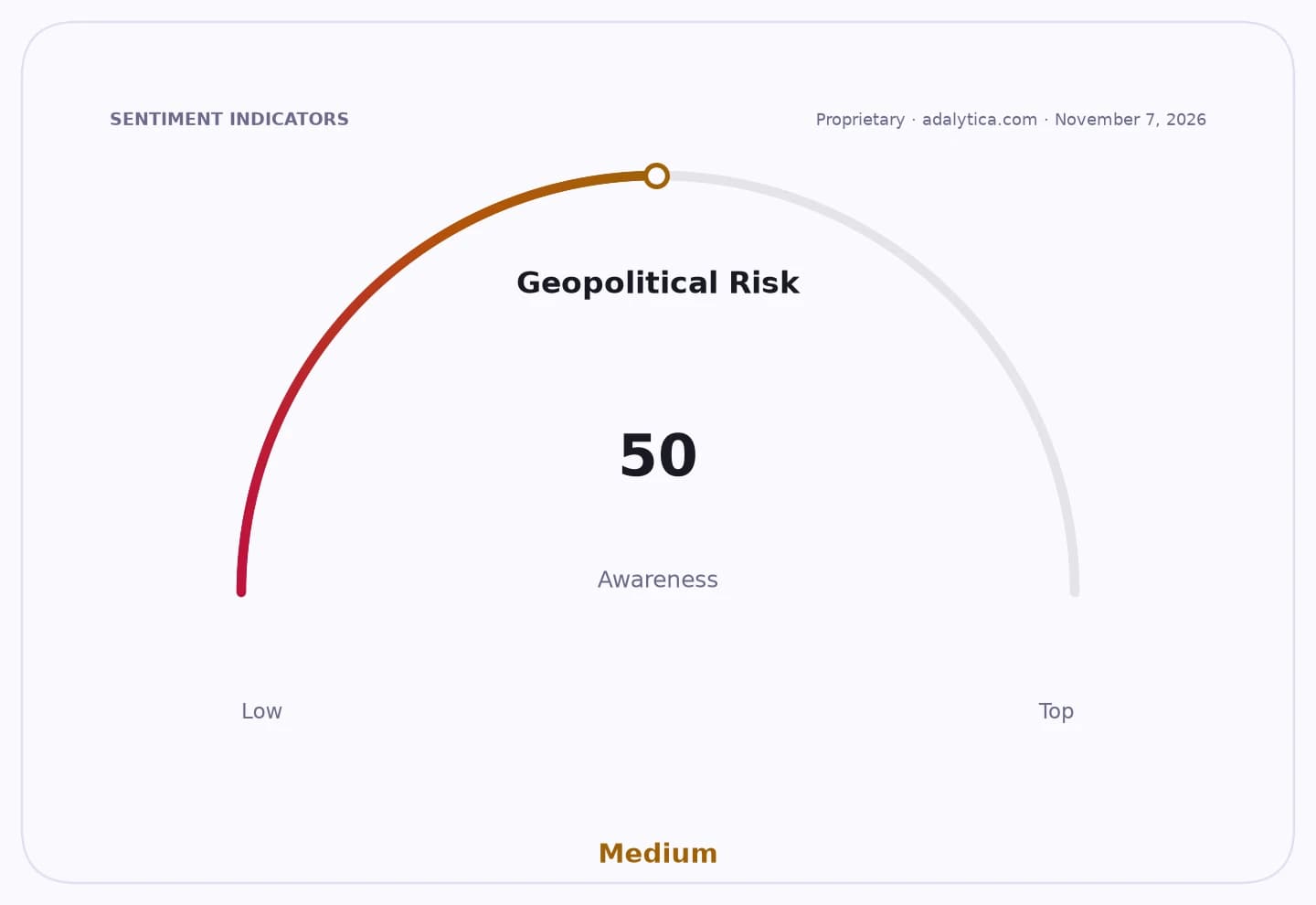
Sentiment Indicators
Tobolsk is already tied into that relationship through Sibur’s long-term strategic partnership with China’s Sinopec, one of the clearest examples of Sino-Russian industrial cooperation in the Russian regions. For Sibur, Chinese offtake, financing or technology support can help anchor demand and investment in a market still under sanctions pressure. For China, direct exposure to Russian petrochemicals and industrial infrastructure can support supply-chain diversification and deepen access to discounted hydrocarbons and related products.
City officials are signaling they want more than ceremonial engagement. Mayor Petr Vagin said Tobolsk is open to investment and ready to consider joint projects, while also using the visit to promote the city’s historical and cultural links with China. That framing is not incidental: regional governments across Russia are increasingly courting Asian partners as the federal economy adapts to restricted access to Western capital, equipment and markets.
The economics are straightforward. Industrial cooperation of this kind can help sustain output, preserve export channels and support capital formation in sectors such as petrochemicals and transport equipment, even if it does not immediately translate into large announced deals. It also reflects the broader reorientation of Russian trade toward Asia, where Chinese firms have become essential counterparties for commodities, machinery and industrial know-how.
For investors, the key implication is that Russian industrial assets with existing Chinese links remain among the most resilient parts of the country’s economy. The bull case is that deeper Sino-Russian integration could support volumes, funding and plant utilization for companies such as Sibur and related industrial suppliers. The bear case is that any new cooperation remains constrained by sanctions, payment risk and the political sensitivity of doing business with Russian entities exposed to Western restrictions.
The visit also fits a wider geopolitical backdrop of closer Moscow-Beijing coordination. Even without immediate transactional announcements, these regional engagements matter because they show how the partnership is being operationalized on the ground — through plants, logistics and local investment targets rather than just summit statements.
For now, Tobolsk is emerging as a small but useful case study in how Russia and China are translating strategic alignment into industrial geography. The next catalyst will be whether the visit yields concrete projects, financing or procurement agreements rather than another symbolic display of partnership.
| Entity | Gains | Losses |
|---|---|---|
| Tobolsk industrial firms | ▲Potential investment and demand | ▼Deal uncertainty |
| Sibur / ZapSibNeftekhim | ▲Chinese partnership support | ▼Sanctions exposure |
| Chinese industrial groups | ▲Access to Russian assets | ▼Political and compliance risk |
| Western suppliers/investors | ▲None | ▼Lost market access |