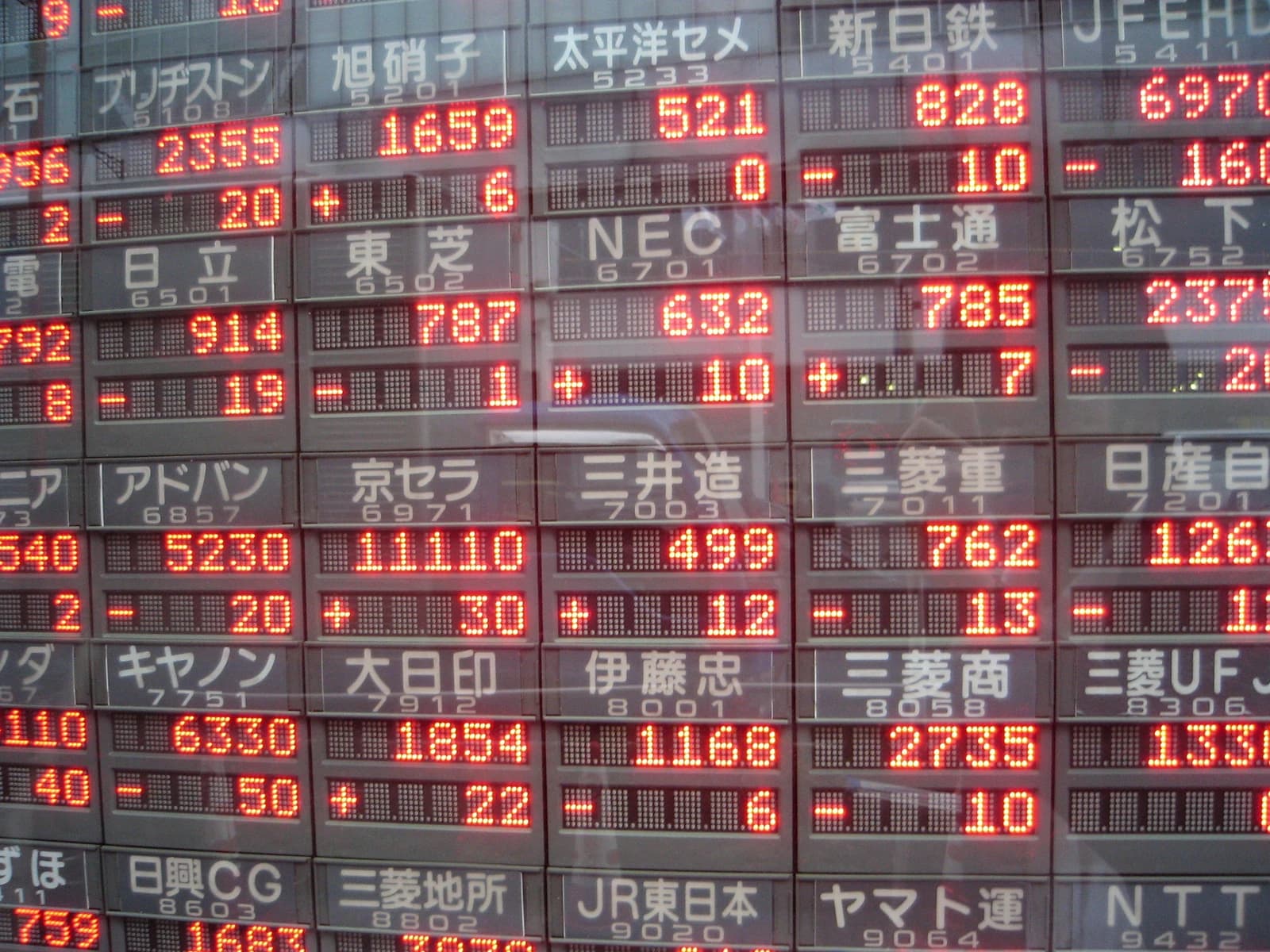
Tokyo's hotter-than-expected inflation is forcing investors to rethink how long Japan's equity rally can outrun higher borrowing costs and a firmer yen.
Tokyo Inflation Pressures Nikkei and Yen Outlook
The Nikkei 225 has swung sharply lower as traders price in a faster Bank of Japan tightening cycle after inflation in the capital climbed back above the central bank's 2% target. That matters because Tokyo data arrives before the national release and often sets the tone for BOJ expectations, making it one of the earliest market signals on whether Japan's long era of ultra-loose policy is ending more quickly.
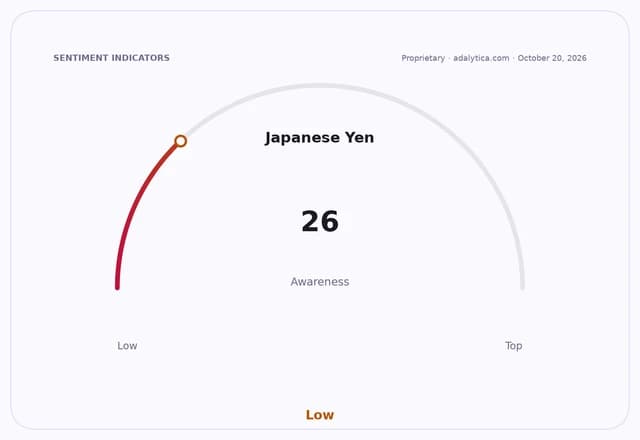
Sentiment IndicatorsⓘProprietary · adalytica.com · October 20, 2026
This is a snapshot — live sentiment, awareness and momentum for 130+ markets update continuously in the dashboard.Open AlphaPulse

A quicker rate path would change the equation for Japanese stocks. The Nikkei has been supported by easy money, weak yen dynamics and improving shareholder returns, but higher rates tend to lift the currency and pressure exporters that dominate the benchmark, including automakers and electronics groups with large overseas sales.
The market reaction has been immediate. The Nikkei closed at 64,268.26 on Oct. 20, after dropping from 65,324.29 on Oct. 16 and 64,916.70 on Oct. 19, leaving the index well below its 50-day moving average of 66,324.47 but still above its 200-day average of 61,271.04. The index's relative strength index at 45.9 suggests the selloff has cooled momentum without yet pushing it into oversold territory.
The yen is also firming around the policy shift. The dollar fetched 158.21 yen on Oct. 20, compared with 157.81 on Oct. 19, and sits near the 50-day moving average of 157.69, leaving exporters exposed if the currency starts to appreciate more decisively on BOJ tightening bets.
For investors, the key question is not whether Japanese inflation is now hot enough to justify more tightening, but how fast the BOJ moves. A gradual hiking cycle, paired with wage gains and continued buybacks from Japanese companies, could be absorbed by the market. But a faster-than-expected shift would likely hit exporters first and raise the risk of another disorderly unwind in crowded yen-funded trades.
The broader backdrop still leaves room for the rally to continue, but with less margin for error. Japanese wages are finally rising, corporate governance is improving and buybacks have become more common, giving the market fundamental support beyond cheap money. Even so, the next inflation print and the BOJ's messaging will be crucial for whether the Nikkei stabilizes or extends its correction.
| Entity | Gains | Losses |
|---|---|---|
| BOJ hawks | ▲Faster rate normalization | ▼Equity valuations |
| Japanese exporters | ▲Weak yen support | ▼Stronger yen pressure |
| Domestic banks | ▲Higher rate margins | ▼Rate-sensitive borrowers |
| Nikkei bulls | ▲Wage and buyback support | ▼Policy shock risk |