TotalEnergies is deepening its exposure to U.S. natural gas just as the market is being pulled by firmer prices, tighter European supply and investor demand for cash-generating energy assets.
TotalEnergies Buys Continental Resources Gas Assets
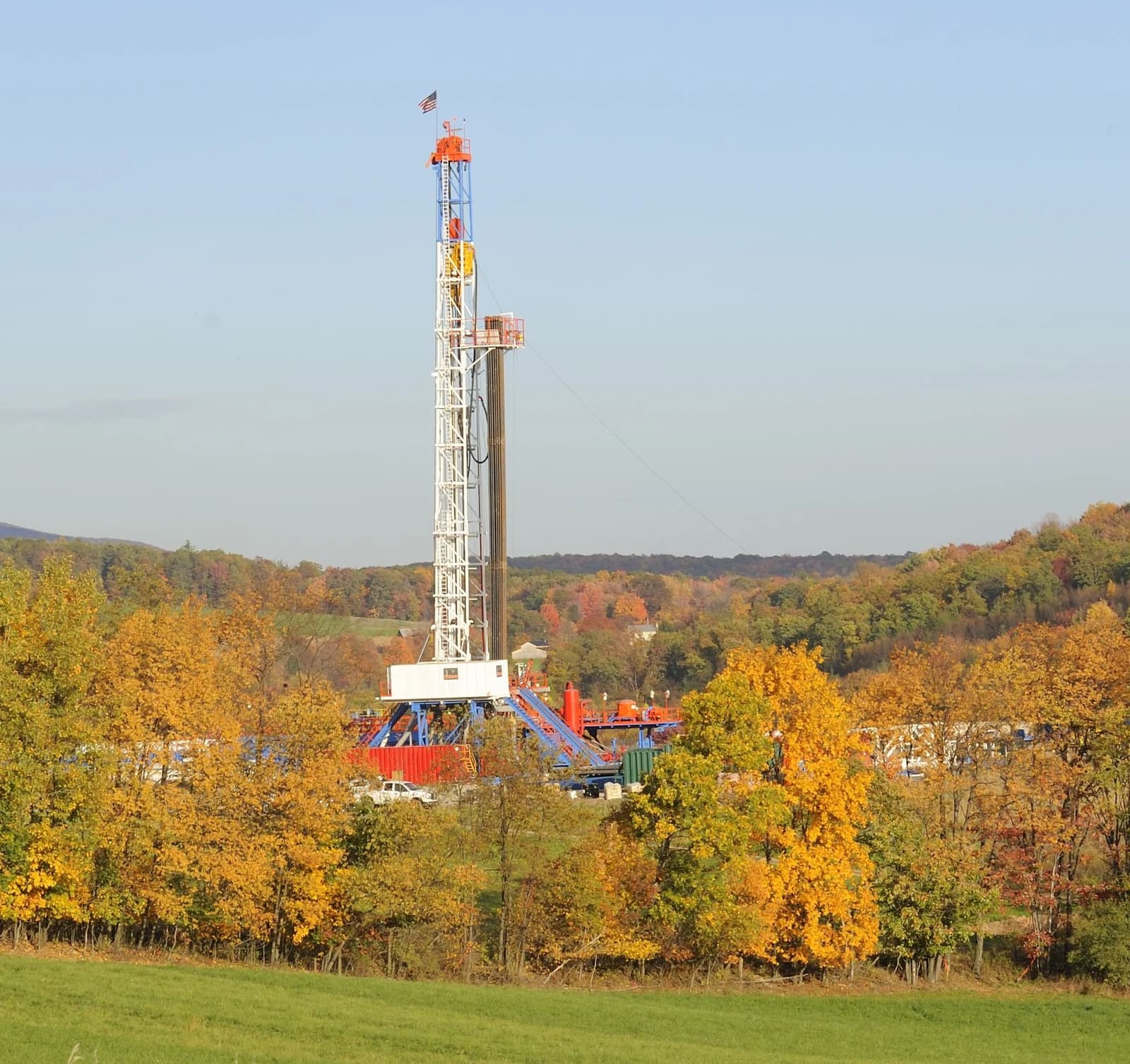
The French major said it bought interests in Continental Resources assets, a move that extends its U.S. gas production footprint at a time when Henry Hub-linked markets remain supported by supply constraints and stronger export demand. West Texas Intermediate was trading around $89.56 a barrel in the latest forecasted print, while U.S. 10-year Treasury yields held near 4.86%, a backdrop that keeps financing costs elevated but also reinforces the appeal of upstream cash flow over more capital-intensive growth plans.
Sentiment Indicators
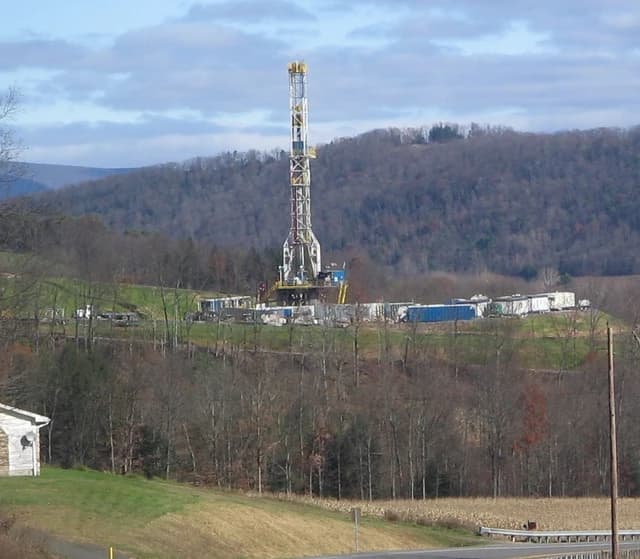
For TotalEnergies, the deal fits a broader strategy of tilting toward natural gas and integrated LNG exposure, an area the company has prioritized as it reshapes its portfolio away from weaker or more politically complex upstream positions. The company has recently been active across multiple geographies, including Nigeria, Namibia and Papua New Guinea, underscoring that management is still willing to deploy capital in upstream assets where it sees durable production and export value.
The timing matters because gas markets remain fragile even if oil is steadier. Adalytica’s Natural Gas Market Trade Signals show sentiment at 31, labeled neutral, but awareness at 1, or extreme fear, with the 30-day change down 42%, suggesting that traders are still wary of near-term supply-demand swings despite structurally tight conditions in Europe. That tension helps explain why large producers are still buying into gas resources rather than waiting for a cleaner cyclical entry point.
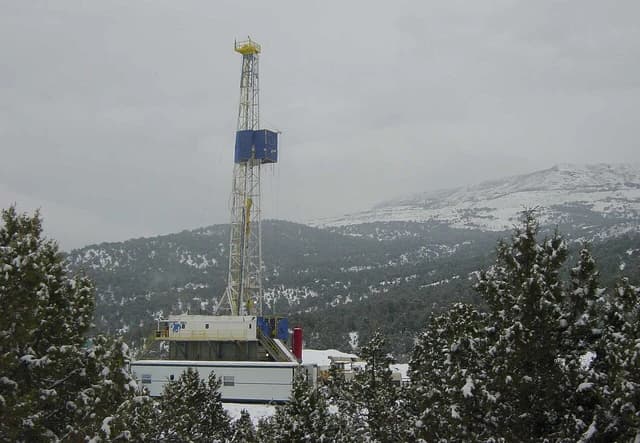
Investors will likely view the transaction through two lenses. The bull case is that TotalEnergies is adding U.S. gas barrels and optionality into a market with stronger long-term LNG demand and a relatively deep capital market. The bear case is that the company is buying into a sector that remains volatile, with returns sensitive to commodity prices, pipeline access and the pace of global gas demand growth.
For shareholders, the key question is whether the asset adds production and reserve life without diluting returns. TotalEnergies has been under pressure from investors to balance growth with discipline, and acquisitions in U.S. gas will be judged against that standard. If the assets translate into low-cost output and stronger free cash flow, the deal should support the company’s valuation and dividend capacity. If not, it adds another layer of commodity exposure at a time when macro conditions are still unsettled.
The broader narrative is that big oil and gas groups are still racing to secure advantaged gas positions, even as prices and sentiment swing sharply. TotalEnergies’ latest move suggests it sees U.S. gas not as a tactical trade, but as a long-duration pillar of its energy transition strategy and a hedge against weaker returns elsewhere in the portfolio.
| Entity | Gains | Losses |
|---|---|---|
| TotalEnergies | ▲More U.S. gas output | ▼Higher capital commitment |
| Continental Resources | ▲Asset monetization | ▼Future production exposure |
| LNG-linked gas producers | ▲Stronger demand backdrop | ▼More competition for acreage |
| Energy investors | ▲Potential cash flow growth | ▼Commodity volatility risk |