Trabzon’s city council is pressing for coal trading around the city port to be moved out of the urban core, arguing that a long-accepted industrial use no longer fits a denser city that wants to grow its tourism and cruise business.
Trabzon Council Seeks Coal Move From City Port
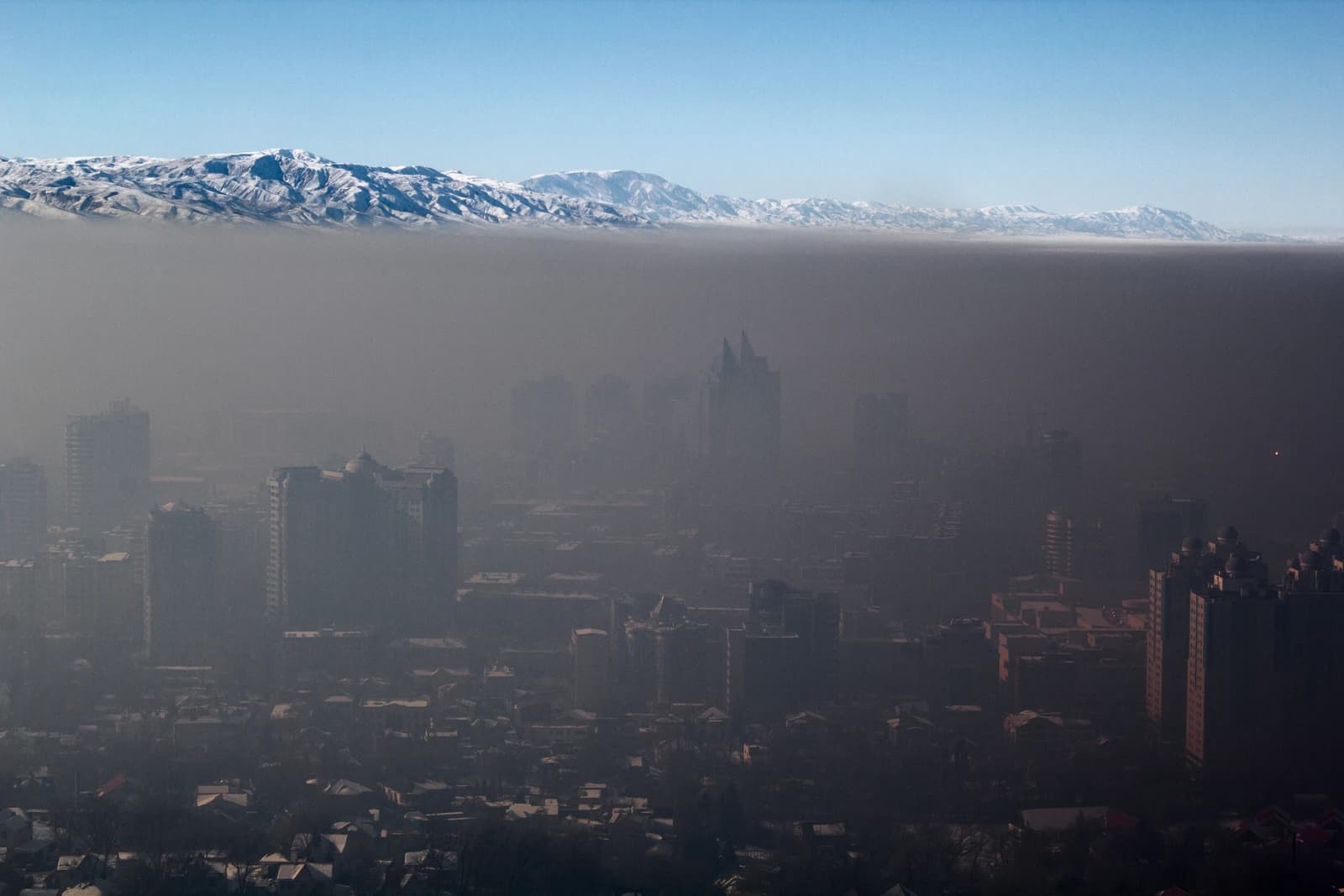
The statement matters because it frames the port as both an economic engine and a public-health issue, setting up a possible reordering of land use at one of Trabzon’s key logistics nodes. The council said the port’s commercial role and jobs are not in question, but that coal handling in the center of the city now clashes with residents’ clean-air demands and with a tourism strategy built around a more attractive waterfront.
Sentiment IndicatorsⓘProprietary · adalytica.com · October 10, 2026
This is a snapshot — live sentiment, awareness and momentum for 130+ markets update continuously in the dashboard.Open AlphaPulse
For investors and operators, the message points to potential changes in how the port is used, who gets access to waterfront space and where coal cargoes are handled. Any move to shift coal shipments to a more suitable logistics area would likely require coordination among public institutions, port management, the business community and local authorities, which could affect throughput, costs and route planning for shippers.
The council also highlighted cruise tourism as a bigger economic opportunity for Trabzon, saying the port area should be better aligned with the city’s visitor profile and that the shoreline should be more integrated with the city center. That suggests the debate is not just about coal, but about whether urban land near the harbor should be reserved for heavier industrial activity or reconfigured for higher-value uses such as passenger traffic, hospitality and related services.
The timing is notable as coastal cities across Turkey weigh environmental pressure against logistics needs. If Trabzon moves ahead, the change could benefit tourism-related businesses and residents while creating operational headwinds for coal handlers and other cargo interests tied to the current setup.
| Entity | Gains | Losses |
|---|---|---|
| Trabzon residents | ▲Cleaner air, better livability | ▼Ongoing coal dust exposure |
| Tourism operators | ▲More attractive waterfront | ▼Delays if redevelopment stalls |
| Port business overall | ▲Modernized, higher-value use | ▼Disruption from cargo reshuffling |
| Coal traders/operators | ▲Fewer central-city constraints elsewhere | ▼Loss of city-center logistics access |