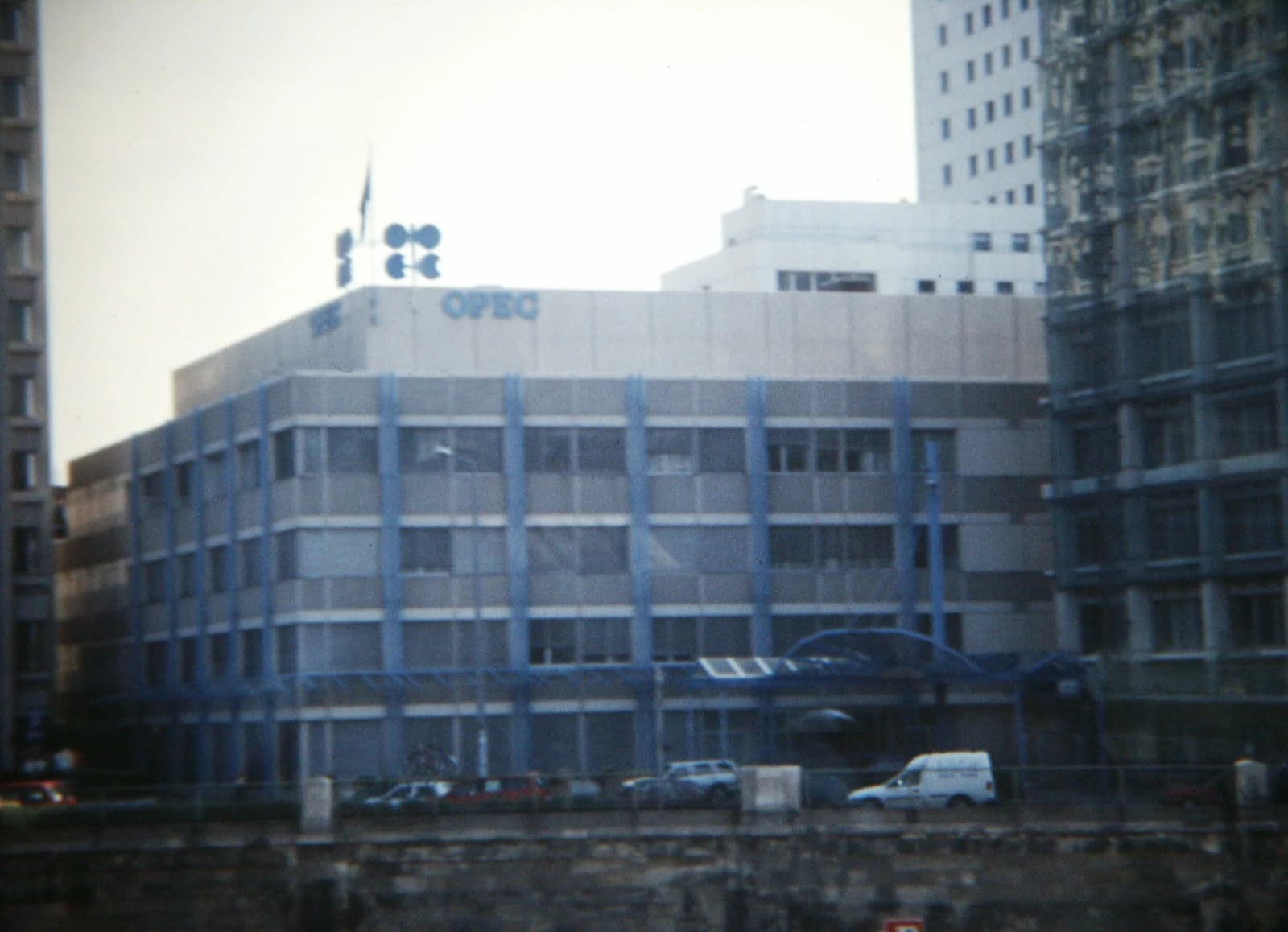
US government bonds fell as a report on worsening Middle East tensions pushed oil prices higher and revived concern that energy costs could keep inflation sticky enough to pressure the Federal Reserve. The selloff drove yields up across maturities, with the two-year note rising as much as 5 basis points to 4.83%, the highest in a week.
Treasuries Fall as Oil Rises on Middle East Tensions

The move matters because higher crude prices can quickly feed into inflation expectations and reduce the odds of faster rate cuts or near-term easing from the Fed. That is especially sensitive now, with policymakers in their blackout period ahead of the Oct. 28 decision and traders assigning only about a 20% chance of another rate increase.
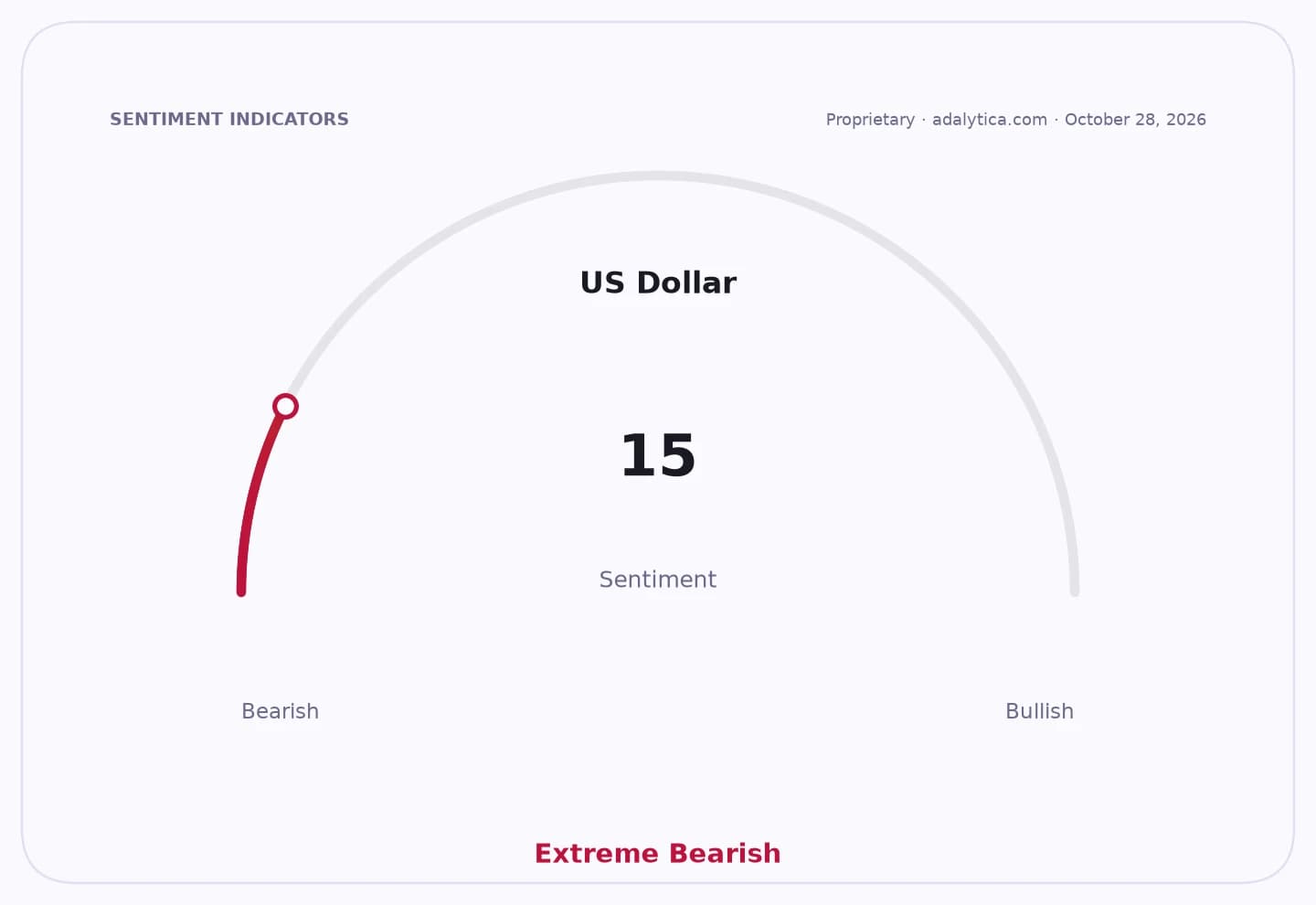
Sentiment Indicators

West Texas Intermediate crude briefly jumped to about $98.50 a barrel from $97 after a Reuters report suggested the US was preparing to order some staff to leave embassies in the Persian Gulf. The rally faded after officials said the order was limited to Saudi Arabia, but it was enough to jolt Treasuries out of a quiet session and send yields to their highs for the day.
The bond move also tracked a brief bid in the dollar and came alongside a short-lived wobble in US stocks, underscoring how closely investors are tying geopolitics to macro pricing. Short-term yields led the rise, a sign traders were reacting first to the inflation and policy implications rather than to longer-term growth risks.
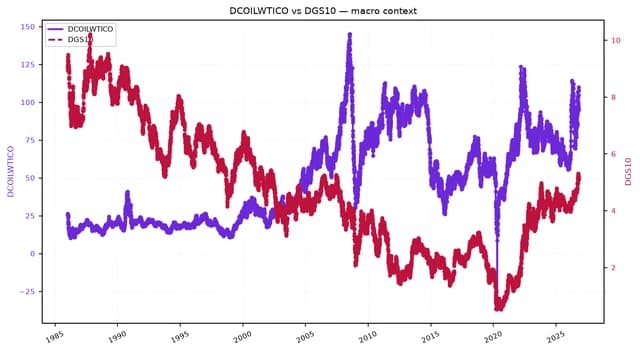
The backdrop for markets is already fragile. Treasury yields remain near multiyear highs on expectations of resilient US growth, heavy debt issuance and additional Fed tightening, while Wednesday’s 20-year bond sale drew the highest yield for a comparable auction since the Treasury resumed selling the maturity in 2020.
Oil’s role in the bond selloff also highlights how geopolitical risk can override other market narratives even when it is temporary. In recent weeks, investors had been buying Treasuries on concern about a slowdown and on weakness in AI-linked equities, but a fresh jump in crude can quickly shift attention back to inflation.
For investors, the trade reinforces the sensitivity of duration assets to any escalation in the Middle East and keeps energy prices front and center as a driver of rate expectations. The next catalyst is any further diplomatic or military signal from the region, alongside upcoming Fed commentary once the blackout period ends.
| Entity | Gains | Losses |
|---|---|---|
| Oil producers | ▲Higher crude prices | ▼— |
| Treasury bulls | ▲— | ▼Bond prices, especially short duration |
| Dollar bulls | ▲Safe-haven bid | ▼Foreign buyers of US assets |
| Fed doves | ▲— | ▼Chances of earlier easing |