Global bond markets are selling off hard again, but the most important implication for investors is not simply that borrowing costs are rising — it is that markets are struggling to decide whether the move reflects inflation fear, fiscal stress or a still-intact growth story driven by heavy investment, especially in artificial intelligence.
Treasury yields rise as bond selloff hits tech

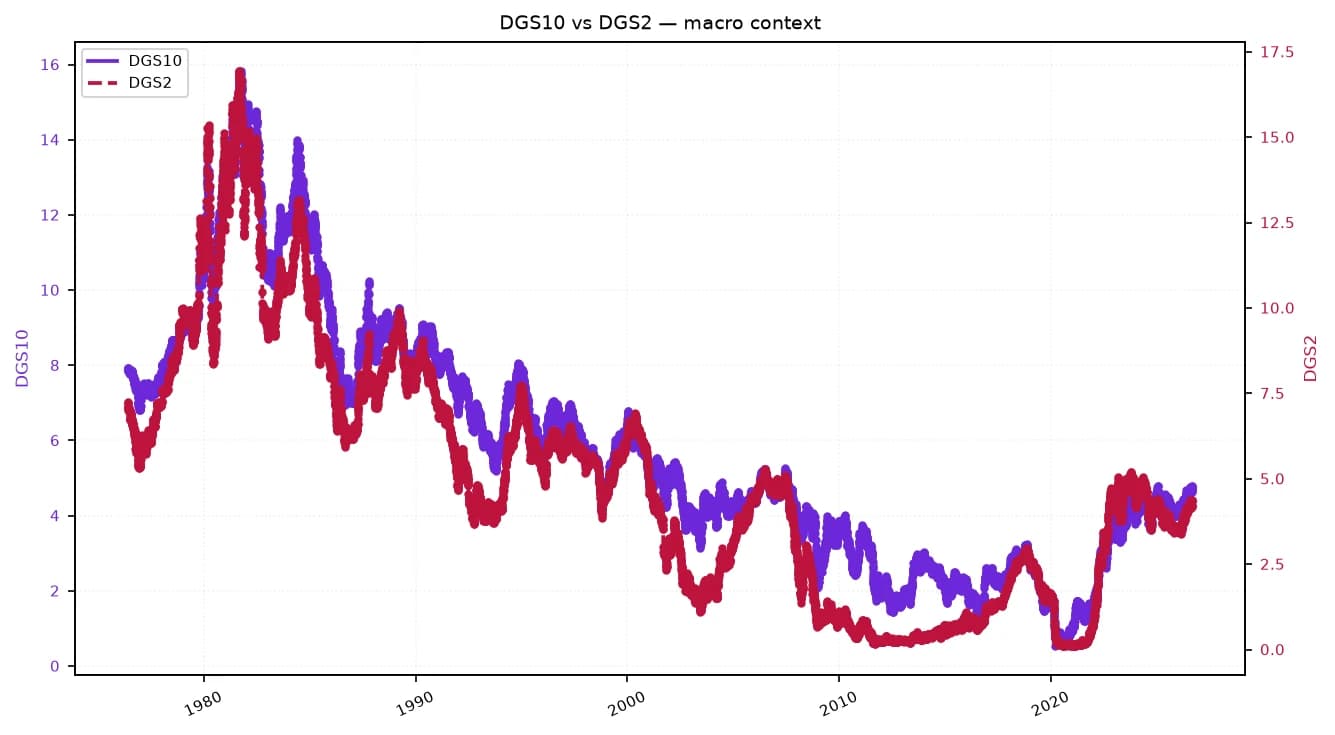
The U.S. 10-year Treasury yield is at 4.79%, near a two-decade high, while the 2-year sits at 4.39% and the curve has steepened to 0.43 percentage point. That keeps pressure on rate-sensitive assets and explains why long-duration equities, especially technology, have been more vulnerable than the broader market.
Sentiment IndicatorsⓘProprietary · adalytica.com · September 4, 2026
This is a snapshot — live sentiment, awareness and momentum for 130+ markets update continuously in the dashboard.Open AlphaPulse

The immediate market effect is visible in exchange-traded funds tracking the Treasury market. TLT, which holds long-dated U.S. government bonds, closed at 81.95, below its 50-day moving average of 83.1 and its 200-day average of 84.63. Adalytica’s U.S. Treasury Bonds Trade Signals shows “Extreme Fear,” with sentiment at 11 and the 30-day change at minus 82, underscoring how aggressively investors have been cutting bond exposure.
That matters economically because a bond crash can mean very different things. If yields are rising because inflation is reaccelerating or governments are seen as fiscally overextended, then the higher cost of capital can slow spending, squeeze margins and hit equities. If yields are climbing because private investment and real growth are improving, the effect is less damaging and can even support corporate earnings.
DGS10 vs DGS2 — macro contextadalytica.com
Explore this data interactively — full history, time series and cross-market comparisons.Open AlphaPulse

The current selloff spans the U.S., Japan, Germany, the U.K. and France, which makes it a global macro story rather than a local rates move. In Europe and Japan, where growth is weaker, higher yields are more likely to feed concerns about debt sustainability and policy credibility. In the U.S., by contrast, the case for stronger real yields is being supported by massive capital spending tied to AI infrastructure and data centers.
That distinction matters for stocks. In 2022, when inflation and tighter policy drove yields sharply higher, the S&P 500 fell about 15% and the Nasdaq dropped more than 20%. This month’s bond move has again hit tech hardest, but the broader U.S. equity market has not yet broken in the same way, suggesting investors still see some benefit from resilient growth.
The data also show that the move in Treasury yields is not just a short-term panic. The 10-year has climbed from 0.73% in March 2020 to 4.79% today, and the 2-year has risen to 4.39% from 1.70% in 2008. That is a regime shift, not a one-day shock, and it is reshaping valuation math for equities, real estate and leveraged credit.
For investors, the key question into the next Federal Reserve meeting is whether policymakers confirm the market’s inflation worries or reinforce the view that yields are rising for healthier reasons. A near-70% probability of another Fed hike is already reflected in pricing, leaving little room for a dovish surprise.
If bond losses keep spreading, the winners and losers should remain familiar: cash-generative value stocks, short-duration assets and some financials can benefit from higher yields, while long-duration tech, highly leveraged borrowers and bondholders take the hit. The next catalyst is the Fed, but the larger risk is that markets continue to trade not one story, but three at once.
| Entity | Gains | Losses |
|---|---|---|
| Value stocks | ▲Higher discount-rate resilience | ▼Less relative upside |
| Technology shares | ▲AI capex support for earnings | ▼Higher duration pressure |
| Bondholders | ▲— | ▼Capital losses from rising yields |
| Banks/financials | ▲Wider yield margins | ▼Credit stress if growth slows |