Treasury yields are climbing back into a zone that is squeezing the weakest US borrowers, and junk-bond investors are starting to price that pain in fast.
Treasury yields rise as junk bond spreads widen

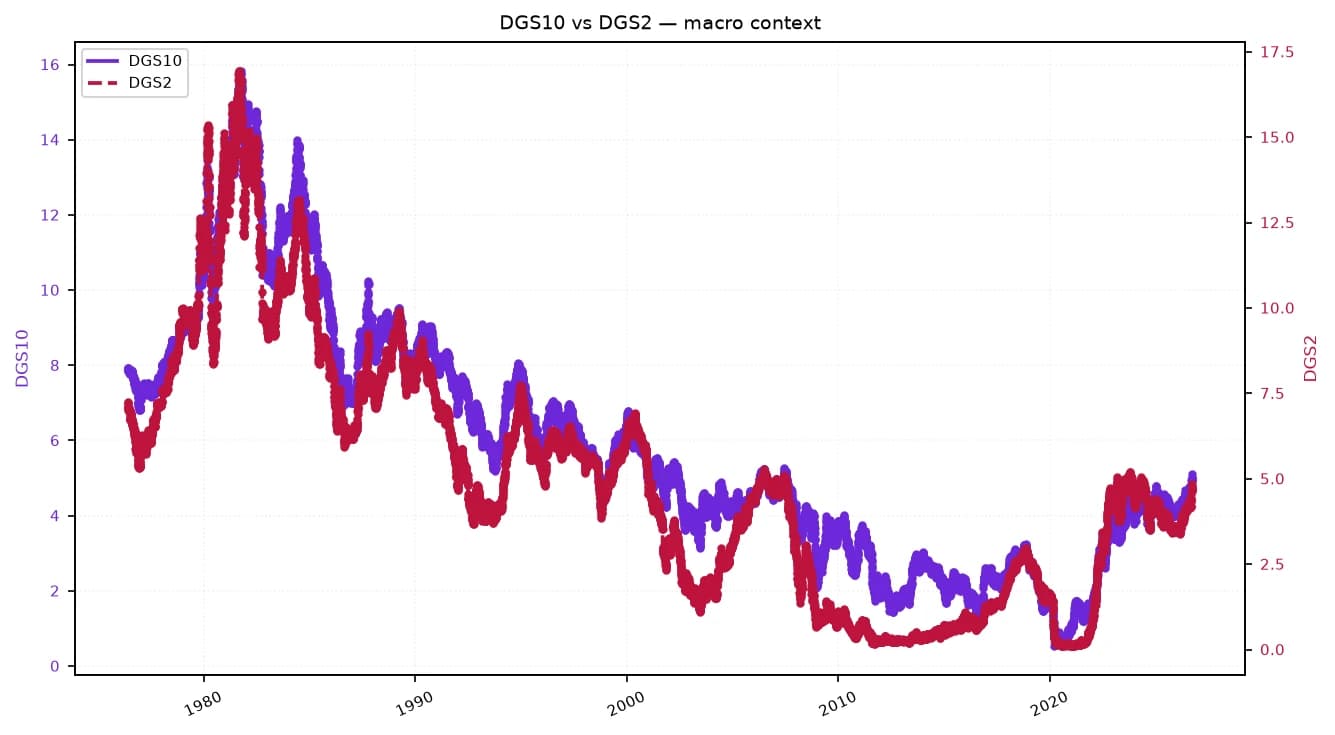
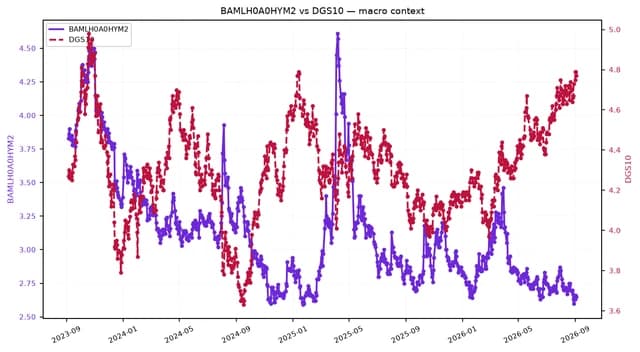
The gap between riskier corporate debt and Treasuries has widened to its highest level since the market upheaval that followed last year’s “liberation day” tariff shock, a sign that the sell-off in government bonds is no longer just a duration story. It is becoming a credit story. As the 10-year Treasury yield pushes toward 4.8% and the federal funds rate remains above 3.6%, the cost of refinancing is rising just as the market’s tolerance for low-quality balance sheets is fading.
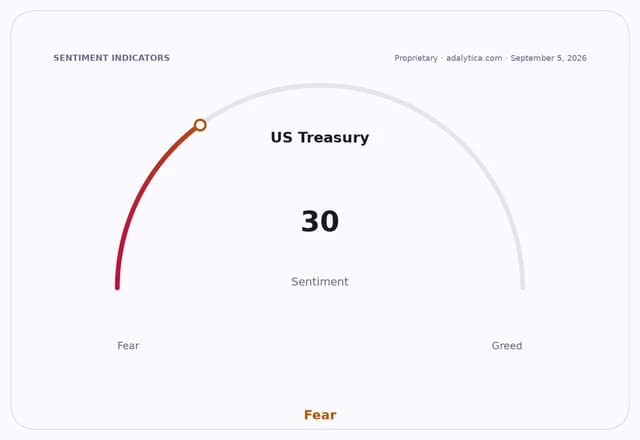
Sentiment IndicatorsⓘProprietary · adalytica.com · September 5, 2026
This is a snapshot — live sentiment, awareness and momentum for 130+ markets update continuously in the dashboard.Open AlphaPulse
That matters because junk debt is the canary in the macro coal mine. When Treasury yields move higher, the government is not the only borrower paying more. Highly levered companies, especially those at the weaker end of the speculative-grade spectrum, face a double hit: higher benchmark rates and wider spreads. The result is tighter financial conditions even if the Federal Reserve is not actively hiking. In practice, that means more expensive refinancing, more selective lending, and a higher probability of defaults or distressed exchanges over the next 12 months.
The pressure is showing up across high-yield exchange-traded funds. JNK and HYG have held up in price, but the underlying technical picture is more fragile than the headlines suggest. JNK is trading around $95.27, just above its 50-day average near $95.04, while HYG sits near $79.16, also only marginally above its 50-day line. That is not the kind of setup that usually accompanies a healthy risk appetite. Adalytica’s proprietary US Treasury Bonds Trade Signals snapshot is flashing “Fear,” while broader market sentiment remains only neutral, reinforcing the idea that investors are bracing for more volatility rather than chasing credit.
For investors, the message is not simply to avoid all high yield. It is to separate balance-sheet strength from balance-sheet fragility. The market is beginning to reward issuers with real cash flow, manageable maturities and pricing power, while punishing borrowers that rely on accommodative financing conditions to roll debt. That split creates opportunity. In a higher-for-longer rates regime, the winners are often the lenders, the asset managers, the senior-capital providers and the stronger BB-rated credits. The losers are the overlevered refinancers, especially in cyclical industries with little room to absorb a financing shock.
The broader narrative is that Treasury volatility is leaking into corporate credit just as the economy is losing some margin for error. If yields stay near current levels, the weakest issuers will not wait for a recession to feel recession-like pressure. That is why this spread move matters: it is an early warning that the next leg of the market may be less about earnings and more about funding conditions. For investors, that makes quality credit and short-duration positioning more attractive than reach-for-yield trades that depend on a benign rate backdrop.
| Entity | Gains | Losses |
|---|---|---|
| Treasury buyers / bond bulls | ▲Higher yields entry points | ▼Price losses, weak duration performance |
| Stronger high-yield issuers | ▲Better differentiation, easier access | ▼Limited if spreads keep widening |
| Weakest junk borrowers | ▲— | ▼Higher refinancing costs, default risk |
| Lenders and senior-credit investors | ▲Better spread income, improved terms | ▼Mark-to-market volatility |