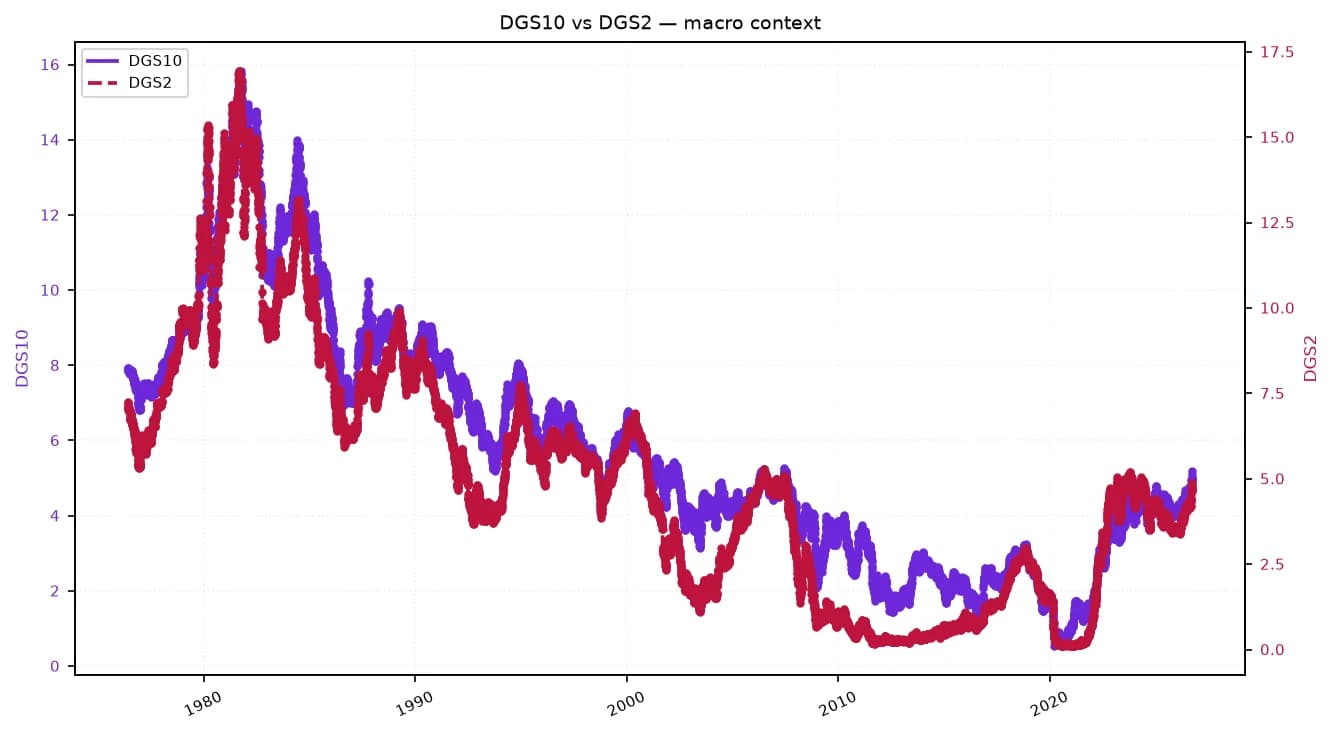
Treasury yields are back at levels that matter, with the 10-year note trading around 5.29% and the 2-year near 4.90%, and that is making short-duration debt funds look far more compelling for cautious investors.
Treasury Yields Near 5.3% Boost Short-Duration Funds
The immediate significance is simple: higher yields mean investors can finally earn real income again without taking on the same price risk that longer-maturity bonds carry. In plain English, the market is paying up for shorter-term lending while still punishing duration, which is why funds that own Treasury bills and other very short-dated instruments are drawing attention.
That matters economically because rising yields tighten financial conditions across the system. Governments borrow more expensively, companies face a higher hurdle for refinancing, and households eventually feel the pinch through mortgages and credit. The move also reflects a broader sell-off in global government bonds, as inflation worries and firm oil prices keep pressure on rates. When the yield curve shifts this way, cash-like products and short-duration funds usually become the first place investors look for stability and yield.
For investors, the appeal is not just higher income but lower sensitivity to rate moves. BIL, which tracks ultra-short Treasury exposure, has held near 91.41 and sits above its 200-day moving average, while SHY has steadied around 81.10 after a brief pullback. MINT, a short-term bond ETF with a broader mix of high-quality credit, is near 100.26 and remains above both its 50-day and 200-day averages. Those are not speculative setups; they are the kind of instruments conservative investors use when they want yield without betting heavily on duration.
DGS2 vs DGS10 — macro contextadalytica.com
Explore this data interactively — full history, time series and cross-market comparisons.Open AlphaPulse
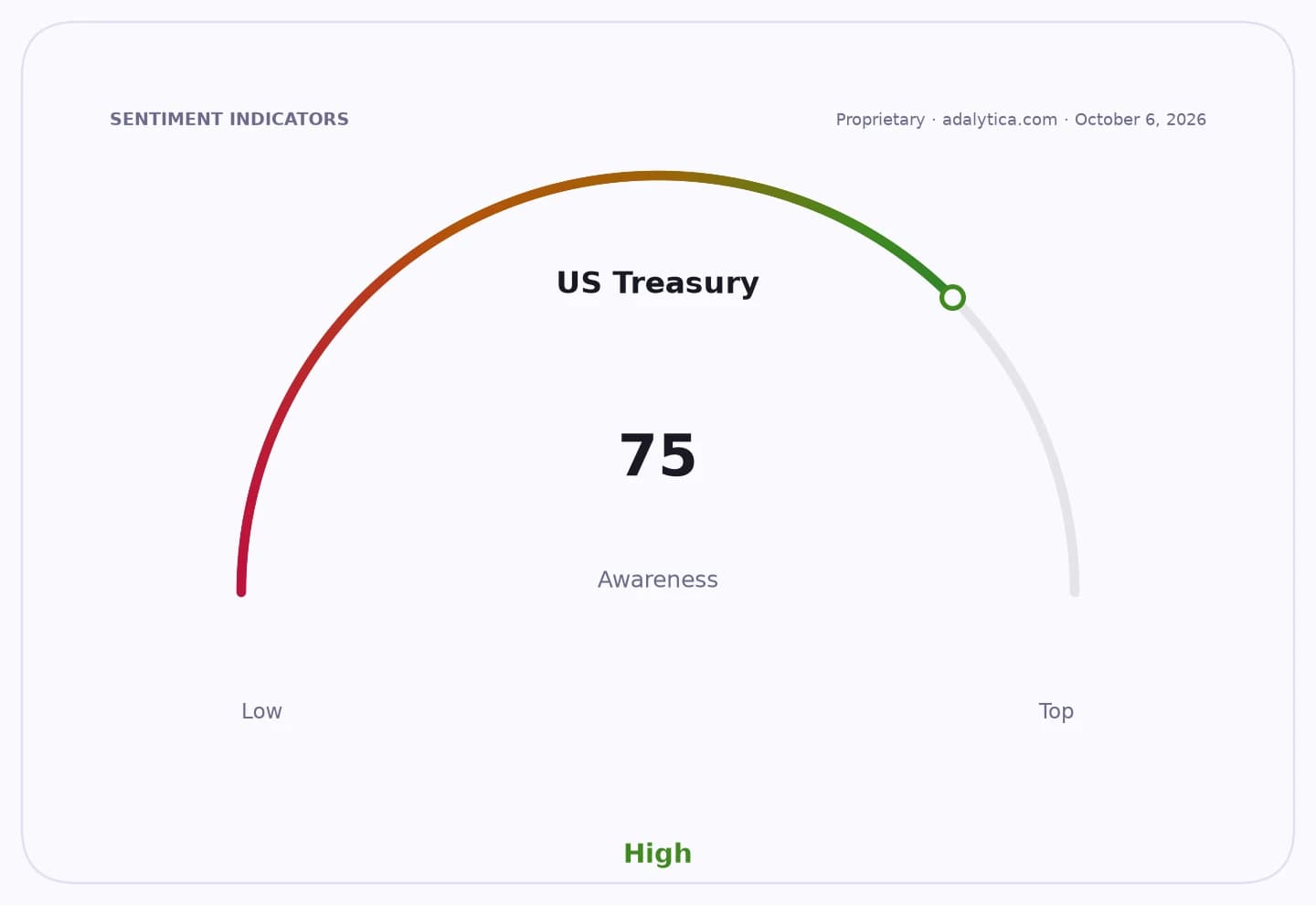
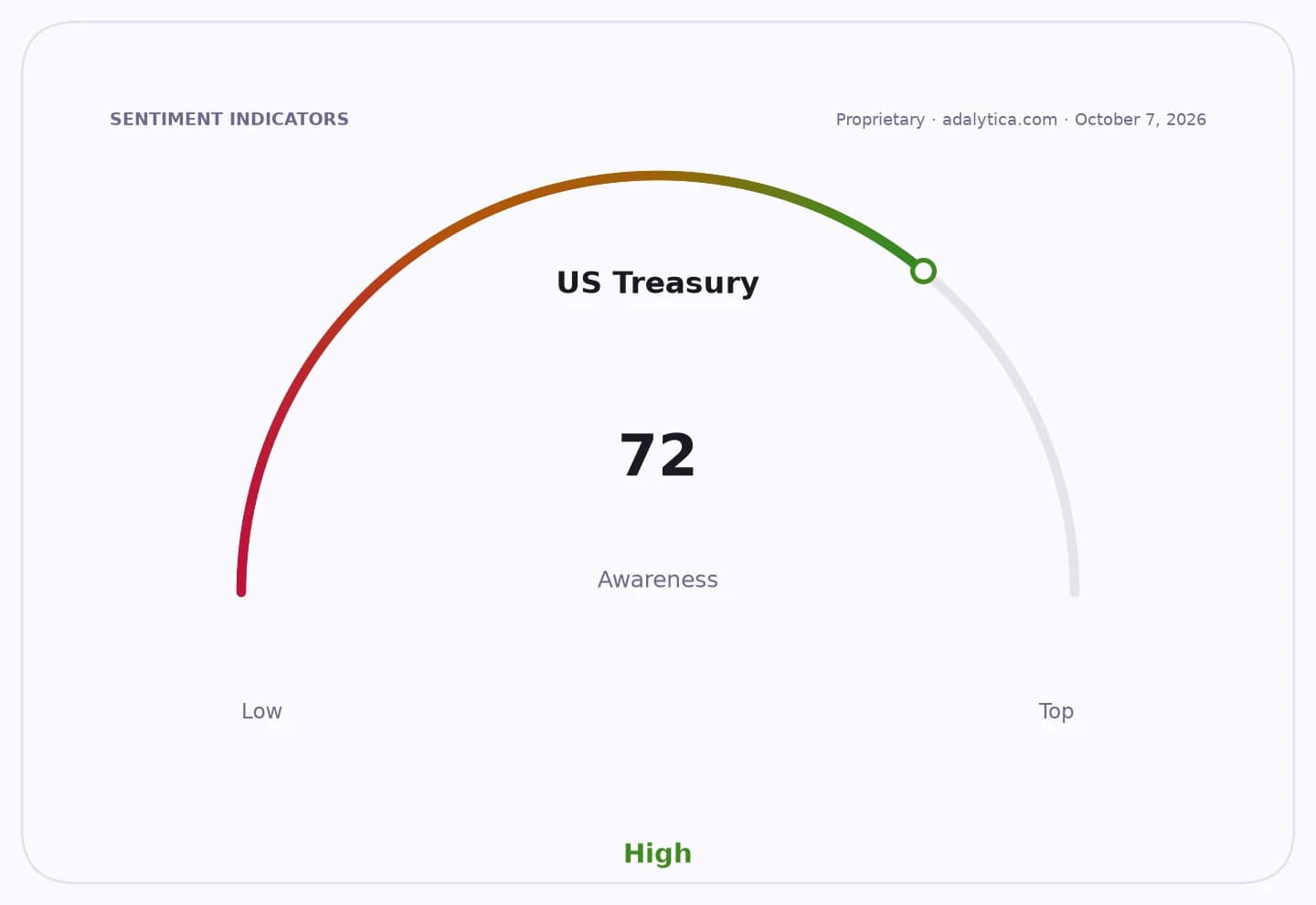
Adalytica’s Treasury bond trade signals also show how crowded the move has become. TLT sentiment is only neutral, but awareness is at an extreme-greed reading, a sign that investors are paying close attention to bond risk even if conviction is not one-sided. The U.S. dollar is flashing extreme fear in the same model, underscoring how quickly markets are repricing risk across asset classes.
The deeper narrative here is that the easy-money era is still behind us. If yields remain elevated, short-duration funds can keep offering a practical middle ground: more income than idle cash, less volatility than long bonds. They are not designed to make investors rich overnight. They are designed to protect capital, earn a decent return, and wait for a better entry point in duration.
For long-term investors, that makes them worth watching, especially if you want to park cash, smooth portfolio volatility, or build a bond allocation without making a big macro call. In a market like this, patience and diversification matter more than trying to outguess every move in rates.
| Entity | Gains | Losses |
|---|---|---|
| Short-duration bond funds | ▲Higher yield, lower duration risk | ▼Lower upside if rates fall |
| Cash-like Treasury ETFs | ▲Better income than cash | ▼Limited capital appreciation |
| Long-duration Treasury funds | ▲Potentially better returns if yields drop | ▼Mark-to-market pressure from rising yields |
| Borrowers and governments | ▲— | ▼Higher refinancing and funding costs |